
George Takei and his husband are giving their $21 million-plus estate to a museum; the Star Trek actor will preserve Japanese American stories


For George Takei , the Japanese American National Museum has been part of his life for more than four decades. Now, he and his husband, Brad Takei , have arranged for their estate, currently valued at more than $21 million, to go to the museum after their deaths, as reported by the Japanese American National Museum (JANM). The planned gift will support the institution that has preserved Japanese American history while also documenting Takei’s own experiences of wartime incarceration , activism and public life. Part of the museum’s renovated core exhibition will carry the couple’s names in recognition of their support. Their decision also extends a relationship that has already seen the Takeis give millions of dollars to JANM and place much of George Takei’s personal archive in its care.
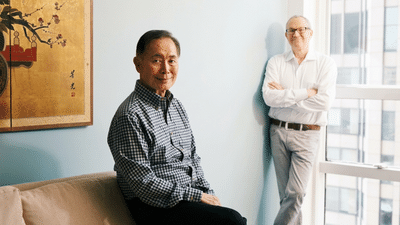
George and Brad Takei pledge their $21 million estate to JANM
The Takeis have pledged to leave their estate to the Japanese American National Museum as its sole beneficiary. The estate is currently valued at more than $21 million, according to the museum, and the planned bequest is intended to provide support well beyond their lifetimes.
Their connection with JANM goes back to the institution’s early years. Takei has been involved since the museum was founded in 1985 and became one of its founding trustees. He chaired its Board of Trustees between 2000 and 2004 and remains on the board.
Since 1989, George and Brad Takei have given $22.5 million to JANM, with the estate commitment included in that figure.
JANM names its new 9,200-square-foot gallery after the Takeis
The museum is recognising the couple’s support by naming its new 9,200-square-foot gallery after them. The gallery forms part of JANM’s redesigned core exhibition, In the Future We Call Now: Realities of Racism, Forging Democracy.
The exhibition draws together Japanese American history with material relating to racism, incarceration, democracy and civic participation.Images from his personal collection are used in several parts of the exhibition. One shows Takei with his kindergarten class at the Rohwer concentration camp in Arkansas, where he was incarcerated with his family during the Second World War. Another depicts his family at the Tule Lake Segregation Center.
There is also a photograph from George and Brad Takei’s wedding at JANM, linking the museum’s historical material with Takei’s later activism and public life.
George Takei donated a 175-foot archive to JANM in 2017
Takei was a child when his family was forced into the US wartime incarceration system. He spent time at Rohwer and later at Tule Lake, experiences that have shaped much of his work as an author and activist. Those memories have appeared in his graphic memoir They Called Us Enemy and his children’s book My Lost Freedom. They are also represented in the museum’s collections and exhibitions.
In 2017, Takei donated a large personal archive to JANM. The George Takei Collection covers more than 175 linear feet and contains photographs, letters, scripts, awards, campaign material and other objects from different periods of his life.
Some items are particularly connected to his family history. Among them is a sculpture made by Takei’s father while the family was held at Rohwer. The collection also contains the walking stick Takei used while climbing Mount Fuji and the Olympic torch he carried ahead of the 1984 Summer Olympic Games in Los Angeles. The archive became the basis for JANM’s 2017 exhibition New Frontiers: The Many Worlds of George Takei.
George Takei’s personal record helps illustrate Japanese American history
The museum has used Takei’s photographs to illustrate several different periods and themes. In the section dealing with life inside the camps, his kindergarten photograph helps show how schools were established for children within the ten incarceration sites.
The material concerning Tule Lake places the Takei family within the larger experience of Japanese American families who were sent there. Elsewhere, his later work is used to explore how Japanese Americans have participated in public life and activism.
Takei also wrote the foreword for the catalogue accompanying the new exhibition. His relationship with the museum extends beyond donations and governance, and his own historical record has become part of the material through which visitors encounter that history.
JANM’s new StoryFiles preserve wartime memories
JANM is also preparing a new way for visitors to hear directly from people who experienced the wartime camps. In March 2026, the museum previewed four new interactive StoryFiles featuring Takei and three other Japanese Americans who were incarcerated during the war.
The StoryFiles were created from hours of recorded interviews. Visitors can interact with the digital presentations in a format designed to resemble a conversation, allowing personal accounts to sit alongside the museum’s physical collections.
Takei’s StoryFile was produced by JANM and the National Japanese American Memorial Foundation, with the project created alongside the nonprofit Japanese American Stories. The Freeman Foundation supports the project, while Joanne Watanabe Erceg supports the StoryFile of George Takei.
When JANM reopens on January 23, 2027, the new StoryFiles will be housed in the Hirasaki National Resource Center and Weingart Foundation Foyer. The StoryFile of Lawson Ichiro Sakai will also be presented there.
JANM’s $135 million campaign grows alongside redevelopment
The reopening will follow a renovation of the museum’s galleries, giving visitors new ways to encounter material covering Japanese American history. The Takei collection, his recorded testimony and the wider museum archive will sit within that expanded presentation.
For Takei and Brad, the estate pledge gives the museum a future financial connection to their lives as well as to the objects and stories George has already entrusted to it. The couple’s wedding photographs, George’s childhood records and his later work are already part of the museum’s interpretation of Japanese American history. The planned estate gift also comes as JANM’s wider fundraising effort has grown substantially. The Our Promise campaign has now raised $135 million, more than twice its original target.
George and Brad Takei pledge their $21 million estate to JANM
The Takeis have pledged to leave their estate to the Japanese American National Museum as its sole beneficiary. The estate is currently valued at more than $21 million, according to the museum, and the planned bequest is intended to provide support well beyond their lifetimes.
Their connection with JANM goes back to the institution’s early years. Takei has been involved since the museum was founded in 1985 and became one of its founding trustees. He chaired its Board of Trustees between 2000 and 2004 and remains on the board.
Since 1989, George and Brad Takei have given $22.5 million to JANM, with the estate commitment included in that figure.
JANM names its new 9,200-square-foot gallery after the Takeis
The museum is recognising the couple’s support by naming its new 9,200-square-foot gallery after them. The gallery forms part of JANM’s redesigned core exhibition, In the Future We Call Now: Realities of Racism, Forging Democracy.
The exhibition draws together Japanese American history with material relating to racism, incarceration, democracy and civic participation.Images from his personal collection are used in several parts of the exhibition. One shows Takei with his kindergarten class at the Rohwer concentration camp in Arkansas, where he was incarcerated with his family during the Second World War. Another depicts his family at the Tule Lake Segregation Center.
There is also a photograph from George and Brad Takei’s wedding at JANM, linking the museum’s historical material with Takei’s later activism and public life.
George Takei donated a 175-foot archive to JANM in 2017
Takei was a child when his family was forced into the US wartime incarceration system. He spent time at Rohwer and later at Tule Lake, experiences that have shaped much of his work as an author and activist. Those memories have appeared in his graphic memoir They Called Us Enemy and his children’s book My Lost Freedom. They are also represented in the museum’s collections and exhibitions.
In 2017, Takei donated a large personal archive to JANM. The George Takei Collection covers more than 175 linear feet and contains photographs, letters, scripts, awards, campaign material and other objects from different periods of his life.
Some items are particularly connected to his family history. Among them is a sculpture made by Takei’s father while the family was held at Rohwer. The collection also contains the walking stick Takei used while climbing Mount Fuji and the Olympic torch he carried ahead of the 1984 Summer Olympic Games in Los Angeles. The archive became the basis for JANM’s 2017 exhibition New Frontiers: The Many Worlds of George Takei.
George Takei’s personal record helps illustrate Japanese American history
The museum has used Takei’s photographs to illustrate several different periods and themes. In the section dealing with life inside the camps, his kindergarten photograph helps show how schools were established for children within the ten incarceration sites.
The material concerning Tule Lake places the Takei family within the larger experience of Japanese American families who were sent there. Elsewhere, his later work is used to explore how Japanese Americans have participated in public life and activism.
Takei also wrote the foreword for the catalogue accompanying the new exhibition. His relationship with the museum extends beyond donations and governance, and his own historical record has become part of the material through which visitors encounter that history.
JANM’s new StoryFiles preserve wartime memories
JANM is also preparing a new way for visitors to hear directly from people who experienced the wartime camps. In March 2026, the museum previewed four new interactive StoryFiles featuring Takei and three other Japanese Americans who were incarcerated during the war.
The StoryFiles were created from hours of recorded interviews. Visitors can interact with the digital presentations in a format designed to resemble a conversation, allowing personal accounts to sit alongside the museum’s physical collections.
Takei’s StoryFile was produced by JANM and the National Japanese American Memorial Foundation, with the project created alongside the nonprofit Japanese American Stories. The Freeman Foundation supports the project, while Joanne Watanabe Erceg supports the StoryFile of George Takei.
When JANM reopens on January 23, 2027, the new StoryFiles will be housed in the Hirasaki National Resource Center and Weingart Foundation Foyer. The StoryFile of Lawson Ichiro Sakai will also be presented there.
JANM’s $135 million campaign grows alongside redevelopment
The reopening will follow a renovation of the museum’s galleries, giving visitors new ways to encounter material covering Japanese American history. The Takei collection, his recorded testimony and the wider museum archive will sit within that expanded presentation.
For Takei and Brad, the estate pledge gives the museum a future financial connection to their lives as well as to the objects and stories George has already entrusted to it. The couple’s wedding photographs, George’s childhood records and his later work are already part of the museum’s interpretation of Japanese American history. The planned estate gift also comes as JANM’s wider fundraising effort has grown substantially. The Our Promise campaign has now raised $135 million, more than twice its original target.
Next Story