
Houthi Attack In The Red Sea: How a Regional Conflict Disrupted World Trade

The red sea is one of the world’s most vital maritime areas, which sadly has become a focal point for geopolitical tension due to a series of attacks carried out by Yemen’s militant group, the Houthis .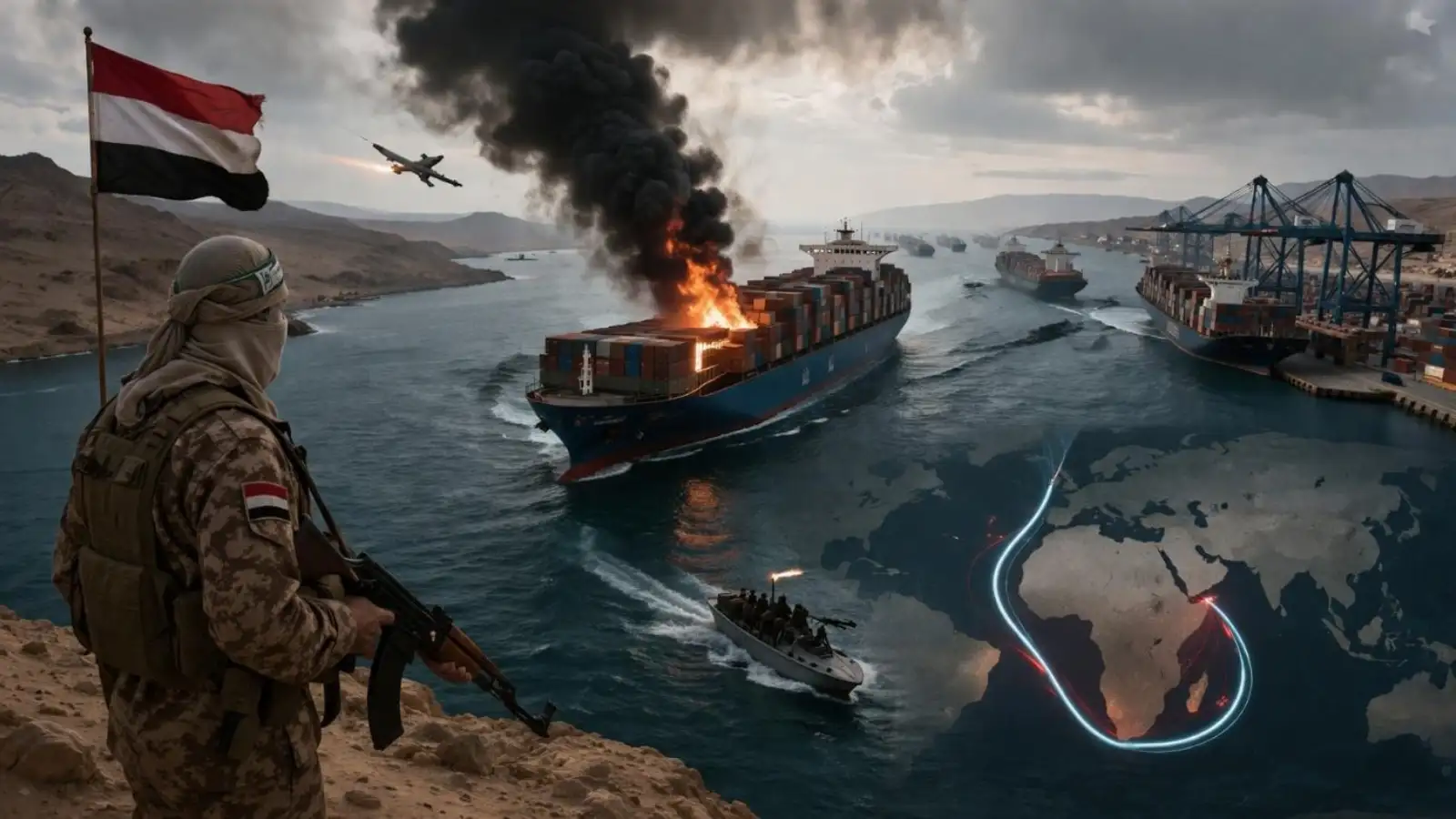
These incidents, which intensified in late 2023 and become a major concern by 2026, have disrupted global shipping and escalated many conflicts. This situation shows the ripple effect of geopolitics and how a small regional conflict can have a large scale impact on world trade.
Background
The Houthis, officially known as Ansar Allah are a Yemen based armed militant group that started back in the 1990s. They gained international attention after seizing Yemen’s capital Sana’a, in 2014 leading to a long civil war. Backed politically and, according to some sources militarily too by Iran, the Houthis have stood their ground against the west and regional rivals like Saudi Arabia.
Their involvement in the red sea was closely linked to the various Middle East conflicts especially the Israel Gaza war. The Houthis claim that they are with Palestine and that is why they target ships which they believe are tied to Israel.
Ongoing involvement
The Houthis have formally entered the ongoing Iran war by launching ballistic attacks on Israel for the first time. They have also claimed multiple coordinated strikes with Iran and Hezbollah, signalling the widely speculated military connection and bringing it out in the open. As of April 1ST they have claimed three ballistic missile attacks, indicating their sustainable involvement.
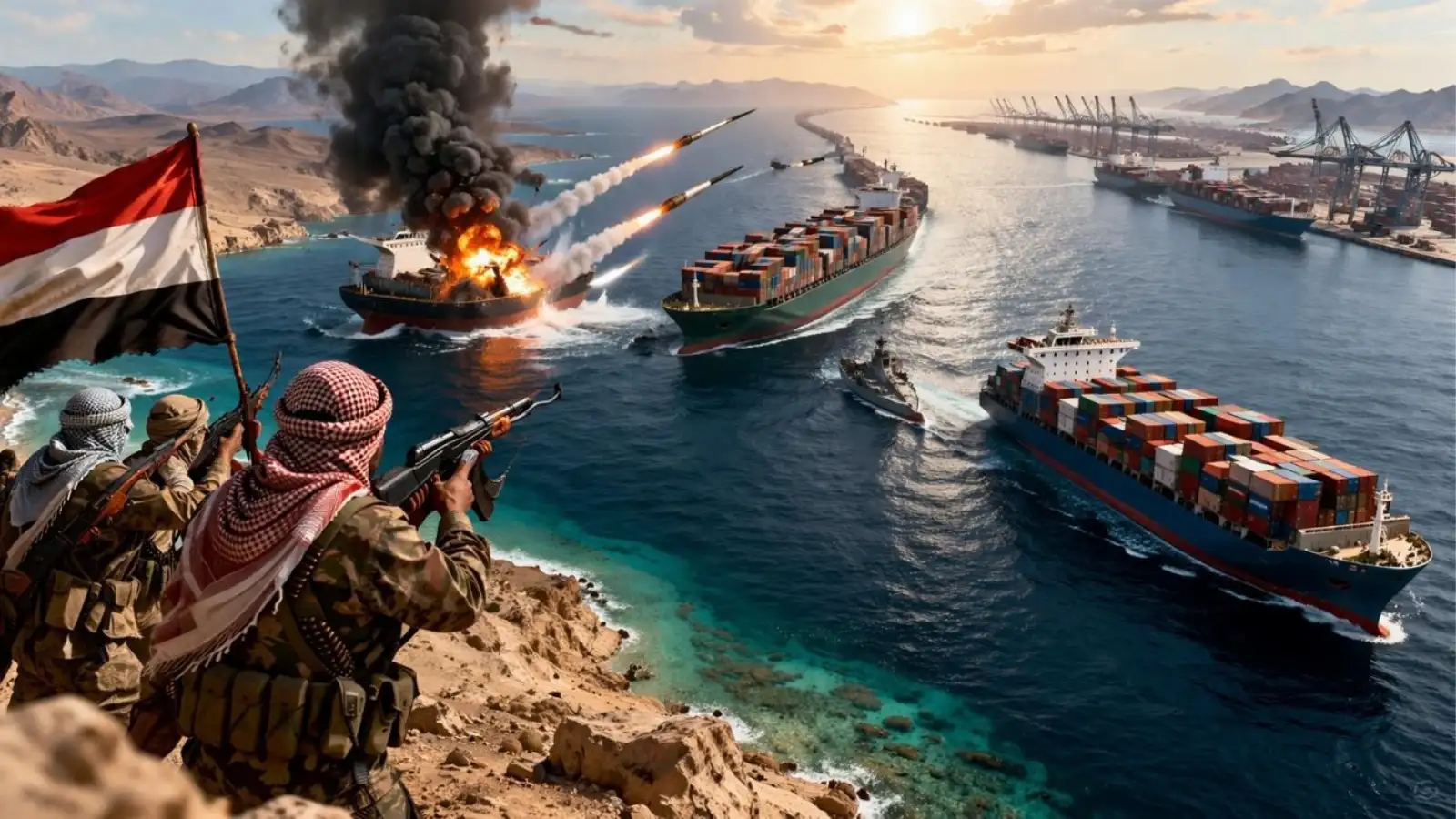
These incidents, which intensified in late 2023 and become a major concern by 2026, have disrupted global shipping and escalated many conflicts. This situation shows the ripple effect of geopolitics and how a small regional conflict can have a large scale impact on world trade.
Background
The Houthis, officially known as Ansar Allah are a Yemen based armed militant group that started back in the 1990s. They gained international attention after seizing Yemen’s capital Sana’a, in 2014 leading to a long civil war. Backed politically and, according to some sources militarily too by Iran, the Houthis have stood their ground against the west and regional rivals like Saudi Arabia.You may also like
- 'Who could blame her?' Megyn Kelly says Kristi Noem's affair seems 'noble' after husband's secret life revealed but...
- 'Iran has asked for ceasefire': Trump claims new regime 'less radical', says no deal till Hormuz is free
- Russian Deputy PM to hold talks with NSA Doval, EAM Jaishankar and FM Sitharaman on Thursday
- Who is Sandhu Ponnachan? Indian national charged after seven injured in Derby car ramming
- How China's deepest sinkhole formed its own microclimates
Their involvement in the red sea was closely linked to the various Middle East conflicts especially the Israel Gaza war. The Houthis claim that they are with Palestine and that is why they target ships which they believe are tied to Israel.
Ongoing involvement
The Houthis have formally entered the ongoing Iran war by launching ballistic attacks on Israel for the first time. They have also claimed multiple coordinated strikes with Iran and Hezbollah, signalling the widely speculated military connection and bringing it out in the open. As of April 1ST they have claimed three ballistic missile attacks, indicating their sustainable involvement.Renewed threat to Red Sea
Experts warn that the Houthis can resume attacks on the Red Sea route, especially the Bab el-Mandeb Strait, a critical global trade chokepoint. The group has previously disrupted shipping and is now threatening to open a “second maritime front”. Intelligence reports suggest that the earlier attacks caused a 90% drop in container shipping through the Red Sea during peak tension and therefore there is high risk of oil trade especially in Asia and Africa again after the Strait of Hormuz scare which to some extent has still not fully recovered.Oil market shock
Analysts warn of a potential oil shock if Red Sea routes are hit alongside the ongoing disruption in Strait of Hormuz and Saudi Arabia has already rerouted their ships to the Red Sea and now even that route is at risk. Oil barrels are already at sky high prices and any disruption here can push barrel prices even more.Edge of escalation?
While capable of major disruptions, analysts believe the Houthis would not shutdown the Red Sea due to fear of direct U.S military retaliation. However, they have made it clear that they are ready to escalate if Iran faces greater military pressure. Let us see what happens.





More from our partners


Loving Newspoint? Download the app now
