
How Wolves Coordinate Pack Hunting With Precision, Strategy And Remarkable Communication

Strength In Numbers How Wolves Use Teamwork And Strategy To Bring Down Large Prey: In the wild, survival often depends on intelligence, cooperation and timing. Few predators demonstrate these qualities as effectively as wolves. Rather than relying solely on individual strength, wolves depend on coordinated teamwork when hunting. Their pack-based hunting system allows them to track, pursue and capture prey much larger than themselves. This highly organised method has evolved over thousands of years, making wolves some of the most efficient hunters in the natural world. By working together, communicating through signals and understanding each member’s role, wolf packs dramatically increase their chances of success while conserving valuable energy.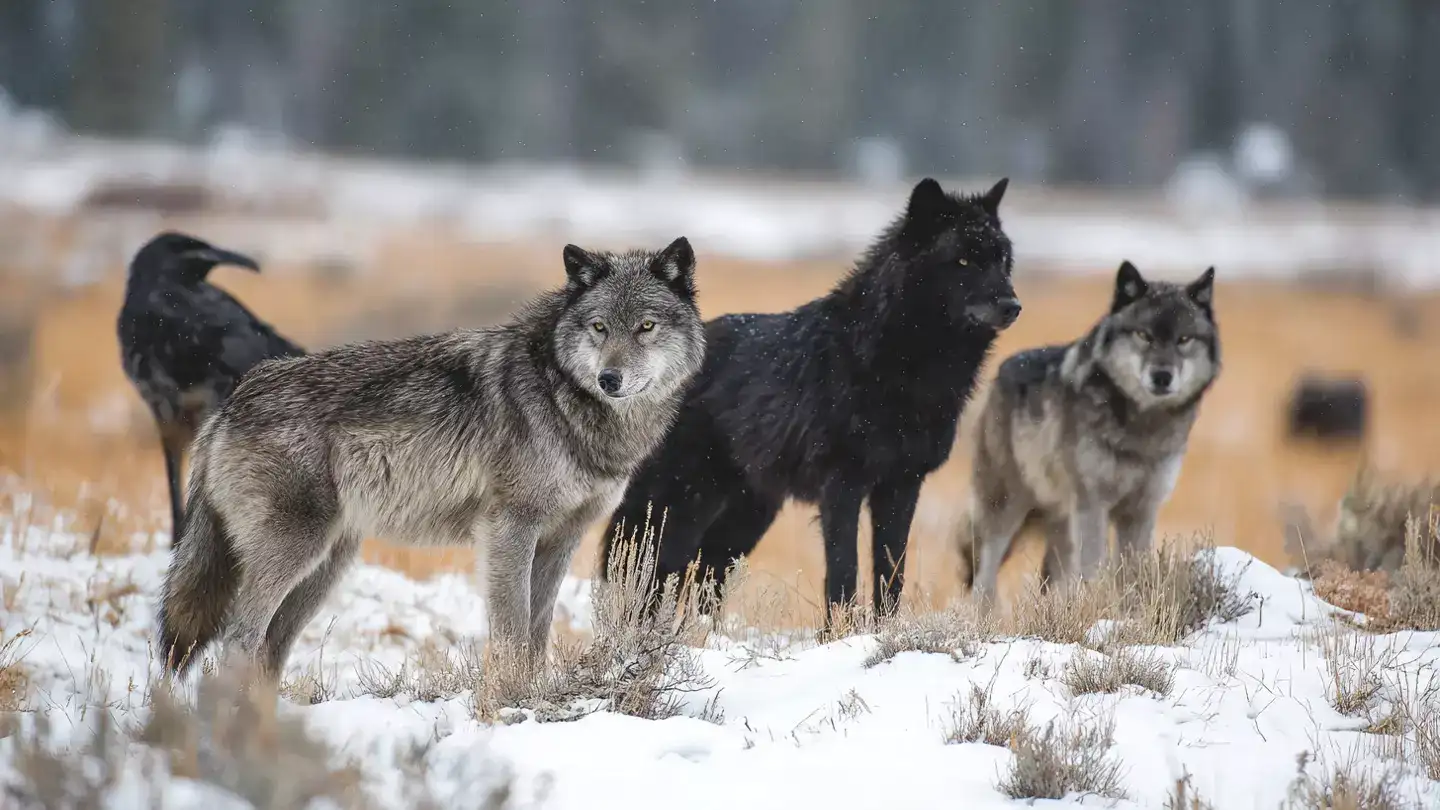
Large prey animals such as deer, elk or moose are often too powerful for a single wolf to take down. By hunting in packs, wolves can surround, exhaust and eventually overpower these animals. Each wolf contributes to the hunt, making the process more efficient and safer for the group.
Pack hunting also allows wolves to cover larger territories when searching for food. While one wolf might struggle to track prey over long distances, a group can cooperate to detect scents, follow tracks and maintain pursuit for extended periods.
Once prey is identified, the pack begins to observe and assess the herd. Wolves rarely attack immediately. Instead, they study the group carefully, looking for vulnerable targets such as injured, young or weak animals. Targeting these individuals reduces risk and increases the likelihood of a successful hunt.
This phase demonstrates how wolves rely on patience and intelligence rather than reckless aggression. By selecting the right target, the pack avoids unnecessary injuries and conserves energy.
Some wolves take the lead in chasing the prey, pushing it away from the safety of the herd. Others position themselves strategically to block escape routes or force the animal to run in a specific direction. This coordination allows the pack to isolate the target from the group.
Wolves are also known for their remarkable endurance. They can pursue prey over long distances, gradually tiring it out. While a single wolf might become exhausted quickly, the pack can maintain pressure by alternating roles during the chase.
While loud howling is often associated with wolves, it is rarely used during an active hunt because it could alert prey. Instead, wolves communicate quietly and rely on visual cues to stay synchronised.
This silent coordination allows the pack to adjust strategies instantly. For example, if the prey changes direction, wolves quickly reposition themselves to maintain the chase.
The goal is to slow the prey down further until it can no longer escape. Once the animal collapses or loses strength, the pack delivers the final attack.
Despite their reputation as fierce predators, wolves generally aim to end the hunt as quickly as possible to avoid injury. A wounded wolf may struggle to survive in the wild, so efficiency and caution are essential.
Interestingly, wolves also demonstrate cooperative behaviour even after the hunt. Adult wolves may carry food back to pups waiting at the den by regurgitating partially digested meat. This ensures that younger members of the pack receive nourishment even if they did not participate in the hunt.
Such behaviour highlights the strong social bonds that exist within wolf packs. Hunting is not only about survival for individuals but about sustaining the entire group.
The hunting strategies of wolves illustrate how intelligence and cooperation can be more powerful than individual strength. Their ability to plan, communicate and work as a team allows them to thrive in challenging environments. Through pack hunting, wolves have developed one of the most sophisticated survival systems found in the animal kingdom, proving that in nature, teamwork often determines success.
Image Courtesy: Meta AI
Why Wolves Hunt In Packs
Unlike solitary predators, wolves typically live and hunt as part of a structured social group known as a pack. A pack usually consists of a breeding pair, their offspring and sometimes other related wolves. Hunting together offers several advantages that would be difficult to achieve alone.Large prey animals such as deer, elk or moose are often too powerful for a single wolf to take down. By hunting in packs, wolves can surround, exhaust and eventually overpower these animals. Each wolf contributes to the hunt, making the process more efficient and safer for the group.
Pack hunting also allows wolves to cover larger territories when searching for food. While one wolf might struggle to track prey over long distances, a group can cooperate to detect scents, follow tracks and maintain pursuit for extended periods.
The Planning Stage Of A Hunt
Before a hunt even begins, wolves rely heavily on their senses and awareness of the environment. Their excellent sense of smell helps them detect prey from long distances, while sharp hearing and strong eyesight assist in locating movement.Once prey is identified, the pack begins to observe and assess the herd. Wolves rarely attack immediately. Instead, they study the group carefully, looking for vulnerable targets such as injured, young or weak animals. Targeting these individuals reduces risk and increases the likelihood of a successful hunt.
This phase demonstrates how wolves rely on patience and intelligence rather than reckless aggression. By selecting the right target, the pack avoids unnecessary injuries and conserves energy.
Coordinated Chase And Teamwork
After identifying a suitable target, the pack initiates the chase. At this stage, teamwork becomes crucial. Wolves often spread out to control the movement of the prey and prevent it from escaping easily.Some wolves take the lead in chasing the prey, pushing it away from the safety of the herd. Others position themselves strategically to block escape routes or force the animal to run in a specific direction. This coordination allows the pack to isolate the target from the group.
Wolves are also known for their remarkable endurance. They can pursue prey over long distances, gradually tiring it out. While a single wolf might become exhausted quickly, the pack can maintain pressure by alternating roles during the chase.
Communication During The Hunt
Successful pack hunting relies heavily on communication. Wolves use a variety of signals to coordinate their actions while pursuing prey. These signals include body language, facial expressions, tail movements and subtle vocal sounds.While loud howling is often associated with wolves, it is rarely used during an active hunt because it could alert prey. Instead, wolves communicate quietly and rely on visual cues to stay synchronised.
This silent coordination allows the pack to adjust strategies instantly. For example, if the prey changes direction, wolves quickly reposition themselves to maintain the chase.
The Final Attack
As the prey becomes exhausted, the wolves move closer and begin the final phase of the hunt. Several wolves may attempt to grab the animal from different angles, typically targeting vulnerable areas such as the legs or flanks.You may also like
- Israel–US strikes on Iran enter 10th day; death toll crosses 1,500
- Security deployment, curfew expose governance crisis in PoGB
- Pakistan: Section 144 imposed in Dera Ismail Khan amid worsening law and order situation
- Israel unlawfully using white phosphorus in Lebanon: Rights watch
- 12 years after MH370 vanished, new search still finds nothing
The goal is to slow the prey down further until it can no longer escape. Once the animal collapses or loses strength, the pack delivers the final attack.
Despite their reputation as fierce predators, wolves generally aim to end the hunt as quickly as possible to avoid injury. A wounded wolf may struggle to survive in the wild, so efficiency and caution are essential.
Sharing The Reward Within The Pack
After a successful hunt, the pack gathers to feed. Feeding order often reflects the pack’s social structure. The breeding pair usually eats first, followed by other adult members and younger wolves.Interestingly, wolves also demonstrate cooperative behaviour even after the hunt. Adult wolves may carry food back to pups waiting at the den by regurgitating partially digested meat. This ensures that younger members of the pack receive nourishment even if they did not participate in the hunt.
Such behaviour highlights the strong social bonds that exist within wolf packs. Hunting is not only about survival for individuals but about sustaining the entire group.
The hunting strategies of wolves illustrate how intelligence and cooperation can be more powerful than individual strength. Their ability to plan, communicate and work as a team allows them to thrive in challenging environments. Through pack hunting, wolves have developed one of the most sophisticated survival systems found in the animal kingdom, proving that in nature, teamwork often determines success.
Image Courtesy: Meta AI






More from our partners


Loving Newspoint? Download the app now
