
Hundreds of residents protested after diggers began transforming a Hertfordshire field without planning permission; a High Court injunction and police intervention forced work to stop


Hundreds of residents in Sawbridgeworth, Hertfordshire, gathered to protest after heavy machinery began clearing and altering a wildlife-rich field without planning permission. The activity on land off Sheering Mill Lane triggered concern among residents, who feared damage to the area's natural environment and its role as a floodplain. East Herts Council moved to stop the work through legal action over the bank holiday weekend. After an initial court order failed to halt activity, an amended High Court injunction gave police the power to arrest those continuing prohibited work, bringing the operation to an end on Monday, 31 August 2026.
Hertfordshire field protests prompt urgent High Court action
According to the BBC, residents living near Sheering Mill Lane discovered lorries and construction equipment arriving at the field on Saturday, 29 August. Diggers were reportedly tearing up the ground while truckloads of material were being brought to the site. The land had no planning permission for development, prompting East Herts Council to begin enforcement action.
The Independent reported that heavy machinery and diggers had been brought onto the land on Friday afternoon, sparking concern in the town. The activity appeared to involve preparations for an encampment, with fencing and materials being delivered.
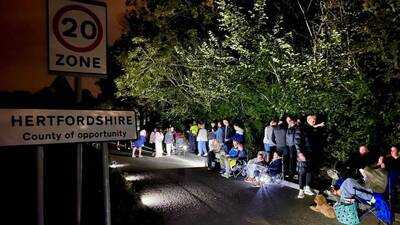
Residents quickly organised peaceful protests to draw attention to what was happening. Photographs shared on social media showed people sitting on camp chairs near the site, maintaining a visible presence while the council pursued legal measures. BBC coverage put the number of protesters at up to 400 during the weekend.
Why did residents fear damage to the wildlife spot
The field was valued by local people for its wildlife and natural landscape. Residents told the BBC that muntjac deer regularly visited the area and that it supported a rich ecosystem. Some were particularly worried about the field's function as a floodplain.
Amy Panter, a nearby resident quoted by the BBC, said she feared her home could be at risk of flooding if the land no longer served its natural purpose. Wildlife photographer Nigel Blake also described his distress at seeing the field damaged, saying he knew the place intimately.
The Independent reported that the disruption to the floodplain caused widespread concern because of its natural wildlife value. Local independent councillor Greg Rattey said the community was deeply troubled by the changes being made to the land.
Labour MP Josh Dean also raised concerns about the site. He contacted East Herts Council, Hertfordshire Police and the Environment Agency , pointing out that the land was owned by those undertaking the work but did not have planning permission. He also highlighted its floodplain and wildlife habitats.
How did the council try to stop the development
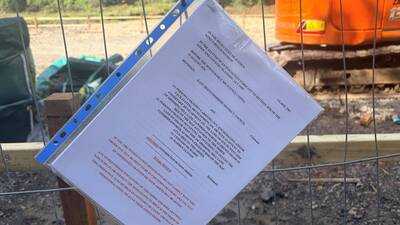
East Herts Council said in its official statement on 31 August that it became aware of the works early on Saturday after receiving reports from residents. It served a Temporary Stop Notice at approximately 10.45am that day, requiring the activity to stop.
The council then applied urgently to the High Court for an injunction. According to its published account, the first injunction was secured and served at approximately 10.30pm on Saturday, 29 August. The order temporarily prevented further development, the bringing of caravans on to the land and occupation of the site.
However, the BBC reported that diggers were still being used on Sunday, despite the court order. The council therefore sought further urgent action, asking the court to consider whether the injunction had been breached and what additional measures were needed.
This second legal step proved decisive. The amended injunction was granted and served shortly after midnight on Monday, 31 August. It allowed police to arrest anyone found undertaking activities prohibited by the order, including bringing caravans on to the site or occupying the land for development.
Police intervention brought the work to an end
The BBC reported that around a dozen police officers entered the site shortly before 9am on Monday after the amended injunction had been issued. Vehicles and machinery were subsequently seen leaving, while protesters clapped and cheered as the first vans and diggers departed at approximately 9.30am.
East Herts Council confirmed that everyone who had gained unauthorised access to the site left peacefully. Hertfordshire Police also said that no arrests were necessary, despite the new powers available under the court order.
The Independent reported that the area was cleared on Bank Holiday Monday following the injunction. Residents who had spent much of the weekend keeping watch and protesting saw the machinery and occupants leave after several days of uncertainty.
What happens to the land after the injunction
The immediate halt to construction did not resolve the wider dispute over the condition of the field. East Herts Council subsequently confirmed that the legal restrictions would remain in place while the case continued.
At a hearing on 15 September, the High Court continued the injunction, including its powers of arrest, to prevent further unauthorised activity. The council's announcement said the order would remain effective pending a trial unless the defendants successfully applied to have it changed.
The council also served an enforcement notice requiring the landowners to restore the site to its previous condition. According to its update, one landowner was due to receive access from 21 September to begin restoration work, while the owners of another section appealed against the enforcement notice.
The appeal is scheduled to be considered at a public inquiry beginning on 26 January 2027. The Planning Inspectorate expects the inquiry to last 3 days, with a decision anticipated by 26 April 2027.
Hertfordshire field protests prompt urgent High Court action
According to the BBC, residents living near Sheering Mill Lane discovered lorries and construction equipment arriving at the field on Saturday, 29 August. Diggers were reportedly tearing up the ground while truckloads of material were being brought to the site. The land had no planning permission for development, prompting East Herts Council to begin enforcement action.
The Independent reported that heavy machinery and diggers had been brought onto the land on Friday afternoon, sparking concern in the town. The activity appeared to involve preparations for an encampment, with fencing and materials being delivered.
Residents quickly organised peaceful protests to draw attention to what was happening. Photographs shared on social media showed people sitting on camp chairs near the site, maintaining a visible presence while the council pursued legal measures. BBC coverage put the number of protesters at up to 400 during the weekend.
Why did residents fear damage to the wildlife spot
The field was valued by local people for its wildlife and natural landscape. Residents told the BBC that muntjac deer regularly visited the area and that it supported a rich ecosystem. Some were particularly worried about the field's function as a floodplain.
Amy Panter, a nearby resident quoted by the BBC, said she feared her home could be at risk of flooding if the land no longer served its natural purpose. Wildlife photographer Nigel Blake also described his distress at seeing the field damaged, saying he knew the place intimately.
The Independent reported that the disruption to the floodplain caused widespread concern because of its natural wildlife value. Local independent councillor Greg Rattey said the community was deeply troubled by the changes being made to the land.
Labour MP Josh Dean also raised concerns about the site. He contacted East Herts Council, Hertfordshire Police and the Environment Agency , pointing out that the land was owned by those undertaking the work but did not have planning permission. He also highlighted its floodplain and wildlife habitats.
How did the council try to stop the development
East Herts Council said in its official statement on 31 August that it became aware of the works early on Saturday after receiving reports from residents. It served a Temporary Stop Notice at approximately 10.45am that day, requiring the activity to stop.
The council then applied urgently to the High Court for an injunction. According to its published account, the first injunction was secured and served at approximately 10.30pm on Saturday, 29 August. The order temporarily prevented further development, the bringing of caravans on to the land and occupation of the site.
However, the BBC reported that diggers were still being used on Sunday, despite the court order. The council therefore sought further urgent action, asking the court to consider whether the injunction had been breached and what additional measures were needed.
This second legal step proved decisive. The amended injunction was granted and served shortly after midnight on Monday, 31 August. It allowed police to arrest anyone found undertaking activities prohibited by the order, including bringing caravans on to the site or occupying the land for development.
Police intervention brought the work to an end
The BBC reported that around a dozen police officers entered the site shortly before 9am on Monday after the amended injunction had been issued. Vehicles and machinery were subsequently seen leaving, while protesters clapped and cheered as the first vans and diggers departed at approximately 9.30am.
East Herts Council confirmed that everyone who had gained unauthorised access to the site left peacefully. Hertfordshire Police also said that no arrests were necessary, despite the new powers available under the court order.
The Independent reported that the area was cleared on Bank Holiday Monday following the injunction. Residents who had spent much of the weekend keeping watch and protesting saw the machinery and occupants leave after several days of uncertainty.
What happens to the land after the injunction
The immediate halt to construction did not resolve the wider dispute over the condition of the field. East Herts Council subsequently confirmed that the legal restrictions would remain in place while the case continued.
At a hearing on 15 September, the High Court continued the injunction, including its powers of arrest, to prevent further unauthorised activity. The council's announcement said the order would remain effective pending a trial unless the defendants successfully applied to have it changed.
The council also served an enforcement notice requiring the landowners to restore the site to its previous condition. According to its update, one landowner was due to receive access from 21 September to begin restoration work, while the owners of another section appealed against the enforcement notice.
The appeal is scheduled to be considered at a public inquiry beginning on 26 January 2027. The Planning Inspectorate expects the inquiry to last 3 days, with a decision anticipated by 26 April 2027.
Next Story