
100% US Film Tariff: What It Means for Indian Movies and Box Office Revenue

On 29 September, US President Donald Trump announced on his social media platform Truth Social that he would impose a 100 per cent tariff on all films made outside the United States. Trump claimed that foreign countries had “stolen” America’s movie-making business, likening it to “stealing candy from a baby,” and criticised California’s leadership for allowing Hollywood’s influence to decline. While Trump had made similar statements in May, the latest declaration directly links the issue to California’s economy and marks the first instance of a US administration proposing tariffs on digital entertainment. Traditionally, American trade policy has focused on tangible goods such as steel, automobiles, or electronics.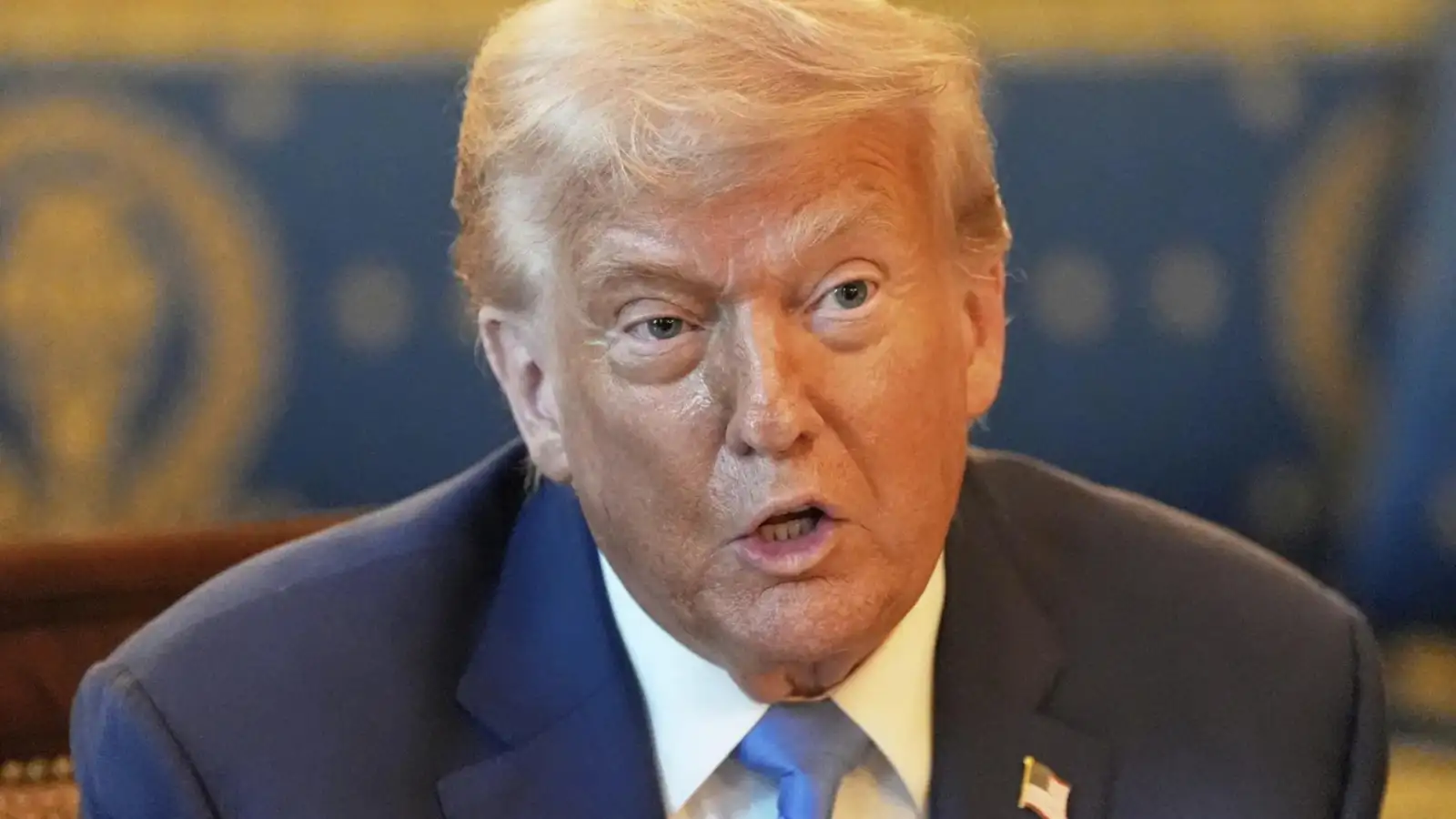
Recent successes illustrate this dependence. Kalki 2898 AD earned $18.3 million in the US, forming 14.5 per cent of its global revenue. Pathaan grossed nearly $18 million, Jawan earned $15.2 million, and RRR took $15.1 million in North America. Telugu films, in particular, rely heavily on US audiences, with premieres often timed around American holidays. Losing such a market would affect not only revenue streams but also film financing and distribution strategies.
Pradeep Dwivedi, CEO of Eros Media World, told Business Standard that overseas revenue is critical for budgeting big films. A sudden drop could force filmmakers to scale down, restructure, or even shelve projects. Independent films and festival releases might avoid the US market altogether. Filmmaker Priyanka Ghose told News18, “While very big films might still weather the storm, the rest of the industry would face difficult choices.”
The US Market: A Lifeline for Indian Cinema
For Indian films, the United States has become a crucial overseas market due to its large South Asian diaspora and consistent appetite for Bollywood and regional cinema. According to News18, the US box office accounts for 35 to 40 per cent of Bollywood’s overseas revenues. Business Standard estimates that in 2024, the US contributed Rs 600–800 crore, approximately five to seven per cent of India’s total collections. Across Hindi, Tamil, Telugu, and Malayalam films, the US generates between $100 million and $150 million annually.Recent successes illustrate this dependence. Kalki 2898 AD earned $18.3 million in the US, forming 14.5 per cent of its global revenue. Pathaan grossed nearly $18 million, Jawan earned $15.2 million, and RRR took $15.1 million in North America. Telugu films, in particular, rely heavily on US audiences, with premieres often timed around American holidays. Losing such a market would affect not only revenue streams but also film financing and distribution strategies.
Potential Impact of Tariffs on Bollywood and Tollywood
The consequences of a 100 per cent tariff could be severe. Ticket prices would effectively double, turning a $20 outing into a $40 experience. Business Standard quoted trade analyst Suniel Wadhwa, estimating that US revenues for Indian films could drop by 30 to 40 per cent, with blockbuster Bollywood releases losing Rs 40–60 crore per film. Distributors would likely cut the number of screenings, while high prices might push some audiences towards piracy.You may also like
- Trump announces 50pc tariffs on Canada
- India and Morocco discuss expanding bilateral trade relations
- India, Bangladesh discuss mangrove conservation, land erosion and monitoring of Bengal tigers
- 'Iran tried to murder my son': Netanyahu makes big claim against Tehran
- 'Nothing changes yet': Immigration lawyer explains new $103,265 H-1B fee rule is not final; there will be litigation
Pradeep Dwivedi, CEO of Eros Media World, told Business Standard that overseas revenue is critical for budgeting big films. A sudden drop could force filmmakers to scale down, restructure, or even shelve projects. Independent films and festival releases might avoid the US market altogether. Filmmaker Priyanka Ghose told News18, “While very big films might still weather the storm, the rest of the industry would face difficult choices.”
Streaming Platforms at Risk
Theatres may be affected first, but the larger risk lies with streaming. Trump did not specify whether the tariff would extend to platforms like Netflix, Amazon Prime, Disney+, or Zee5. Since OTT services are a primary conduit for Indian films abroad, tariffs could force platforms to renegotiate licenses, limit Indian content, or reduce payments to distributors. Moneycontrol reported that even the threat caused Netflix stock to drop 1.5 per cent, reflecting investor concern.Legal and Practical Challenges
Imposing tariffs on films faces major hurdles. Most films reach theatres as Digital Cinema Packages (DCPs) transmitted digitally, while streaming is entirely online. The old system of shipping physical reels is obsolete. Moreover, the World Trade Organisation (WTO) has maintained a moratorium on customs duties for electronic transmissions since the late 1990s, currently valid until March 2026. A tariff on digital films could breach WTO commitments, inviting disputes. Films are also classified as audiovisual services, not goods, making taxation legally complicated.Why Indian Cinema Should Remain Concerned
Even if enforcement is unlikely, uncertainty alone can disrupt the market. Distributors hesitate to purchase rights, studios delay releases, and producers lower revenue expectations. In diaspora-heavy cities like Edison, Dallas, and Fremont, fears of higher ticket costs could reduce attendance. Mid-tier and independent films would be most affected, though big-budget spectacles might still draw crowds.Global Implications and Cultural Concerns
Industry experts warn of potential retaliation against Hollywood abroad, which could harm American studios in India and Asia. Meanwhile, Indian filmmakers stress that cultural exchange through cinema is invaluable. Priyanka Ghose noted, “Protectionism risks damaging not only box office figures but also the cultural bridges Indian films have built with American audiences over decades.”Looking Ahead
For now, Trump’s statement is political rather than policy-driven. No legal framework, timelines, or tariff mechanisms have been defined. The expiry of the WTO digital moratorium in March 2026 could change the landscape, allowing customs duties on digital imports. For India’s Rs 187-billion film industry, which contracted by five per cent in 2024 despite over 1,600 releases, the uncertainty of the US market comes at a vulnerable time.





Loving Newspoint? Download the app now
