
In 1915, a Florida mother sent her 6-year-old daughter 720 miles by parcel post to her father in Virginia; the postage was just 15 cents


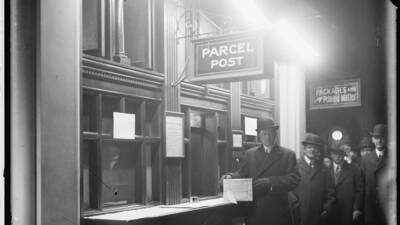
In 1915, six-year-old Edna Neff travelled 720 miles from Pensacola, Florida, to Christiansburg, Virginia, by Railway Mail Train under the US Parcel Post system, according to Smithsonian National Postal Museum historian Nancy Pope. Her weight was recorded as just under the 50-pound parcel limit and the trip cost 15 cents in Parcel Post stamps. According to the Smithsonian National Postal Museum, hers was the longest known journey by a child sent through Parcel Post. Edna's trip was part of an unusual era in the history of the US Post Office Department. The rules of Parcel Post service did not mention anything regarding the use of humans as cargo. Families found a way around the loophole and sent their children through the mail.
How children began travelling through the mail
According to the Smithsonian National Postal Museum, the US Post Office Department launched Parcel Post on January 1, 1913. The delivery allowed people to send parcels via post. Some of its early rules did not include a prohibition on delivering living people as parcels and there were quite a number of strange parcels delivered. According to the Smithsonian, one of the first such parcels was a baby boy from Glen Este, Ohio, carried to his grandmother in nearby Batavia in January 1913. His parents paid 15 cents for mailing and also insured him for $50.
There was another famous case of sending a person as a parcel. This was May Pierstorff, a little girl from Idaho. She was five years old when she was mailed in February 1914. Her parents arranged for her to travel in the Railway Mail Train for about 73 miles from Grangeville to Lewiston. According to the Smithsonian National Postal Museum, her parents paid 53 cents in postage and the stamps were attached to her sleeve. A relative who worked in the Railway Mail Train escorted her. After such an incident and a letter of enquiry about the possibility of sending children by mail , in 1914 Postmaster General Albert S. Burleson issued a regulation forbidding the mailing of children, according to the National Postal Museum.
Edna Neff’s unusual journey
Edna travelled from her mother's house in Pensacola to her father's house in Christiansburg using a Railway Mail Train. She travelled from her mother’s house in Pensacola to her father’s house in Christiansburg using a Railway Mail Train. Historical records reveal few details about the preparations for Edna's trip. No specific information regarding the duration of the trip and any people who may have been escorting her during the trip is available. There is only information on the mode of transport, her weight and the cost of the postage involved in the journey. Unlike the previous stories where kids travelled short distances within the same state, Edna travelled from one state to another in order to get to her father’s house.
The end of child deliveries
Edna was not the only child to make her way through the postal network. In September 1915, Maud Smith, a three-year-old girl, made her way through the postal network from her grandparents to her mother, Mrs Celina Smith, who lived in Jackson, Kentucky. This journey got the attention of Railway Mail workers. They challenged the Kentucky postmaster for allowing a child to be transported in a train as a package despite the previous restriction imposed by the postal department.
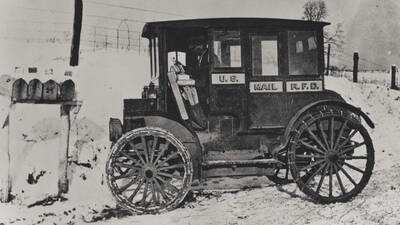 According to the Smithsonian Institution, children stopped being sent as postal packages in late 1915. This incident revealed the loopholes in the early rules of Parcel Post service. It made the postal officials take a clear stand on the issue. Edna is a peculiar case in the history of America’s postal services. She travelled from Florida to Virginia through Railway Mail Trains for just 15 cents as a package of postal service.
How children began travelling through the mail
According to the Smithsonian National Postal Museum, the US Post Office Department launched Parcel Post on January 1, 1913. The delivery allowed people to send parcels via post. Some of its early rules did not include a prohibition on delivering living people as parcels and there were quite a number of strange parcels delivered. According to the Smithsonian, one of the first such parcels was a baby boy from Glen Este, Ohio, carried to his grandmother in nearby Batavia in January 1913. His parents paid 15 cents for mailing and also insured him for $50.
There was another famous case of sending a person as a parcel. This was May Pierstorff, a little girl from Idaho. She was five years old when she was mailed in February 1914. Her parents arranged for her to travel in the Railway Mail Train for about 73 miles from Grangeville to Lewiston. According to the Smithsonian National Postal Museum, her parents paid 53 cents in postage and the stamps were attached to her sleeve. A relative who worked in the Railway Mail Train escorted her. After such an incident and a letter of enquiry about the possibility of sending children by mail , in 1914 Postmaster General Albert S. Burleson issued a regulation forbidding the mailing of children, according to the National Postal Museum.
Edna Neff’s unusual journey
Edna travelled from her mother's house in Pensacola to her father's house in Christiansburg using a Railway Mail Train. She travelled from her mother’s house in Pensacola to her father’s house in Christiansburg using a Railway Mail Train. Historical records reveal few details about the preparations for Edna's trip. No specific information regarding the duration of the trip and any people who may have been escorting her during the trip is available. There is only information on the mode of transport, her weight and the cost of the postage involved in the journey. Unlike the previous stories where kids travelled short distances within the same state, Edna travelled from one state to another in order to get to her father’s house.
The end of child deliveries
Edna was not the only child to make her way through the postal network. In September 1915, Maud Smith, a three-year-old girl, made her way through the postal network from her grandparents to her mother, Mrs Celina Smith, who lived in Jackson, Kentucky. This journey got the attention of Railway Mail workers. They challenged the Kentucky postmaster for allowing a child to be transported in a train as a package despite the previous restriction imposed by the postal department.
Next Story