
In 1943, Army Airborne serviceman Jim Rudy recorded a voice letter for his wife; 74 years later, their daughter found the forgotten disc and heard his voice again


Some family treasures turn up in very ordinary places. For Laurie Meyer, it was a small vinyl record buried with old family belongings. According to a 41 Action News report from KSHB, she was going through her family heirlooms when she found a recording of her father, Jim Rudy , that he had made during World War II . She had heard it once when she was a little girl, but she couldn't remember what it said. She wasn't sure if the audio could be saved.
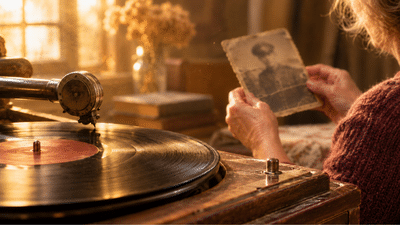
A message sent before the front line
Rudy recorded the message in Chicago on 15 January 1943. At that time, he was in his early 20s and was soon to be sent to the European front lines as part of the Army Airborne . The message was addressed to his wife, June, who was Meyer’s mother. The disc was named ‘Love and Kisses – Jim.’ It later became a long-forgotten family relic. Meyer brought the record to Summit Video Services in Lee’s Summit, Missouri. She was hoping to hear her father's voice on the record. The team transferred the audio from the turntable and cleaned it using digital software. Chad Godfrey, the owner of the store, said that he had seen a World War II record like this just three times in 12 years of running his business. He told Meyer that the audio was perfect.
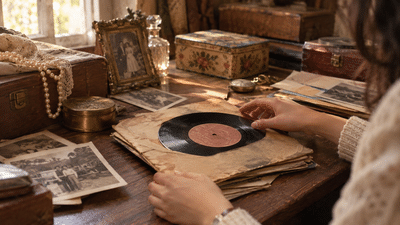 Hearing him again
Meyer was anxious to hear the recording. She listened to it with the KSHB team on a Thursday afternoon in March 2017. That was 74 years after it was recorded. The message ran about three minutes long. Rudy began by telling June that it was him remembering her. He hoped the little record would please her because it was different from writing. Meyer had warned that her father had a great sense of humour, and it showed in his words. He told June it would be easy to switch him off if she didn't like it. Yet the message was tender: “I am starving for your love and affection.” Near the end, he joked that his pizza had frozen to his trousers in the cold Chicago January. Then he said he was running out of words and out of record. He signed off by calling her “honey” and promising to write the next night again. For Meyer, it was an unbelievable experience to hear her father's young voice again. Meyer described her father as well-known and much loved. Godfrey called the disc an amazing souvenir and said it was satisfying to bring a piece of the past into the 21st century.
A wartime habit
Rudy’s record was also part of a wartime habit. The Smithsonian's National Postal Museum explains that the mail options increased in the 1940s to include recorded messages. Servicemen could use phonograph records to record their messages and mail them back home to their families. The American Philatelic Society, which is a non-profit organisation, mentions in an article written by Wayne Youngblood that Pepsi-Cola provided booths for servicemen to send their messages. Families loved these records, the article says, and played them again and again. Godfrey said both Coca-Cola and Pepsi ran promotions with booths like that.
It wasn't all history for Meyer. It was about her father in his early 20s, making jokes about frozen pizza and missing his wife. It's a few minutes of fun and love captured just before he left for the front lines. Rudy died in 1990 in Overland Park. But now his young voice is saved, frozen in time forever, and Meyer says future generations of the family will share a part of it.
A message sent before the front line
Rudy recorded the message in Chicago on 15 January 1943. At that time, he was in his early 20s and was soon to be sent to the European front lines as part of the Army Airborne . The message was addressed to his wife, June, who was Meyer’s mother. The disc was named ‘Love and Kisses – Jim.’ It later became a long-forgotten family relic. Meyer brought the record to Summit Video Services in Lee’s Summit, Missouri. She was hoping to hear her father's voice on the record. The team transferred the audio from the turntable and cleaned it using digital software. Chad Godfrey, the owner of the store, said that he had seen a World War II record like this just three times in 12 years of running his business. He told Meyer that the audio was perfect.
Meyer was anxious to hear the recording. She listened to it with the KSHB team on a Thursday afternoon in March 2017. That was 74 years after it was recorded. The message ran about three minutes long. Rudy began by telling June that it was him remembering her. He hoped the little record would please her because it was different from writing. Meyer had warned that her father had a great sense of humour, and it showed in his words. He told June it would be easy to switch him off if she didn't like it. Yet the message was tender: “I am starving for your love and affection.” Near the end, he joked that his pizza had frozen to his trousers in the cold Chicago January. Then he said he was running out of words and out of record. He signed off by calling her “honey” and promising to write the next night again. For Meyer, it was an unbelievable experience to hear her father's young voice again. Meyer described her father as well-known and much loved. Godfrey called the disc an amazing souvenir and said it was satisfying to bring a piece of the past into the 21st century.
A wartime habit
Rudy’s record was also part of a wartime habit. The Smithsonian's National Postal Museum explains that the mail options increased in the 1940s to include recorded messages. Servicemen could use phonograph records to record their messages and mail them back home to their families. The American Philatelic Society, which is a non-profit organisation, mentions in an article written by Wayne Youngblood that Pepsi-Cola provided booths for servicemen to send their messages. Families loved these records, the article says, and played them again and again. Godfrey said both Coca-Cola and Pepsi ran promotions with booths like that.
It wasn't all history for Meyer. It was about her father in his early 20s, making jokes about frozen pizza and missing his wife. It's a few minutes of fun and love captured just before he left for the front lines. Rudy died in 1990 in Overland Park. But now his young voice is saved, frozen in time forever, and Meyer says future generations of the family will share a part of it.
Next Story