
In 1981, Virginia recycled 7.85 miles of Route 220 into new asphalt using about 40% of the old road; two years later, the Franklin County pavement was performing well


Road construction often involves removing damaged pavement and replacing it with new material. Engineers can also use recycled asphalt in order to create a new road surface as well. Virginia used this approach in three earlier projects in central Virginia, according to the Virginia Highway and Transportation Research Council , before it recycled a 7.85-mile stretch of US Route 220 in Franklin County in the fall of 1981. This project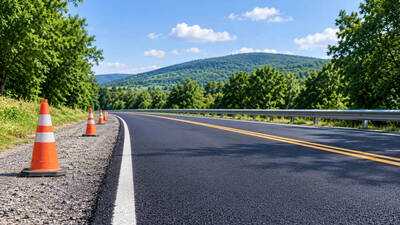 involved a 7.85-mile section of the road and included about 40% recycled pavement in the asphalt mixture. Engineers needed to evaluate whether used road material could be treated in a regular asphalt mixing plant and still serve under usual traffic conditions. The assessment conducted in 1984 confirmed that the used asphalt served quite well for about two years.
Virginia reused 40% of the old pavement on Route 220
The construction of Route 220 represented an extension of Virginia’s earlier efforts in asphalt recycling. The state had undertaken other hot mix recycling programmes prior to undertaking this major demonstration program. According to Hughes’s 1982 installation report, milling started on September 8, 1981, in the northbound lanes of US Route 220 in Franklin County. This was done because the base course of asphalt was in very good condition. Charles S. Hughes documented the construction process in the Virginia Highway and Transportation Research Council’s Installation Report: Evaluation of Recycled Hot Mix Asphaltic Concrete on Route 220, published in 1982. The report describes a project covering roughly 8 miles of roadway, where the top two asphalt layers were milled, recycled through a conventional batch plant and relaid. The finished mix used about 40% reclaimed material and 60% virgin aggregate and the work went ahead with little difficulty.
The recovered asphalt was processed and incorporated into a new hot mixture. The final mix was 40% reclaimed pavement material and 60% virgin aggregate, which was a blend of granite and sand. About 3.0% AC-5 asphalt cement was added on top of that, as detailed in the research report. Hughes’s installation report says paving began on September 30 and was completed on October 28, 1981. The installation report says the project included the full width of both northbound lanes, from north of Rocky Mount to south of Boones Mill.
Engineers modified an existing asphalt plant to process reclaimed material
The process involved the modification of an ordinary asphalt batch plant. Engineers included the installation of a bin and elevator to allow the transfer of the reclaimed pavement through the entire process. In addition, the materials went through a two-inch screen to eliminate the larger particles before going into the plant. In laboratory tests, the result indicated that the asphalt binder was highly rigid, especially the ones in the top layers of the pavement. This problem was sorted out by using softer AC-5 asphalt binder in the new mix. Finally, the project also resulted in the creation of excess materials beyond the needs of Route 220. Some of the excess materials were used for overlaying Route 40 in Franklin County. The initial use of cold recycled mix with CMS-2 emulsion was unsuccessful and therefore, the rest was done using hot recycled mix.
A two-year evaluation found satisfactory pavement performance
Hughes examined the road’s condition in the 1984 report. Two-Year Evaluation of Recycled Hot Mix Asphalt Concrete on Route 220: Interim Report. The evaluation consisted of a comparison of the data collected during the construction of the road with those obtained one and two years after service. The characteristics of the asphalt did not vary much within the period. The air voids in the mixture decreased due to compaction or the sealing of the pavement by traffic. The surface texture increased slightly while the present serviceability index fell a bit. Skid resistance went up over the period of two years.
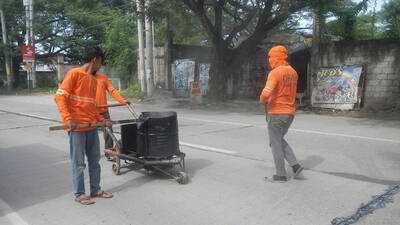 The report stated that the recycled pavement had been doing well, two years after it had been laid. A later three-year assessment, Evaluation of Recycled Hot Mix Asphalt Concrete on Route 220: Final Report, published in 1985, reported very good pavement performance. These results also led Virginia to consider a specification for using up to 25% recycled materials in the manufacturing process of hot mix asphalt by contractors. Thus, the Franklin County case study was an example of successful use of reclaimed asphalt in the construction of highway pavements for several years.
Virginia reused 40% of the old pavement on Route 220
The construction of Route 220 represented an extension of Virginia’s earlier efforts in asphalt recycling. The state had undertaken other hot mix recycling programmes prior to undertaking this major demonstration program. According to Hughes’s 1982 installation report, milling started on September 8, 1981, in the northbound lanes of US Route 220 in Franklin County. This was done because the base course of asphalt was in very good condition. Charles S. Hughes documented the construction process in the Virginia Highway and Transportation Research Council’s Installation Report
The recovered asphalt was processed and incorporated into a new hot mixture. The final mix was 40% reclaimed pavement material and 60% virgin aggregate, which was a blend of granite and sand. About 3.0% AC-5 asphalt cement was added on top of that, as detailed in the research report. Hughes’s installation report says paving began on September 30 and was completed on October 28, 1981. The installation report says the project included the full width of both northbound lanes, from north of Rocky Mount to south of Boones Mill.
Engineers modified an existing asphalt plant to process reclaimed material
The process involved the modification of an ordinary asphalt batch plant. Engineers included the installation of a bin and elevator to allow the transfer of the reclaimed pavement through the entire process. In addition, the materials went through a two-inch screen to eliminate the larger particles before going into the plant. In laboratory tests, the result indicated that the asphalt binder was highly rigid, especially the ones in the top layers of the pavement. This problem was sorted out by using softer AC-5 asphalt binder in the new mix. Finally, the project also resulted in the creation of excess materials beyond the needs of Route 220. Some of the excess materials were used for overlaying Route 40 in Franklin County. The initial use of cold recycled mix with CMS-2 emulsion was unsuccessful and therefore, the rest was done using hot recycled mix.
A two-year evaluation found satisfactory pavement performance
Hughes examined the road’s condition in the 1984 report. Two-Year Evaluation of Recycled Hot Mix Asphalt Concrete on Route 220: Interim Report. The evaluation consisted of a comparison of the data collected during the construction of the road with those obtained one and two years after service. The characteristics of the asphalt did not vary much within the period. The air voids in the mixture decreased due to compaction or the sealing of the pavement by traffic. The surface texture increased slightly while the present serviceability index fell a bit. Skid resistance went up over the period of two years.
Next Story