
In 1998, Chicago mother Kimberly Wasserman went door-to-door after her baby's asthma attack; by 2012, the city's Fisk and Crawford coal plants had closed


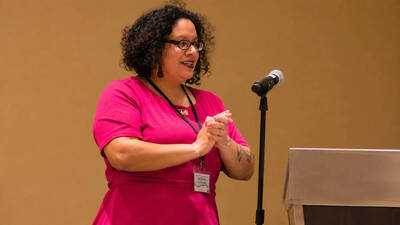
In 1998, Kimberly Wasserman was a young single mother living in Chicago’s Little Village neighbourhood when her three-month-old son suddenly began gasping for air. She rushed him to hospital, where doctors told her he had suffered an asthma attack. The frightening episode would change the direction of her life. Instead of treating it as an isolated incident, Wasserman began asking what in the air around her home could be affecting her child.
According to the Goldman Environmental Prize, Wasserman lived less than a mile from the Crawford Generating Station , one of two coal-fired power plants operating on Chicago’s southwest side. The other was the Fisk Street Generating Station . Their smokestacks stood close to densely populated neighbourhoods, and coal storage and other industrial activity heightened residents’ concerns about air quality. A Harvard study later estimated that emissions from the two plants were associated with more than 40 premature deaths, 550 emergency-room visits and 2,800 asthma attacks each year.
From a frightening diagnosis to a neighbourhood campaign
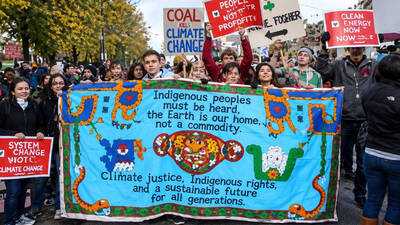
After her son's asthma attack, Wasserman started collaborating with an environmental justice group called the Little Village Environmental Justice Organisation, which is known as LVEJO for short. She would go door-to-door with her child, talking to other families who were experiencing the same kind of respiratory issues. The protest movement grew gradually rather than from a single event. Residents held meetings, attended hearings and staged protests, while community activists used “Toxic Tours” to draw attention to industrial pollution. Wasserman and other activists also contacted health, labour, religious and environmental organisations.
The health concerns were not based only on anecdotal reports. Research examining the Chicago plants later provided evidence of what happened after they shut down. A study published in the American Journal of Public Health analysed asthma-related emergency-department visits among children aged four and under between 2009 and 2017. It found that asthma-related emergency-department visits fell by about 12% in areas near Chicago coal plants after the plants closed, compared with areas farther away.
A campaign that reached City Hall
Closing the power plants seemed impossible for years as both Fisk and Crawford were already among Chicago’s oldest coal plants. They were owned by Midwest Generation, setting up a fight between activists and politicians. Progress came when the Chicago Clean Power Coalition formed in 2011. The coalition lobbied for the passing of the Clean Power Ordinance, which would compel the power plants to adopt stricter pollution controls. As noted by the Goldman Environmental Prize, the ordinance was supported by 35 members of the City Council and Mayor Rahm Emanuel. In response, Midwest Generation decided to shut down both power plants.
The closure was announced in February 2012. Crawford and Fisk subsequently closed that year, ahead of previously expected timelines. Illinois Environmental Protection Agency records confirm that Crawford operated from 1924 until 2012, while federal and state agencies monitored the sites during and after their shutdown. Their closure marked the end of coal-fired electricity generation at two long-running Chicago facilities and opened the way for discussions about the future use and redevelopment of the former industrial sites.
 What happened after the smokestacks stopped
The closing of these plants was a significant event, but it did not end Little Village’s environmental problems. The old industrial sites continued to draw attention because of redevelopment plans and lingering pollution concerns. For example, the Illinois EPA says Crawford was decommissioned after its 2012 closure, when the coal and coal ash were removed, and the site was acquired for redevelopment.
However, Wasserman's contribution went further than just the campaign for closing the plants. According to the Goldman Environmental Prize, she and the community activists advocated that the area occupied by the industrial facilities should become parks and recreational spaces. History of LVEJO mentions how the organisation contributed to the closure of the plants and ensured community benefits for the sites.
What began as one mother’s response to her child’s asthma attack grew into a community-wide effort. Wasserman’s story connected a personal health crisis with industrial pollution, public activism and the future of the neighbourhood’s land. By 2012, the two coal plants near Little Village were no longer producing electricity, and later studies found health benefits for children.
According to the Goldman Environmental Prize, Wasserman lived less than a mile from the Crawford Generating Station , one of two coal-fired power plants operating on Chicago’s southwest side. The other was the Fisk Street Generating Station . Their smokestacks stood close to densely populated neighbourhoods, and coal storage and other industrial activity heightened residents’ concerns about air quality. A Harvard study later estimated that emissions from the two plants were associated with more than 40 premature deaths, 550 emergency-room visits and 2,800 asthma attacks each year.
From a frightening diagnosis to a neighbourhood campaign
After her son's asthma attack, Wasserman started collaborating with an environmental justice group called the Little Village Environmental Justice Organisation, which is known as LVEJO for short. She would go door-to-door with her child, talking to other families who were experiencing the same kind of respiratory issues. The protest movement grew gradually rather than from a single event. Residents held meetings, attended hearings and staged protests, while community activists used “Toxic Tours” to draw attention to industrial pollution. Wasserman and other activists also contacted health, labour, religious and environmental organisations.
The health concerns were not based only on anecdotal reports. Research examining the Chicago plants later provided evidence of what happened after they shut down. A study published in the American Journal of Public Health analysed asthma-related emergency-department visits among children aged four and under between 2009 and 2017. It found that asthma-related emergency-department visits fell by about 12% in areas near Chicago coal plants after the plants closed, compared with areas farther away.
A campaign that reached City Hall
Closing the power plants seemed impossible for years as both Fisk and Crawford were already among Chicago’s oldest coal plants. They were owned by Midwest Generation, setting up a fight between activists and politicians. Progress came when the Chicago Clean Power Coalition formed in 2011. The coalition lobbied for the passing of the Clean Power Ordinance, which would compel the power plants to adopt stricter pollution controls. As noted by the Goldman Environmental Prize, the ordinance was supported by 35 members of the City Council and Mayor Rahm Emanuel. In response, Midwest Generation decided to shut down both power plants.
The closure was announced in February 2012. Crawford and Fisk subsequently closed that year, ahead of previously expected timelines. Illinois Environmental Protection Agency records confirm that Crawford operated from 1924 until 2012, while federal and state agencies monitored the sites during and after their shutdown. Their closure marked the end of coal-fired electricity generation at two long-running Chicago facilities and opened the way for discussions about the future use and redevelopment of the former industrial sites.
The closing of these plants was a significant event, but it did not end Little Village’s environmental problems. The old industrial sites continued to draw attention because of redevelopment plans and lingering pollution concerns. For example, the Illinois EPA says Crawford was decommissioned after its 2012 closure, when the coal and coal ash were removed, and the site was acquired for redevelopment.
However, Wasserman's contribution went further than just the campaign for closing the plants. According to the Goldman Environmental Prize, she and the community activists advocated that the area occupied by the industrial facilities should become parks and recreational spaces. History of LVEJO mentions how the organisation contributed to the closure of the plants and ensured community benefits for the sites.
What began as one mother’s response to her child’s asthma attack grew into a community-wide effort. Wasserman’s story connected a personal health crisis with industrial pollution, public activism and the future of the neighbourhood’s land. By 2012, the two coal plants near Little Village were no longer producing electricity, and later studies found health benefits for children.
Next Story