
In 1999, Olympic runner Kip Keino and his wife opened a school for orphaned and local children in Kenya; a 2005 report said it ranked first among 400 primary schools in its district


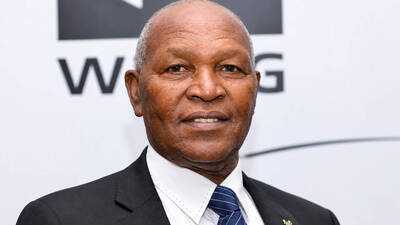
Kipchoge “Kip” Keino, the Kenyan Olympic champion, established a legacy beyond athletics. In January 1999, he and his wife, Phyllis, opened Kipkeino School near Lewa Children's Home in Eldoret, western Kenya . The school was established to educate orphaned and underprivileged children alongside pupils from neighbouring communities. Six years later, it reportedly ranked first among the 400 district primary schools in the national examination , which further brought its educational mission to light. According to the school's official website, its education al programme has expanded over the years to include early childhood, primary and junior secondary education, serving children from both the children's home and surrounding communities.
From the running track to the classroom
Kipchoge rose to sporting fame when he won the 1,500 metres gold medal at the 1968 Olympic Games in Mexico City. Four years later, at the 1972 Munich Olympics, he added another Olympic gold medal in the 3,000-metre steeplechase event and contributed to Kenya's emergence as a powerhouse of distance running. Together with his wife Phyllis, he also devoted much of his life to helping children in need, including those who are orphaned, destitute or otherwise disadvantaged.
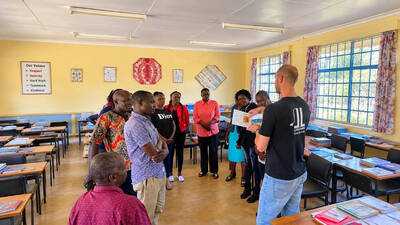
Lewa Children's Home near Eldoret accommodated orphaned children , but the Keinos believed the children needed schooling as well. Therefore, a school was established within walking distance of their home. It operated on the principle of integration, ensuring that children from the home were not isolated and that they ought to be taught alongside children from the surrounding community. The school subsequently expanded its educational provision from early childhood education through to junior secondary level while maintaining this inclusive approach.
A notable result in 2005
The school's early progress was reflected in its reported performance in the 2005 national examination. According to the account published by African Relief, Kipkeino School took first place among 400 primary schools in its district. The same account reported that all its Grade 8 candidates passed and gained places in secondary schools. The result was striking after only six years. The December 2005 report recorded 360 pupils at school, including 31 children from Lewa, with a further 37 enrolled in the nursery section. 20 teachers and 31 non-teaching employees were drawn from local regions.
These numbers indicated that the school served many more pupils than just those residents at the centre. Its boarding school facility enabled students from outside the local area to attend. Whereas, its agricultural and craft activities broadened the educational offer. The next step was to raise funds for a secondary school so that pupils from Lewa and neighbouring communities could continue their education.
 An expanding educational mission
Resources for learning were developed and enhanced with the aid of charitable partners. Lewa Children's Home identified Bread and Water for Africa as a key benefactor, which supported the development of school infrastructure. While educational materials such as computers, library books, and musical instruments were provided by its donors, improving educational resources for the children.
Today, the school is known for its large-scale institution ranging from early childhood to junior secondary education with an academic and all-rounder development goal for pupils. Though the 2005 ranking stands as an important moment, the school's impact extends far beyond examination halls. It evolved to ensure that disadvantaged children have the same educational facilities as those in privileged settings. For Keino, it was also an another way to give back to Kenya while supporting the school and the Eldoret community.
From the running track to the classroom
Kipchoge rose to sporting fame when he won the 1,500 metres gold medal at the 1968 Olympic Games in Mexico City. Four years later, at the 1972 Munich Olympics, he added another Olympic gold medal in the 3,000-metre steeplechase event and contributed to Kenya's emergence as a powerhouse of distance running. Together with his wife Phyllis, he also devoted much of his life to helping children in need, including those who are orphaned, destitute or otherwise disadvantaged.
Lewa Children's Home near Eldoret accommodated orphaned children , but the Keinos believed the children needed schooling as well. Therefore, a school was established within walking distance of their home. It operated on the principle of integration, ensuring that children from the home were not isolated and that they ought to be taught alongside children from the surrounding community. The school subsequently expanded its educational provision from early childhood education through to junior secondary level while maintaining this inclusive approach.
A notable result in 2005
The school's early progress was reflected in its reported performance in the 2005 national examination. According to the account published by African Relief, Kipkeino School took first place among 400 primary schools in its district. The same account reported that all its Grade 8 candidates passed and gained places in secondary schools. The result was striking after only six years. The December 2005 report recorded 360 pupils at school, including 31 children from Lewa, with a further 37 enrolled in the nursery section. 20 teachers and 31 non-teaching employees were drawn from local regions.
These numbers indicated that the school served many more pupils than just those residents at the centre. Its boarding school facility enabled students from outside the local area to attend. Whereas, its agricultural and craft activities broadened the educational offer. The next step was to raise funds for a secondary school so that pupils from Lewa and neighbouring communities could continue their education.
Resources for learning were developed and enhanced with the aid of charitable partners. Lewa Children's Home identified Bread and Water for Africa as a key benefactor, which supported the development of school infrastructure. While educational materials such as computers, library books, and musical instruments were provided by its donors, improving educational resources for the children.
Today, the school is known for its large-scale institution ranging from early childhood to junior secondary education with an academic and all-rounder development goal for pupils. Though the 2005 ranking stands as an important moment, the school's impact extends far beyond examination halls. It evolved to ensure that disadvantaged children have the same educational facilities as those in privileged settings. For Keino, it was also an another way to give back to Kenya while supporting the school and the Eldoret community.
Next Story