
In 2001, a fuel leak drained an Air Transat Airbus A330 over the Atlantic; with both engines out, its pilots glided about 65 nautical miles to the Azores, and 18 people were injured during the evacuation


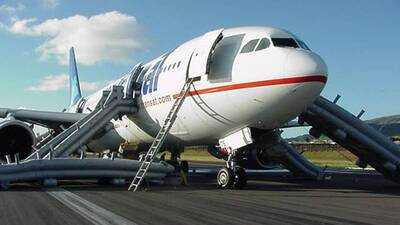
On August 24, 2001, Air Transat Flight 236 was travelling from Toronto to Lisbon when a fuel leak began draining its tanks over the Atlantic Ocean. 293 passengers and 13 crew members were on board the Airbus A330-243. According to the investigation report, the crew struggled to understand why the aircraft’s fuel readings were changing so drastically for over an hour. Eventually, they diverted towards the Azores , but the situation at hand got worse before they could reach land. At first, one engine stopped, then the other. With both engines stopped, the pilots had to guide the aircraft towards Lajes Airport on Terceira Island. While the aircraft landed safely, 18 people were injured during the emergency evacuation .
The fuel leak was caused by a maintenance error
The aircraft had taken off from Toronto with around 46.9 tonnes of fuel on board. Investigators subsequently established that the leak began at around 4:38 am UTC, that is, approximately three hours and 46 minutes into the flight. Fuel started leaking from a fuel-line rupture in the right engine, and the leak rate increased as the journey progressed.
The damage was traced back to maintenance work performed before the flight. The right engine had reportedly been replaced, but the installation involved components from different modifications and configurations. According to the investigators, they found that a fuel tube and a hydraulic pressure line had been fitted in an incompatible arrangement. These lines interfered with each other, and the pressurised hydraulic line came into contact with the fuel tube. Therefore, repeated friction caused damage, which ultimately led to a fatigue fracture through which the fuel started leaking.
Following the takeoff, at about 5:03 am, the pilots noticed unusual oil pressure and temperature indications from the right engine. At 5:33 am, a fuel imbalance advisory appeared, thus drawing attention to a difference between the quantities in the two wing tanks. The crew present in the flight initially investigated the imbalance. They considered several explanations but could not pinpoint the actual cause.
The crew’s fuel management decisions further complicated the situation. They opened the cross-feed system and changed the fuel-pump configuration in an attempt to manage the imbalance between the two tanks and keep the engines supplied. At separate points, the fuel from the left-wing tanks was allowed to feed the right engine, meaning that fuel from those tanks could also escape through the damaged line. The leak, however, still continued despite the crew changing the configuration. At 5:45 am, they decided to divert to Lajes as they realised that the remaining fuel was insufficient to continue to Lisbon.
Both engines failed over the Atlantic
At 6:13 am, while the aircraft was about 150 nautical miles from Lajes, the right engine flamed out. Air traffic control was informed of the same, and the aircraft continued towards the Azores using the remaining engine. At 6:23 am, the first officer declared a Mayday. Three minutes later, at an altitude of 34,500 feet and about 65 nautical miles from Lajes, the left engine stopped working as well.
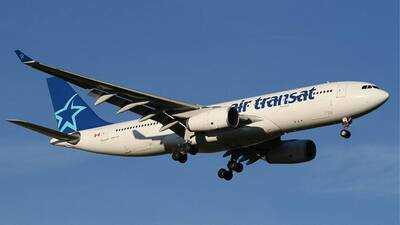 The investigation report noted that the pilots began an engines-out descent towards the island with assistance from Lajes air traffic control. They had to manage the aircraft’s altitude and speed while getting ready for the possibility of ditching in the ocean. Meanwhile, inside the cabin, the loss of engine power had affected the aircraft’s electrical systems. Emergency lighting came on, and oxygen masks were deployed after cabin pressure was lost. The crew prepared passengers for an emergency landing, while controllers on the ground guided the aircraft towards the airport.
At approximately 6:45 am, the A330 reached Lajes and landed on runway 33. The aircraft touched down at a higher-than-normal speed. Small fires reportedly developed around the left main landing-gear wheels but were quickly put out by the rescue crew present at the runway.
The emergency evacuation
The captain ordered an emergency evacuation after the aircraft came to a halt. Passengers and crew left through the emergency exits and evacuation slides. However, one exit did not operate as intended, thus requiring people in that area to use other exits. The evacuation was completed in 90 seconds, and while no fatalities were reported, 16 passengers and two cabin crew members sustained injuries.
The findings of the investigation pointed to the incompatible installation of the fuel and hydraulic lines as the technical origin of the leak. Furthermore, it highlighted other operational factors like the crew’s difficulty in recognising the fuel loss and responding to it effectively. Its findings prompted safety recommendations concerning fuel-leak detection, warning systems, pilot training and maintenance procedures.
The fuel leak was caused by a maintenance error
The aircraft had taken off from Toronto with around 46.9 tonnes of fuel on board. Investigators subsequently established that the leak began at around 4:38 am UTC, that is, approximately three hours and 46 minutes into the flight. Fuel started leaking from a fuel-line rupture in the right engine, and the leak rate increased as the journey progressed.
The damage was traced back to maintenance work performed before the flight. The right engine had reportedly been replaced, but the installation involved components from different modifications and configurations. According to the investigators, they found that a fuel tube and a hydraulic pressure line had been fitted in an incompatible arrangement. These lines interfered with each other, and the pressurised hydraulic line came into contact with the fuel tube. Therefore, repeated friction caused damage, which ultimately led to a fatigue fracture through which the fuel started leaking.
Following the takeoff, at about 5:03 am, the pilots noticed unusual oil pressure and temperature indications from the right engine. At 5:33 am, a fuel imbalance advisory appeared, thus drawing attention to a difference between the quantities in the two wing tanks. The crew present in the flight initially investigated the imbalance. They considered several explanations but could not pinpoint the actual cause.
The crew’s fuel management decisions further complicated the situation. They opened the cross-feed system and changed the fuel-pump configuration in an attempt to manage the imbalance between the two tanks and keep the engines supplied. At separate points, the fuel from the left-wing tanks was allowed to feed the right engine, meaning that fuel from those tanks could also escape through the damaged line. The leak, however, still continued despite the crew changing the configuration. At 5:45 am, they decided to divert to Lajes as they realised that the remaining fuel was insufficient to continue to Lisbon.
Both engines failed over the Atlantic
At 6:13 am, while the aircraft was about 150 nautical miles from Lajes, the right engine flamed out. Air traffic control was informed of the same, and the aircraft continued towards the Azores using the remaining engine. At 6:23 am, the first officer declared a Mayday. Three minutes later, at an altitude of 34,500 feet and about 65 nautical miles from Lajes, the left engine stopped working as well.
At approximately 6:45 am, the A330 reached Lajes and landed on runway 33. The aircraft touched down at a higher-than-normal speed. Small fires reportedly developed around the left main landing-gear wheels but were quickly put out by the rescue crew present at the runway.
The emergency evacuation
The captain ordered an emergency evacuation after the aircraft came to a halt. Passengers and crew left through the emergency exits and evacuation slides. However, one exit did not operate as intended, thus requiring people in that area to use other exits. The evacuation was completed in 90 seconds, and while no fatalities were reported, 16 passengers and two cabin crew members sustained injuries.
The findings of the investigation pointed to the incompatible installation of the fuel and hydraulic lines as the technical origin of the leak. Furthermore, it highlighted other operational factors like the crew’s difficulty in recognising the fuel loss and responding to it effectively. Its findings prompted safety recommendations concerning fuel-leak detection, warning systems, pilot training and maintenance procedures.
Next Story