
In 2005, Seattle began restoring neglected urban forests with volunteers; two decades later, 1.5 million native plants have been planted, and more than 2,000 acres are under restoration, earning a UN honour


A forest does not need to be replanted from scratch to be brought back to life. Sometimes, all it takes is a little collective effort and a community willing to restore what has been neglected. We saw during COVID-19 how reduced human activity made some environmental changes more visible: birds returned, animals were spotted in cities, fish swam in rivers where people had once hesitated to dip their feet, and mountains became visible from miles away.
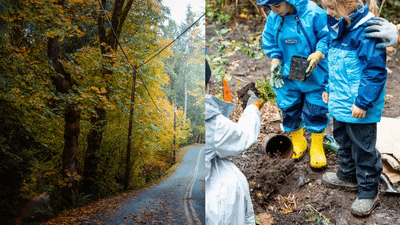
In Seattle, thousands of volunteers have spent the past two decades doing exactly that: not starting something new, but saving what is already there. What began in 2005 as an effort to revive neglected urban forests has grown into a major restoration initiative, with more than 1.5 million native plants planted and over 2,000 acres brought under restoration. The work has now earned the city a United Nations honour .
According to the United Nations Environment Programme (UNEP), the Green Seattle Partnership has been recognised as a World Restoration Flagship under the UN Decade on Ecosystem Restoration , following two decades of community-led efforts to revive the city's neglected urban forests.
Seattle Mayor Katie B. Wilson said in a statement published by the UN Decade, “Through partnership, community stewardship of Seattle’s forested parklands has blossomed.” She also said, “We are honored to share the successful effort and our continued learning with cities around the world as part of the World Restoration Flagship programme.”
How a community came together to restore Seattle's urban forests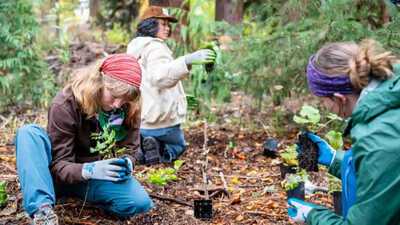
The Green Seattle Partnership was launched in 2005 as a collaboration between the City of Seattle and the community to address the deteriorating condition of its urban forests. Over the years, many of the city's forested parklands had been affected by invasive plant species, declining native vegetation and a lack of regular maintenance. These changes threatened the natural habitats of local wildlife and the ecological health of the forests.
Rather than treating forest restoration as the sole responsibility of government agencies, the initiative brought together residents, volunteers, environmental organisations and city departments. People began coming forward voluntarily and dedicating their time to the cause. And this shows something very profound: everything is not the government's responsibility. The city is ours too, and looking after it is our duty just as much as it is the government's.
The partnership also focused on ensuring that restoration was not a one-time activity. Volunteers continued returning to the same sites to maintain the newly planted vegetation and prevent invasive species from taking over again. This long-term approach helped transform the initiative from a city-led environmental programme into a community-driven effort.
“I set out alone toward my destination, yet people kept joining in, and a caravan was formed.” Legendary Urdu poet Majrooh Sultanpuri wrote these words, and that is what happened in Seattle. Over the years, thousands of residents came forward and contributed their time and effort to the programme, demonstrating how collective participation can help protect and restore natural spaces within a growing city.
From neglected parklands to a restoration success story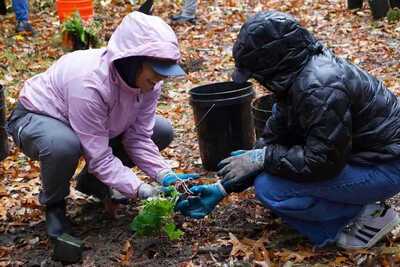
What makes it remarkable is not just the number of plants it has introduced, but the scale of the restoration work carried out over the years. According to the partnership's 20-year report, more than 2,032 acres of land across over 230 parks were under active restoration as of September 2025. The initiative had also recorded more than 1.5 million native plants planted, including over 355,000 trees.
The contribution of volunteers has been equally significant. Since its launch in 2005, the partnership has received more than 1.4 million hours of volunteer work, with young people accounting for approximately 23 per cent of the total. It has also trained nearly 500 volunteer Forest Stewards, who organise restoration activities and encourage residents to take responsibility for the natural spaces in their neighbourhoods.
Seattle's Green Seattle Partnership shows how the restoration of nature does not always require grand projects or large-scale interventions. Sometimes, all it takes is a small initiative and a sense of togetherness to make a big difference. It all begins with people coming together to protect what already exists and ensure that it continues to thrive. What started as an effort to revive neglected urban forests has, over two decades, grown into a movement involving thousands of residents and millions of native plants. Its recognition by the United Nations is not just an honour for Seattle, but also an example of how community participation can play a vital role in restoring urban ecosystems. As cities continue to expand, the initiative offers an important reminder that development and nature need not always come at the expense of one another.
In Seattle, thousands of volunteers have spent the past two decades doing exactly that: not starting something new, but saving what is already there. What began in 2005 as an effort to revive neglected urban forests has grown into a major restoration initiative, with more than 1.5 million native plants planted and over 2,000 acres brought under restoration. The work has now earned the city a United Nations honour .
According to the United Nations Environment Programme (UNEP), the Green Seattle Partnership has been recognised as a World Restoration Flagship under the UN Decade on Ecosystem Restoration , following two decades of community-led efforts to revive the city's neglected urban forests.
Seattle Mayor Katie B. Wilson said in a statement published by the UN Decade, “Through partnership, community stewardship of Seattle’s forested parklands has blossomed.” She also said, “We are honored to share the successful effort and our continued learning with cities around the world as part of the World Restoration Flagship programme.”
How a community came together to restore Seattle's urban forests
The Green Seattle Partnership was launched in 2005 as a collaboration between the City of Seattle and the community to address the deteriorating condition of its urban forests. Over the years, many of the city's forested parklands had been affected by invasive plant species, declining native vegetation and a lack of regular maintenance. These changes threatened the natural habitats of local wildlife and the ecological health of the forests.
Rather than treating forest restoration as the sole responsibility of government agencies, the initiative brought together residents, volunteers, environmental organisations and city departments. People began coming forward voluntarily and dedicating their time to the cause. And this shows something very profound: everything is not the government's responsibility. The city is ours too, and looking after it is our duty just as much as it is the government's.
The partnership also focused on ensuring that restoration was not a one-time activity. Volunteers continued returning to the same sites to maintain the newly planted vegetation and prevent invasive species from taking over again. This long-term approach helped transform the initiative from a city-led environmental programme into a community-driven effort.
“I set out alone toward my destination, yet people kept joining in, and a caravan was formed.” Legendary Urdu poet Majrooh Sultanpuri wrote these words, and that is what happened in Seattle. Over the years, thousands of residents came forward and contributed their time and effort to the programme, demonstrating how collective participation can help protect and restore natural spaces within a growing city.
From neglected parklands to a restoration success story
What makes it remarkable is not just the number of plants it has introduced, but the scale of the restoration work carried out over the years. According to the partnership's 20-year report, more than 2,032 acres of land across over 230 parks were under active restoration as of September 2025. The initiative had also recorded more than 1.5 million native plants planted, including over 355,000 trees.
The contribution of volunteers has been equally significant. Since its launch in 2005, the partnership has received more than 1.4 million hours of volunteer work, with young people accounting for approximately 23 per cent of the total. It has also trained nearly 500 volunteer Forest Stewards, who organise restoration activities and encourage residents to take responsibility for the natural spaces in their neighbourhoods.
Seattle's Green Seattle Partnership shows how the restoration of nature does not always require grand projects or large-scale interventions. Sometimes, all it takes is a small initiative and a sense of togetherness to make a big difference. It all begins with people coming together to protect what already exists and ensure that it continues to thrive. What started as an effort to revive neglected urban forests has, over two decades, grown into a movement involving thousands of residents and millions of native plants. Its recognition by the United Nations is not just an honour for Seattle, but also an example of how community participation can play a vital role in restoring urban ecosystems. As cities continue to expand, the initiative offers an important reminder that development and nature need not always come at the expense of one another.
Next Story