
In 2023, a Pennsylvania dairy's manure digester upgrade qualified for an estimated $80,000 rebate and projected $34,000 in annual energy cost savings using cow waste


Located in Lancaster County, Pennsylvania, a dairy farm has found a way to turn a common byproduct into electricity and heat. In 2023, Brubaker Farms upgraded its old anaerobic digester that converts manure into biogas. The project qualified for an estimated $80,000 rebate and was expected to save $34,000 per year on electricity and natural gas bills.
According to the October 2023 list provided by the Pennsylvania Department of Environmental Protection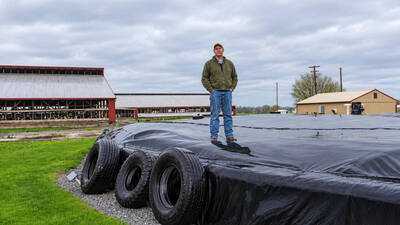 , Brubaker Farms is listed as an approved anaerobic digestion facility in East Donegal Township, Lancaster County. The official record identifies both food waste and manure as materials handled at the facility and lists its permit type as GP-WMGM042.
Why the farm upgraded its digester
Brubaker Farms had already had an anaerobic digester for over 10 years. However, the original equipment reached the end of its lifespan sooner than anticipated. The service provider who documented the project said that much of the degradation was due to sulfurous material in the biogas, which had damaged the engine generator. Therefore, instead of discarding the old system, the owner decided to update it. Following this decision, the 223 kW generator was swapped for a 335 kW unit. The total project was estimated to be $798,000.
How cow waste became electricity and heat
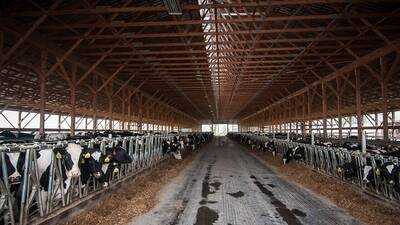
The updated system can handle the manure from around 1,000 cows as well as the food waste brought in from the nearby colleges. In the digester, the feedstock is stored to decompose without oxygen, which then generates biogas that contains methane. The gas produced is further transferred to a unit for the removal of sulfur-containing compounds before it can be introduced to the engine. This procedure is necessary to protect it from corrosion and other damage that affected the engine in the previous installation. Finally, the gas is pumped to the engine-generator to create power for the farm. The engine's waste heat is also recovered to warm the farm buildings, including the milk house, and supply hot water for milk processing.
Consequently, it wasn't just a question of swapping in a bigger engine. What the farm really needed was a system to clean up the biogas before it reached the engine and capture the waste heat. Both of these points matter for two different reasons: raw manure gas can corrode equipment, while a combined generator produces more heat and hot water than it requires. Capturing these byproducts increases the system's efficiency. The new design therefore connects waste management with energy production and uses fuel that would normally be flared or vented.
 Rebates and projected savings
According to a CLEAResults case study, the upgraded digester was estimated to have annual energy savings of $ 2,644,000 kWh and an estimated rebate value of $80,000. Meanwhile, the system was also projected to offset approximately $30,000 per year in electricity expense and $4,000 in natural gas costs. Combined, these utility savings amount to roughly $34,000 a year.
The firm estimates that the project payback period is three and a half years with incentives, compared with four years without them. CleaResults attributed the development of an M&V plan to a program evaluator. The number represents projections, not a guarantee of actual savings. Digesters need good maintenance, reliable gas management, and monitoring to avoid leaks and other problems. Still, Brubaker Farms’ expansion shows how a dairy operation can turn manure into a useful source of on-farm energy.
According to the October 2023 list provided by the Pennsylvania Department of Environmental Protection
Why the farm upgraded its digester
Brubaker Farms had already had an anaerobic digester for over 10 years. However, the original equipment reached the end of its lifespan sooner than anticipated. The service provider who documented the project said that much of the degradation was due to sulfurous material in the biogas, which had damaged the engine generator. Therefore, instead of discarding the old system, the owner decided to update it. Following this decision, the 223 kW generator was swapped for a 335 kW unit. The total project was estimated to be $798,000.
How cow waste became electricity and heat
The updated system can handle the manure from around 1,000 cows as well as the food waste brought in from the nearby colleges. In the digester, the feedstock is stored to decompose without oxygen, which then generates biogas that contains methane. The gas produced is further transferred to a unit for the removal of sulfur-containing compounds before it can be introduced to the engine. This procedure is necessary to protect it from corrosion and other damage that affected the engine in the previous installation. Finally, the gas is pumped to the engine-generator to create power for the farm. The engine's waste heat is also recovered to warm the farm buildings, including the milk house, and supply hot water for milk processing.
Consequently, it wasn't just a question of swapping in a bigger engine. What the farm really needed was a system to clean up the biogas before it reached the engine and capture the waste heat. Both of these points matter for two different reasons: raw manure gas can corrode equipment, while a combined generator produces more heat and hot water than it requires. Capturing these byproducts increases the system's efficiency. The new design therefore connects waste management with energy production and uses fuel that would normally be flared or vented.
According to a CLEAResults case study, the upgraded digester was estimated to have annual energy savings of $ 2,644,000 kWh and an estimated rebate value of $80,000. Meanwhile, the system was also projected to offset approximately $30,000 per year in electricity expense and $4,000 in natural gas costs. Combined, these utility savings amount to roughly $34,000 a year.
The firm estimates that the project payback period is three and a half years with incentives, compared with four years without them. CleaResults attributed the development of an M&V plan to a program evaluator. The number represents projections, not a guarantee of actual savings. Digesters need good maintenance, reliable gas management, and monitoring to avoid leaks and other problems. Still, Brubaker Farms’ expansion shows how a dairy operation can turn manure into a useful source of on-farm energy.
Next Story