
In the early 2000s, one Georgia farm turned Atlanta's suburban sprawl into a customer base; by 2026, its attractions drew roughly 500,000 visitors annually


In today’s fast-paced world, deciding about the future is challenging for many. However, some people know early on what they want to do with their lives and work hard to achieve their goals. One such person is Jake Carter, who always knew he wanted to become a farmer like his father and grandfather. According to DTN Progressive Farmer, Carter’s family has worked the same red Georgia clay for over five generations.
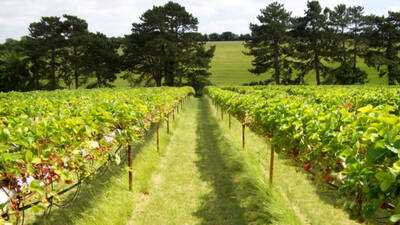
Southern Belle Farm , located in Henry County, just 30 miles south of Atlanta, was rapidly turning into an island amid one of the state's most quickly expanding suburban areas. As developers began approaching the family, Carter and his relatives faced a dilemma about the future of their land. Rather than fearing Atlanta’s expansion, they decided to embrace it. Recalling the situation, Carter told DTN Progressive Farmer, “We opened the gates of the farm to agritourism. This wasn't the easiest option, but it is the most fulfilling and rewarding.”
Expansion of U.S. agritourism
Agricultural tourism represents a compact yet significant market within U.S. farming, enabling profitable revenue streams and new employment opportunities for the family members. The U.S. Department of Agriculture (USDA) refers to earnings from agritourism as "fresh money." In its 2022 Census of Agriculture, the USDA reported that agritourism generated $1.26 billion in income that year, a 12.4% inflation-adjusted increase from 2017 (covering activities like pick-your-own produce, hayrides, and petting zoos).
About 1.5% of U.S. farms, which happens to be 28,617 out of 1.9 million, reported agritourism income in 2022, earning an average of $44,000 per operation. While national census figures don’t capture farmers' personal motivations for launching these ventures, surveys frequently cite employing younger family members as a primary motivation for starting these ventures.
Demographics and farm size
As reported by DTN Progressive Farmer and supported byPenn State agricultural research, agritourism businesses are more often managed by women compared to conventional farms and cluster near urban and suburban population centers that provide a solid customer base. States with the highest concentration of these operations include California, Colorado, Michigan, New York, North Carolina, Ohio, and Texas.
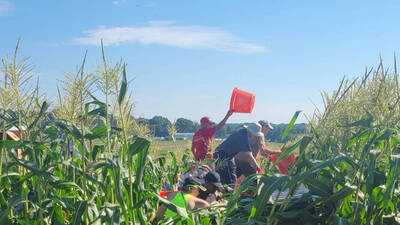 Data from the USDA’s 2022 census (analyzed in the Northeast Regional Center for Rural Development data brief) shows that farms under 50 acres experienced strong growth in agritourism receipts compared to 2017, accounting for one-quarter of U.S. agritourism income by 2022. Very small farms (under 10 acres) saw receipts surge by 137.2% between 2017 and 2022. On the other hand, large farms exceeding 2,000 acres recorded $251.7 million in agritourism income, roughly $43 million more than in 2017, even though the total number of large-farm operations fell by 550.
Initial costs and strategies
Agritourism ventures are capital-intensive, with initial outlays ranging from $50,000 to over $500,000 for restrooms, kitchens, and curated attractions (such as corn mazes or pumpkin patches), liability insurance, staffing, marketing, and ongoing maintenance. To accommodate crowds, Southern Belle Farm dedicates 16 acres solely to parking.
Carter noted his family took a conservative approach to growth. "We learned to quit chasing all these things we thought would work and focus on things we are good at," he said, adding that the farm stopped hosting wedding events after realizing visitors primarily wanted hands-on farm experiences like you-pick strawberries.
“We had a sense that there was a yearning to get back to the farm, and we realized that everything we do needs to focus on that,” Carter added. As cited by DTN Progressive Farmer, Southern Belle Farm taps into a greater Atlanta market of 6 million people, drawing 500,000 visitors annually, including 40,000 school kids, while sustaining the Carter family’s agricultural legacy.
Southern Belle Farm , located in Henry County, just 30 miles south of Atlanta, was rapidly turning into an island amid one of the state's most quickly expanding suburban areas. As developers began approaching the family, Carter and his relatives faced a dilemma about the future of their land. Rather than fearing Atlanta’s expansion, they decided to embrace it. Recalling the situation, Carter told DTN Progressive Farmer, “We opened the gates of the farm to agritourism. This wasn't the easiest option, but it is the most fulfilling and rewarding.”
Expansion of U.S. agritourism
Agricultural tourism represents a compact yet significant market within U.S. farming, enabling profitable revenue streams and new employment opportunities for the family members. The U.S. Department of Agriculture (USDA) refers to earnings from agritourism as "fresh money." In its 2022 Census of Agriculture, the USDA reported that agritourism generated $1.26 billion in income that year, a 12.4% inflation-adjusted increase from 2017 (covering activities like pick-your-own produce, hayrides, and petting zoos).
About 1.5% of U.S. farms, which happens to be 28,617 out of 1.9 million, reported agritourism income in 2022, earning an average of $44,000 per operation. While national census figures don’t capture farmers' personal motivations for launching these ventures, surveys frequently cite employing younger family members as a primary motivation for starting these ventures.
Demographics and farm size
As reported by DTN Progressive Farmer and supported byPenn State agricultural research, agritourism businesses are more often managed by women compared to conventional farms and cluster near urban and suburban population centers that provide a solid customer base. States with the highest concentration of these operations include California, Colorado, Michigan, New York, North Carolina, Ohio, and Texas.
Initial costs and strategies
Agritourism ventures are capital-intensive, with initial outlays ranging from $50,000 to over $500,000 for restrooms, kitchens, and curated attractions (such as corn mazes or pumpkin patches), liability insurance, staffing, marketing, and ongoing maintenance. To accommodate crowds, Southern Belle Farm dedicates 16 acres solely to parking.
Carter noted his family took a conservative approach to growth. "We learned to quit chasing all these things we thought would work and focus on things we are good at," he said, adding that the farm stopped hosting wedding events after realizing visitors primarily wanted hands-on farm experiences like you-pick strawberries.
“We had a sense that there was a yearning to get back to the farm, and we realized that everything we do needs to focus on that,” Carter added. As cited by DTN Progressive Farmer, Southern Belle Farm taps into a greater Atlanta market of 6 million people, drawing 500,000 visitors annually, including 40,000 school kids, while sustaining the Carter family’s agricultural legacy.
Next Story