
Why India Could Face Diplomatic Risks On Trump’s Gaza Peace Board

India has been invited to join the Gaza Peace Board proposed by US President Donald Trump, but the opportunity comes with significant diplomatic challenges. While the platform could give New Delhi a seat at a global decision-making table, it also demands careful balancing between engagement and India’s longstanding principles of multilateralism.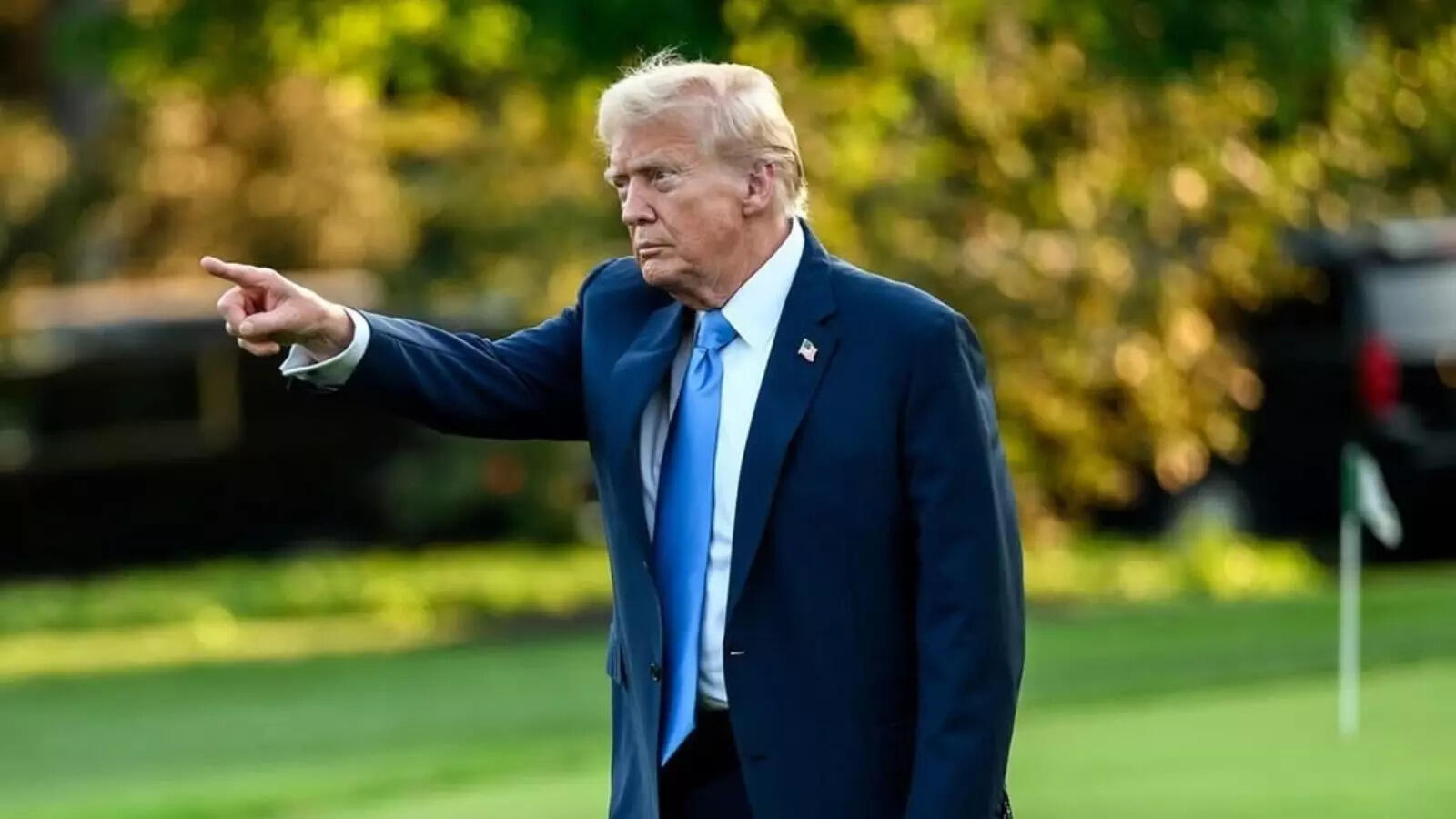
The Board of Peace is being promoted as an elite forum for overseeing Gaza’s reconstruction and post-war governance. Chaired by Trump, the board includes high-profile international figures and could extend its influence beyond Gaza to shape broader global security frameworks. Participation offers India a chance to influence reconstruction efforts, yet carries risks of being perceived as bypassing the United Nations.
The board requires a substantial financial contribution for permanent membership and functions differently from traditional UN structures. Decisions are likely to be selective and influenced by powerful participants. For India, this creates a dilemma between maintaining credibility as a defender of multilateralism and securing a voice in high-level discussions on peace and reconstruction.
Staying away from the board is also not without cost. Opting out could leave strategic space to other countries and reduce India’s influence on emerging global platforms where decisions on conflict resolution and reconstruction are being made.
Ambiguity and Regional Sensitivities
The board’s charter reportedly avoids explicit limits, raising questions about its future role in other conflicts. India must carefully navigate participation while continuing to support a two-state solution and maintain balanced ties with Israel.
Adding to the challenge, Pakistan has also reportedly been invited to the board, which could create regional friction. While India has ruled out contributing troops to non-UN missions, sharing the platform with Pakistan could draw domestic scrutiny and complicate diplomatic optics.
Joining the Trump-led board could expand India’s global influence but requires meticulous diplomacy. Balancing the risks of association with Trump’s populist policies against the benefits of participating in reconstruction and peace efforts will be key. India must ensure that its engagement preserves credibility, aligns with long-term multilateral goals, and safeguards its regional and international reputation.
The Board of Peace is being promoted as an elite forum for overseeing Gaza’s reconstruction and post-war governance. Chaired by Trump, the board includes high-profile international figures and could extend its influence beyond Gaza to shape broader global security frameworks. Participation offers India a chance to influence reconstruction efforts, yet carries risks of being perceived as bypassing the United Nations.
The Tightrope for India
The board requires a substantial financial contribution for permanent membership and functions differently from traditional UN structures. Decisions are likely to be selective and influenced by powerful participants. For India, this creates a dilemma between maintaining credibility as a defender of multilateralism and securing a voice in high-level discussions on peace and reconstruction.
Staying away from the board is also not without cost. Opting out could leave strategic space to other countries and reduce India’s influence on emerging global platforms where decisions on conflict resolution and reconstruction are being made.
You may also like
 Bihar NEET aspirant death case: Protests escalate; FSL report expected in 5-6 days
 Is Rohit Sharma Losing The Hunger? Simon Doull Raises 2027 World Cup Concern After NZ Series
- Is something brewing between Rajesh Khanna's granddaughter Naomika Saran and Vedang Raina? Check viral video
- CPI(M) mirroring Sangh, endangering Kerala's secular core: LoP Satheesan
 Stebin Ben Ties the Knot in Custom Shantnu & Nikhil Ceremonial Couture
Ambiguity and Regional Sensitivities
The board’s charter reportedly avoids explicit limits, raising questions about its future role in other conflicts. India must carefully navigate participation while continuing to support a two-state solution and maintain balanced ties with Israel. Adding to the challenge, Pakistan has also reportedly been invited to the board, which could create regional friction. While India has ruled out contributing troops to non-UN missions, sharing the platform with Pakistan could draw domestic scrutiny and complicate diplomatic optics.
Strategic Considerations
Joining the Trump-led board could expand India’s global influence but requires meticulous diplomacy. Balancing the risks of association with Trump’s populist policies against the benefits of participating in reconstruction and peace efforts will be key. India must ensure that its engagement preserves credibility, aligns with long-term multilateral goals, and safeguards its regional and international reputation.






More from our partners


Loving Newspoint? Download the app now
