
India's Operation Sindoor: A Strategic Response to Pakistani Drone Attacks

On May 8, 2025, India announced it had successfully countered Pakistan's attempts to strike military installations in northern and western India using drones and missiles, retaliating with strikes on Pakistani air defense systems after Pakistan's earlier attack on April 22 in Kashmir’s Pahalgam, which resulted in 26 deaths and was claimed by The Resistance Front (TRF). Operation Sindoor was launched by India targeting nine terror sites in Pakistan and Pakistan-occupied Kashmir. The heightened tensions have led to increased security measures and high-level meetings in India to ensure national preparedness.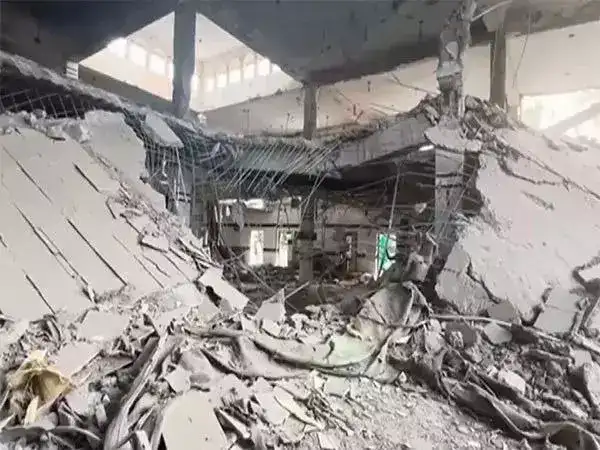
The Ministry of Defence reported that on the night of May 7-8, 2025, Pakistan targeted military locations in Northern and Western India. The targeted locations included Awantipura, Srinagar, Jammu, Pathankot, Amritsar, Kapurthala, Jalandhar, Ludhiana, Adampur, Bhatinda, Chandigarh, Nal, Phalodi, Uttarlai, and Bhuj. India stated that these attacks were neutralized by the Integrated Counter UAS Grid and Air Defence systems.
According to the Ministry of Defence, debris from the attacks is being recovered from several locations, confirming the Pakistani attacks.
In response to these attacks, Indian armed forces targeted Air Defence radars and systems at various locations in Pakistan. Lahore and Rawalpindi were among the locations targeted.
India's response was triggered by the Pahalgam terror attack on April 22, which resulted in the deaths of 26 people in Kashmir. The Resistance Front (TRF), a shadow group of Lashkar-e-Toiba (LeT), claimed responsibility for the attack.
Following the Pahalgam attack, India launched Operation Sindoor early on Wednesday. This operation targeted nine terror sites in Pakistan and Pakistan-occupied Kashmir.
The targeted facilities were located in Muzaffarabad, Kotli, Sialkot, Barnala, and Bahawalpur. These facilities were reportedly instrumental in the infiltration of Lashkar, Hizbul, and JeM terrorists into India.
Pakistan has confirmed that its Air Defence units, specifically HQ-9 air defence missile launchers, suffered heavy damage.
The ministry stated that the “Indian response has been in the same domain with same intensity as Pakistan”.
Pakistan also confirmed that an Air Defence system at Lahore was neutralized. They presented parts of what they claimed were Indian drones and reported that four people were injured in the Lahore attack.
The Ministry of Defence reported that Pakistan has increased the intensity of unprovoked firing across the Line of Control. Mortars and heavy calibre Artillery were used in areas including Kupwara, Baramulla, Uri, Poonch, Mendhar, and Rajouri sectors in Jammu and Kashmir.
The ministry stated that "Sixteen innocent lives have been lost, including three women and five children, due to Pakistani firing. Here too, India was compelled to respond to bring Mortar and Artillery fire from Pakistan to a halt. Indian Armed Forces reiterate their commitment to non-escalation, provided it is respected by the Pakistani military," said the statement.
The Indian Army released a statement regarding the situation in the Poonch sector.
The Indian Army stated: “Indian Army stands in solidarity with the innocent civilians who are victims of attacks orchestrated through indiscriminate artillery shelling by the adversary in the Poonch sector. The nefarious designs of our enemies have been and will continue to be thwarted with resolute and punitive action.”
Union Defence Minister Rajnath Singh addressed the airstrikes on Wednesday. He stated that the forces ensured that no innocents were killed and only those who perpetrated the Pahalgam attack were targeted.
Singh stated: “We only killed those who killed our innocents,” Singh said.
On Thursday, Singh briefed the Opposition on Operation Sindoor. He reported that around 100 terrorists were eliminated in the precision strikes. Singh also affirmed that India will not back down if Pakistan opts for any misadventure.
Prime Minister Narendra Modi convened a high-level meeting to review the security situation. National Security Advisor (NSA) Ajit Doval and Union Home Secretary Govind Mohan were present at the meeting.
Modi also chaired a meeting with secretaries of various ministries and departments. The purpose was to review national preparedness and assess inter-ministerial coordination in light of recent developments concerning national security.
During the meeting, PM Modi emphasized the importance of coordination among ministries and agencies.
According to a statement from the Prime Minister’s Office, Modi underlined the importance of “seamless coordination among ministries and agencies” to ensure operational continuity and institutional resilience. He reviewed the planning and preparation undertaken by ministries to deal with the current situation.
Secretaries were directed to conduct a comprehensive review of their ministry’s operations. They were instructed to ensure the fool-proof functioning of essential systems, with a specific focus on readiness, emergency response, and internal communication protocols.
The Ministry of Defence reported that on the night of May 7-8, 2025, Pakistan targeted military locations in Northern and Western India. The targeted locations included Awantipura, Srinagar, Jammu, Pathankot, Amritsar, Kapurthala, Jalandhar, Ludhiana, Adampur, Bhatinda, Chandigarh, Nal, Phalodi, Uttarlai, and Bhuj. India stated that these attacks were neutralized by the Integrated Counter UAS Grid and Air Defence systems.
According to the Ministry of Defence, debris from the attacks is being recovered from several locations, confirming the Pakistani attacks.
In response to these attacks, Indian armed forces targeted Air Defence radars and systems at various locations in Pakistan. Lahore and Rawalpindi were among the locations targeted.
India's response was triggered by the Pahalgam terror attack on April 22, which resulted in the deaths of 26 people in Kashmir. The Resistance Front (TRF), a shadow group of Lashkar-e-Toiba (LeT), claimed responsibility for the attack.
Following the Pahalgam attack, India launched Operation Sindoor early on Wednesday. This operation targeted nine terror sites in Pakistan and Pakistan-occupied Kashmir.
The targeted facilities were located in Muzaffarabad, Kotli, Sialkot, Barnala, and Bahawalpur. These facilities were reportedly instrumental in the infiltration of Lashkar, Hizbul, and JeM terrorists into India.
Pakistan has confirmed that its Air Defence units, specifically HQ-9 air defence missile launchers, suffered heavy damage.
The ministry stated that the “Indian response has been in the same domain with same intensity as Pakistan”.
Pakistan also confirmed that an Air Defence system at Lahore was neutralized. They presented parts of what they claimed were Indian drones and reported that four people were injured in the Lahore attack.
The Ministry of Defence reported that Pakistan has increased the intensity of unprovoked firing across the Line of Control. Mortars and heavy calibre Artillery were used in areas including Kupwara, Baramulla, Uri, Poonch, Mendhar, and Rajouri sectors in Jammu and Kashmir.
The ministry stated that "Sixteen innocent lives have been lost, including three women and five children, due to Pakistani firing. Here too, India was compelled to respond to bring Mortar and Artillery fire from Pakistan to a halt. Indian Armed Forces reiterate their commitment to non-escalation, provided it is respected by the Pakistani military," said the statement.
The Indian Army released a statement regarding the situation in the Poonch sector.
The Indian Army stated: “Indian Army stands in solidarity with the innocent civilians who are victims of attacks orchestrated through indiscriminate artillery shelling by the adversary in the Poonch sector. The nefarious designs of our enemies have been and will continue to be thwarted with resolute and punitive action.”
Union Defence Minister Rajnath Singh addressed the airstrikes on Wednesday. He stated that the forces ensured that no innocents were killed and only those who perpetrated the Pahalgam attack were targeted.
Singh stated: “We only killed those who killed our innocents,” Singh said.
On Thursday, Singh briefed the Opposition on Operation Sindoor. He reported that around 100 terrorists were eliminated in the precision strikes. Singh also affirmed that India will not back down if Pakistan opts for any misadventure.
Prime Minister Narendra Modi convened a high-level meeting to review the security situation. National Security Advisor (NSA) Ajit Doval and Union Home Secretary Govind Mohan were present at the meeting.
Modi also chaired a meeting with secretaries of various ministries and departments. The purpose was to review national preparedness and assess inter-ministerial coordination in light of recent developments concerning national security.
During the meeting, PM Modi emphasized the importance of coordination among ministries and agencies.
According to a statement from the Prime Minister’s Office, Modi underlined the importance of “seamless coordination among ministries and agencies” to ensure operational continuity and institutional resilience. He reviewed the planning and preparation undertaken by ministries to deal with the current situation.
Secretaries were directed to conduct a comprehensive review of their ministry’s operations. They were instructed to ensure the fool-proof functioning of essential systems, with a specific focus on readiness, emergency response, and internal communication protocols.
Next Story