
From Allies To Enemies: What History Reveals About Israel Iran War

Once allies united by shared interests, Israel and Iran are now embroiled in one of the most dangerous escalations the Middle East has seen in decades. What began as quiet shadow warfare has exploded into direct and deadly conflict, with missile salvos, devastating airstrikes, and rising civilian casualties on both sides.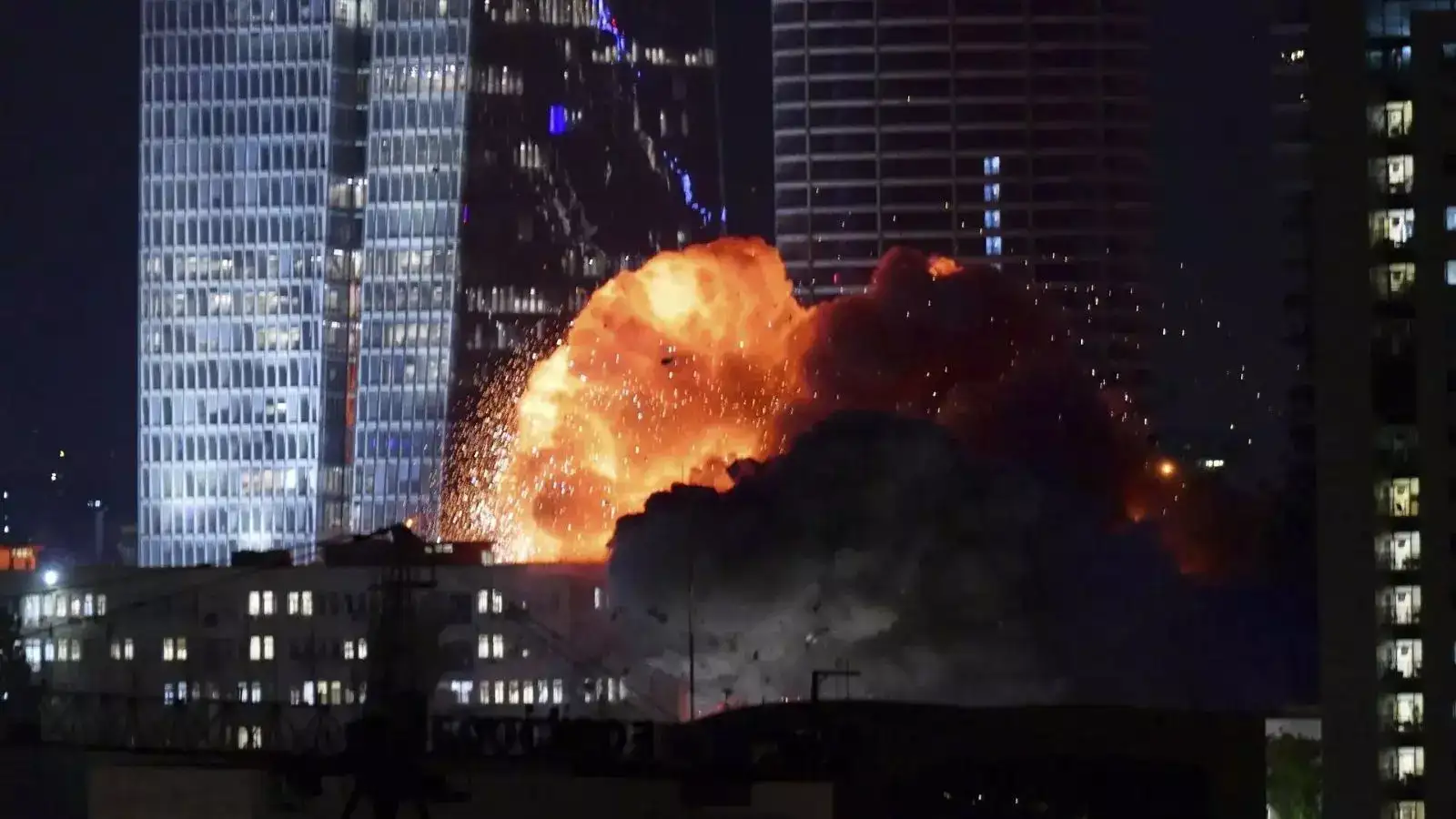
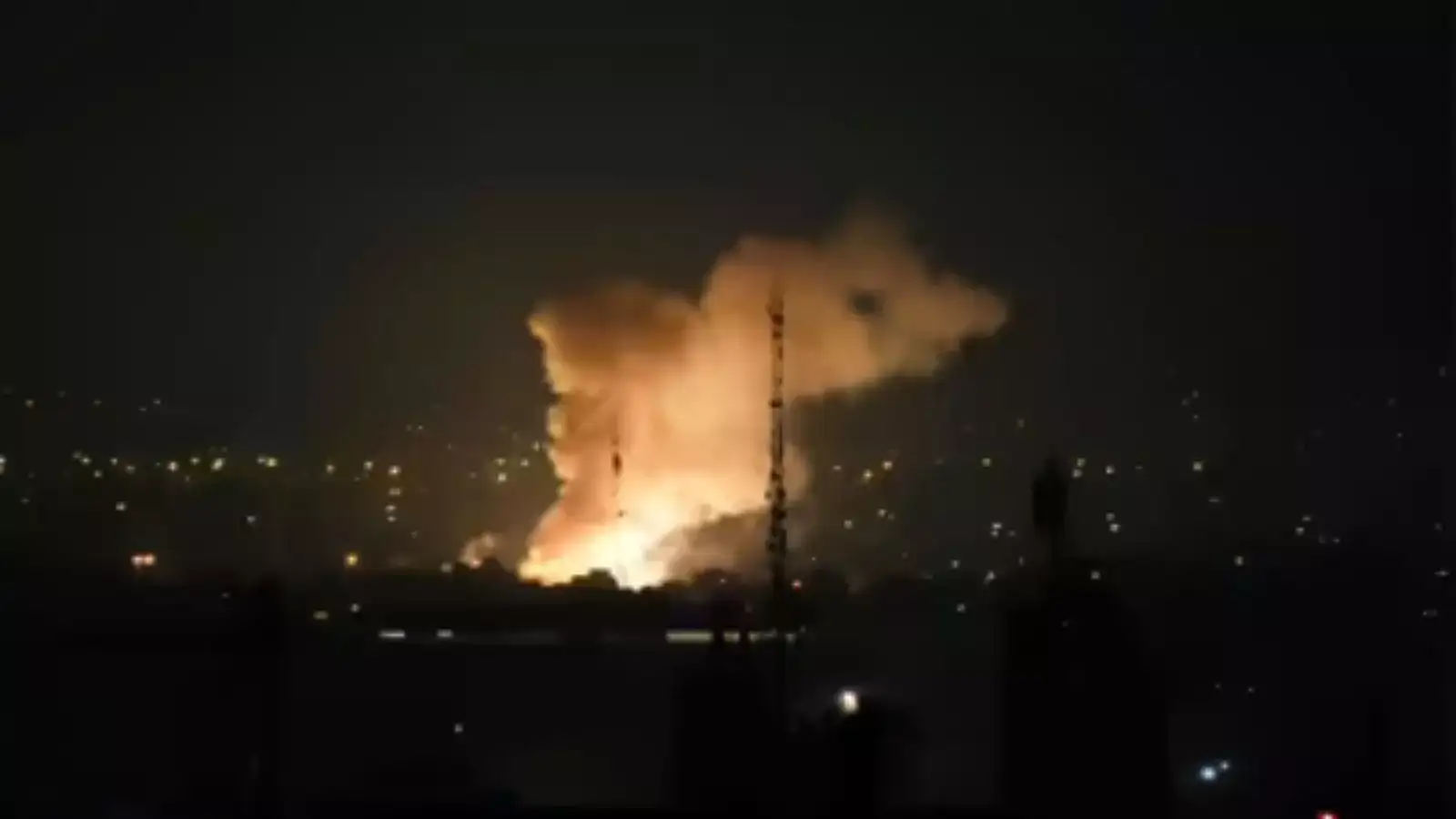
Historic Friendship, Broken by Revolution
Decades ago, the relationship between Israel and Iran was surprisingly warm. In 1948, while many Muslim-majority countries refused to recognise the newly formed Israeli state, Iran—under Shah Mohammad Reza Pahlavi—established ties with Israel, supported by the United States. The two nations shared military intelligence, traded oil, and cooperated economically.
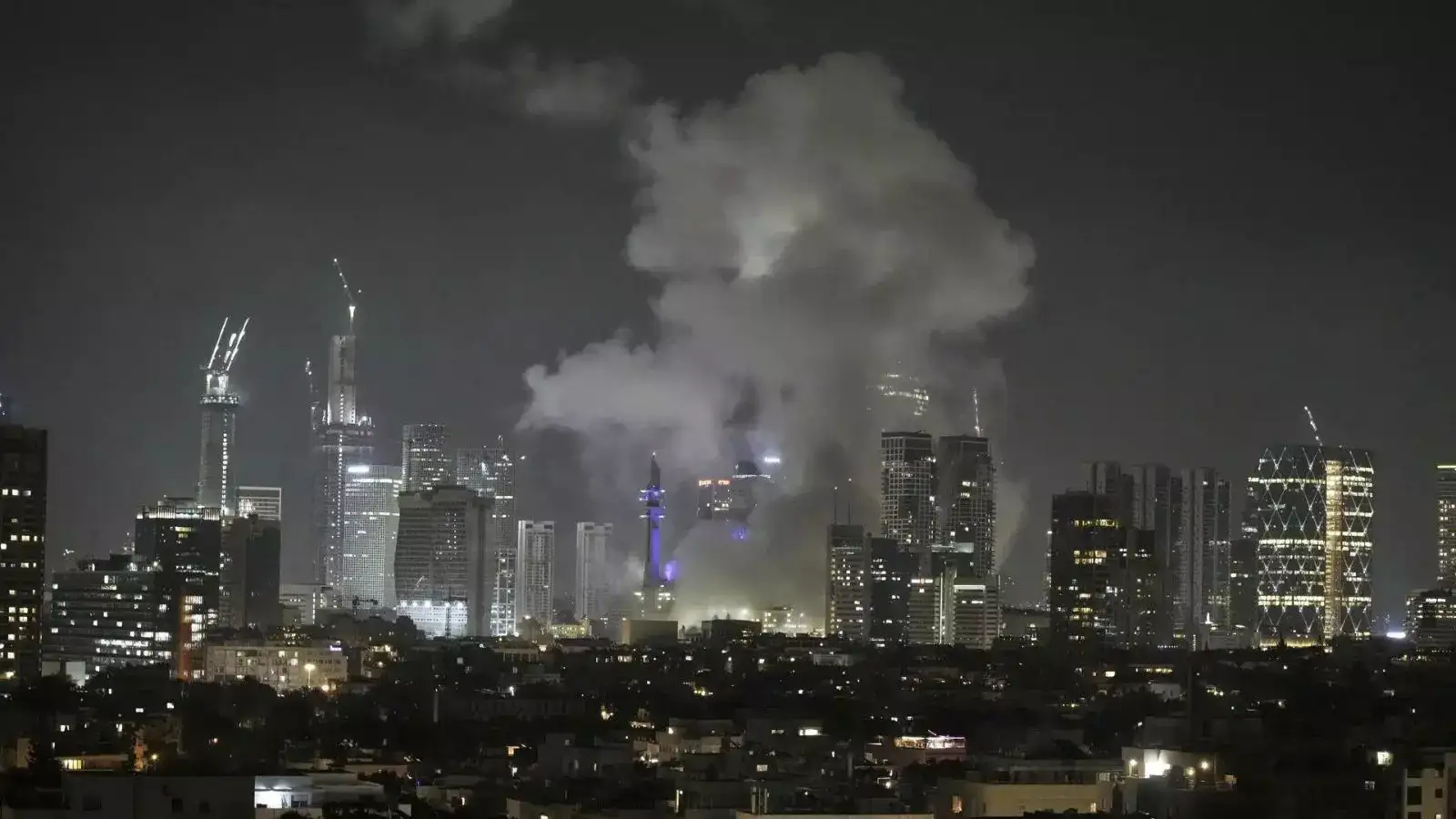
However, the tide turned in 1979 when Iran's Islamic Revolution overthrew the Shah. The new theocratic regime declared Israel an enemy of Islam. What followed was a swift collapse in diplomatic relations, and Iran soon banned Israeli passport holders, refusing to recognise “occupied Palestine.” Israel was branded “Little Satan,” and Iran began supporting anti-Israel militant groups like Hezbollah and later Hamas.
From Cold Shadows to Open Warfare
For years, the conflict remained in the shadows—cyber-attacks, covert assassinations, proxy warfare. But things changed dramatically in 2023 after Hamas’ October 7 attacks on Israel triggered massive Israeli retaliation. Tel Aviv launched sweeping strikes across Gaza, Lebanon, and beyond—crippling Hezbollah and Houthi strongholds.
Then came June 13, 2025. Israel launched “Operation Rising Lion,” targeting Iran’s nuclear and military infrastructure. Over 200 fighter jets dropped 330 bombs across six cities, including Tehran and the nuclear facility at Natanz. Covert Mossad operatives allegedly carried out sabotage missions deep within Iran. Iran claimed that most of the 78 killed were civilians. Among the dead were senior Revolutionary Guard commanders.
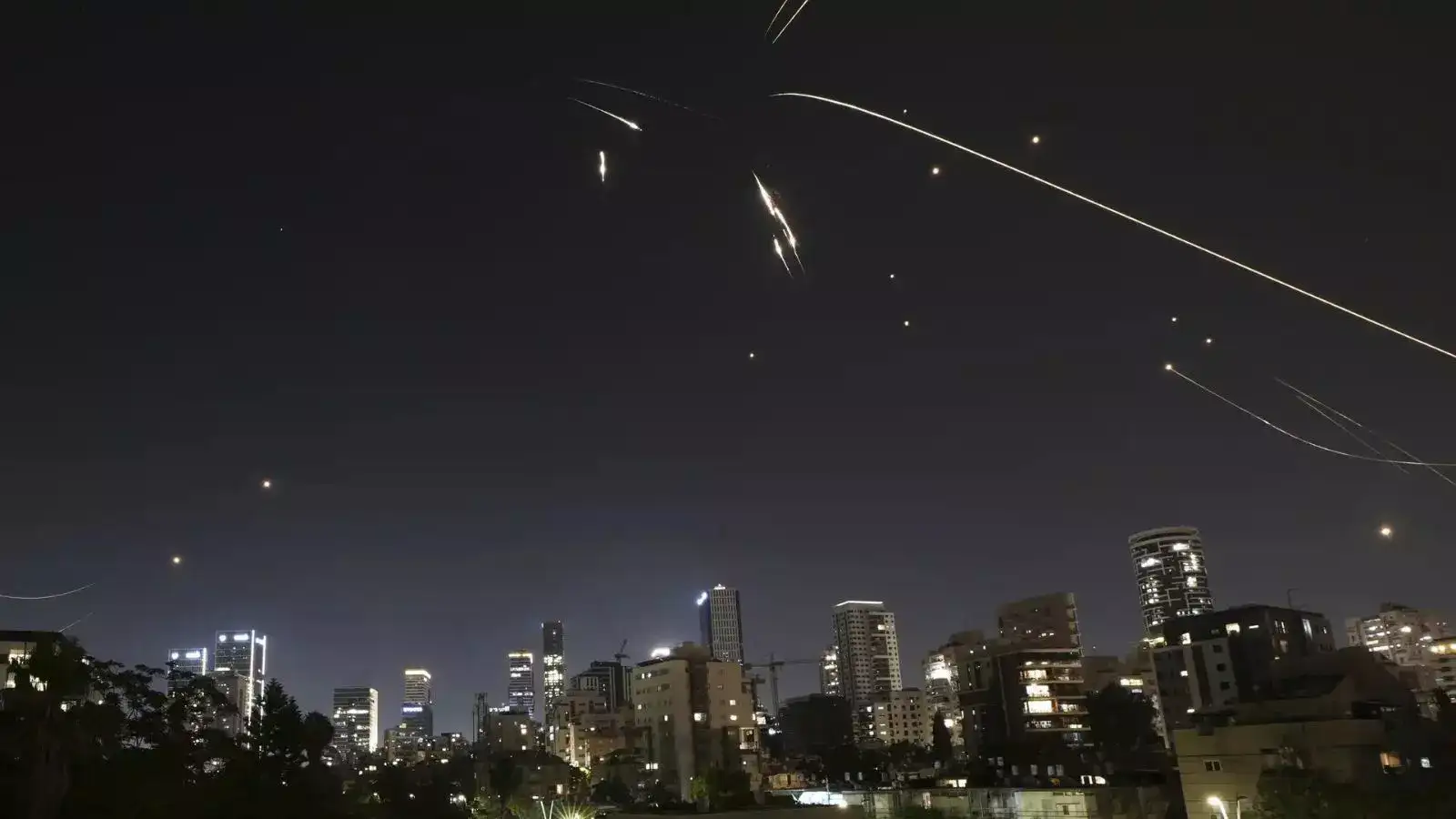
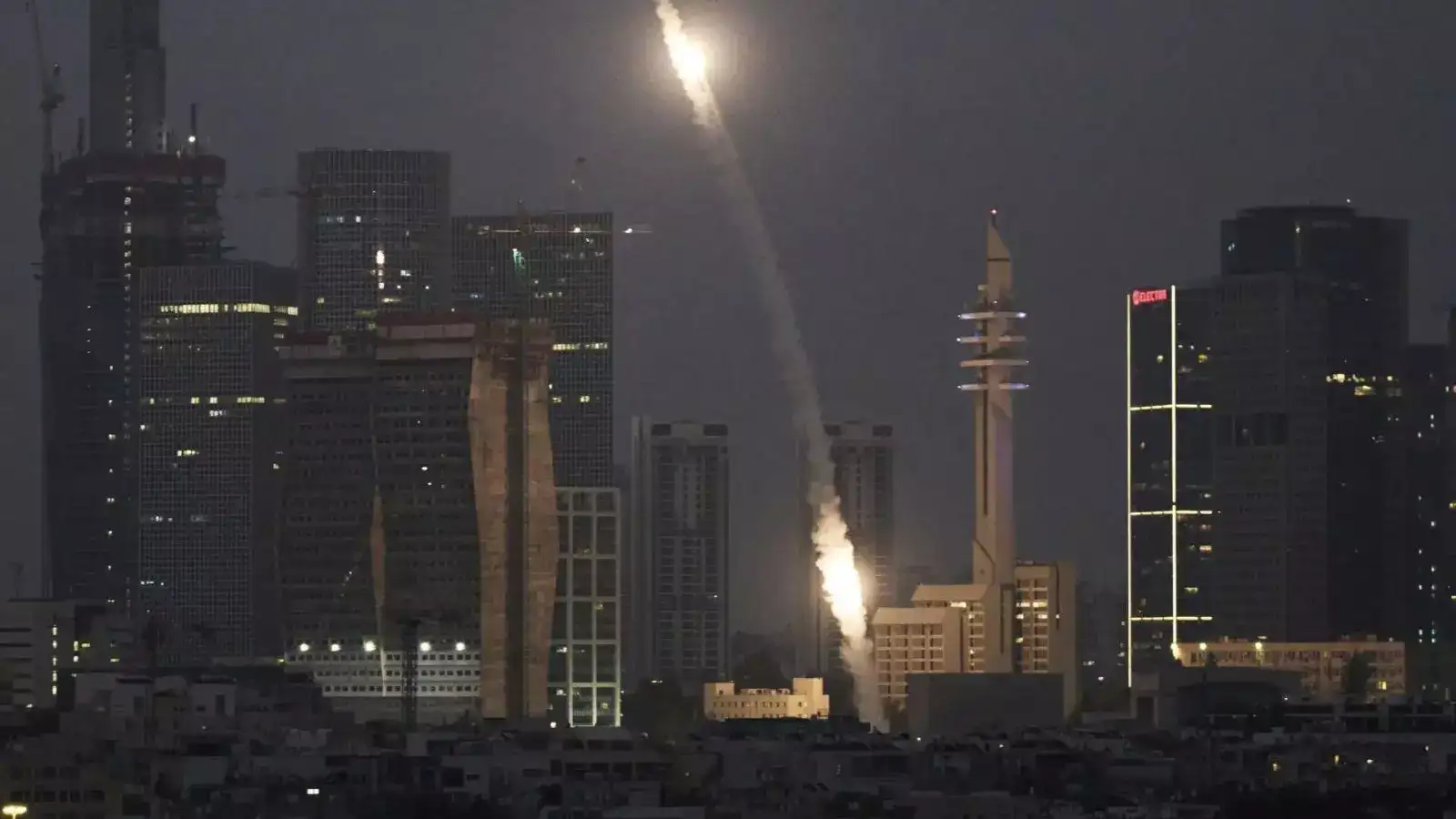
Iran swiftly retaliated with ballistic missiles and over 100 drones targeting Israeli cities, including Tel Aviv. Some even slipped past Israel’s famed Iron Dome defence. The result was devastation in cities like Bat Yam and Haifa. As of June 17, over 224 Iranians and at least 24 Israelis had been killed. Millions have sought shelter as missile strikes continue on both sides.
The Escalation No One Wanted—Or Could Stop
On June 14, Iran’s military warned of regional spillover, hinting at possible strikes on U.S. bases. Civilian infrastructure—airports, oil refineries, and government buildings—have not been spared. Israel also claimed to have achieved aerial superiority and destroyed more than a third of Iran’s missile launchers.
Tensions hit new highs when Israel reportedly killed Iran’s newly appointed wartime chief of staff, Ali Shadmani, just four days into his role. Iran, in turn, targeted Israel’s Military Intelligence Directorate and Mossad’s operational centre.
As both nations trade blows, diplomacy has all but collapsed. Iran called off nuclear talks with the U.S., saying it would not negotiate “under attack.” The UN’s nuclear watchdog recently declared Iran in breach of non-proliferation agreements, raising global alarms. Israel, citing intelligence that Iran was nearing nuclear weapons capability, justified the operation as a “historic necessity.”
A Conflict Without an Off-Ramp
With no ceasefire in sight and global leaders scrambling to de-escalate, the Israel-Iran conflict has taken on a dangerous new dimension. Once bound by diplomacy and shared goals, the two now find themselves at the edge of a wider regional war—fuelled by old grievances, new ambitions, and a deepening mistrust that shows no signs of fading.
Historic Friendship, Broken by Revolution
Decades ago, the relationship between Israel and Iran was surprisingly warm. In 1948, while many Muslim-majority countries refused to recognise the newly formed Israeli state, Iran—under Shah Mohammad Reza Pahlavi—established ties with Israel, supported by the United States. The two nations shared military intelligence, traded oil, and cooperated economically.
However, the tide turned in 1979 when Iran's Islamic Revolution overthrew the Shah. The new theocratic regime declared Israel an enemy of Islam. What followed was a swift collapse in diplomatic relations, and Iran soon banned Israeli passport holders, refusing to recognise “occupied Palestine.” Israel was branded “Little Satan,” and Iran began supporting anti-Israel militant groups like Hezbollah and later Hamas.
From Cold Shadows to Open Warfare
For years, the conflict remained in the shadows—cyber-attacks, covert assassinations, proxy warfare. But things changed dramatically in 2023 after Hamas’ October 7 attacks on Israel triggered massive Israeli retaliation. Tel Aviv launched sweeping strikes across Gaza, Lebanon, and beyond—crippling Hezbollah and Houthi strongholds.
Then came June 13, 2025. Israel launched “Operation Rising Lion,” targeting Iran’s nuclear and military infrastructure. Over 200 fighter jets dropped 330 bombs across six cities, including Tehran and the nuclear facility at Natanz. Covert Mossad operatives allegedly carried out sabotage missions deep within Iran. Iran claimed that most of the 78 killed were civilians. Among the dead were senior Revolutionary Guard commanders.
Iran swiftly retaliated with ballistic missiles and over 100 drones targeting Israeli cities, including Tel Aviv. Some even slipped past Israel’s famed Iron Dome defence. The result was devastation in cities like Bat Yam and Haifa. As of June 17, over 224 Iranians and at least 24 Israelis had been killed. Millions have sought shelter as missile strikes continue on both sides.
The Escalation No One Wanted—Or Could Stop
On June 14, Iran’s military warned of regional spillover, hinting at possible strikes on U.S. bases. Civilian infrastructure—airports, oil refineries, and government buildings—have not been spared. Israel also claimed to have achieved aerial superiority and destroyed more than a third of Iran’s missile launchers.
Tensions hit new highs when Israel reportedly killed Iran’s newly appointed wartime chief of staff, Ali Shadmani, just four days into his role. Iran, in turn, targeted Israel’s Military Intelligence Directorate and Mossad’s operational centre.
As both nations trade blows, diplomacy has all but collapsed. Iran called off nuclear talks with the U.S., saying it would not negotiate “under attack.” The UN’s nuclear watchdog recently declared Iran in breach of non-proliferation agreements, raising global alarms. Israel, citing intelligence that Iran was nearing nuclear weapons capability, justified the operation as a “historic necessity.”
A Conflict Without an Off-Ramp
With no ceasefire in sight and global leaders scrambling to de-escalate, the Israel-Iran conflict has taken on a dangerous new dimension. Once bound by diplomacy and shared goals, the two now find themselves at the edge of a wider regional war—fuelled by old grievances, new ambitions, and a deepening mistrust that shows no signs of fading.
Next Story