
Paul Allen turned a 250-foot research vessel into a deep-sea wreck hunter; it found USS Indianapolis 5,500 metres below the Pacific


Paul Allen 's research vessel Petrel was built to monitor Norwegian offshore oil and gas infrastructure, but it went on to find some of the best-known ships lost in the Second World War. According to a Navy News Service report, Petrel's expedition crew located the wreck of USS Indianapolis , a ship sunk on 30 July 1945, in water more than 18,000 feet deep. The cruiser went down in 12 minutes, and only 316 or 317 of the 1,196 crewmen aboard survived, depending on which figure in the report is used. The Navy bought Petrel in 2022 and now operates it as Sarah Lynn.
Why did USS Indianapolis sink 5,500 metres below the Pacific
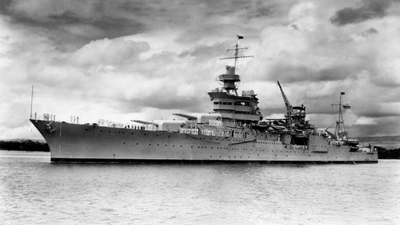
According to the US Department of War, the ship was torpedoed by a Japanese submarine in the early morning hours of 30 July 1945 and sank in 12 minutes. This made it impossible to send a distress signal or deploy much of its life-saving equipment. Before the attack, the report adds, Indianapolis had completed a secret mission delivering components of the atomic bomb used at Hiroshima. A photograph caption in the same report identifies the vessel as a Portland-class heavy cruiser. It says the ship was sunk in the Philippine Sea after delivering parts for the first atomic bomb used in combat to the US air base at Tinian.
1,196 crewmen were aboard, and about 300 went down with the ship. The rest faced exposure, dehydration, saltwater poisoning and shark attacks while floating with few lifeboats and almost no food or water. The Navy learned of the sinking only when survivors were spotted four days later by the crew of a PV-1 Ventura on routine patrol. The report gives two survivor figures: the caption says only 317 survived, while the main text says only 316 survived after four to five days in the water.
How did Paul Allen turn Petrel into a deep-sea wreck hunter
Petrel is a 250-foot vessel that Allen had recently acquired and retrofitted with state-of-the-art subsea equipment capable of diving three and a half miles. Robert Kraft, Allen's director of subsea operations, is quoted as saying that the team had assembled and integrated this technology, assets and capability into an operating platform. He described it as one of the very few on the planet. He adds that Petrel was originally built to monitor Norwegian offshore oil and gas infrastructure before Allen bought the ship in 2016. It states that Allen and his company Vulcan then outfitted the ship with millions of dollars of sensors and remotely operated vehicles for its new role as an underwater archaeology platform.
Another key factor in the discovery was research carried out in 2016 by Dr Richard Hulver, a historian with the Naval History and Heritage Command. His work identified a naval landing craft that had recorded a sighting of Indianapolis hours before it was torpedoed. This led to a new search area west of the original presumed position. Using that information, the research team developed a new position and estimated search area, which still covered 600 square miles of open ocean. The report also lists other discoveries by Allen-led expeditions: the Japanese battleship Musashi in March 2015 and the Italian destroyer Artigliere in March 2017. His team also retrieved and restored the ship's bell from HMS Hood for presentation to the British Navy.
How did the Petrel expedition survey the USS Indianapolis wreck
A 13-person expedition team on Petrel was surveying the full site and was due to conduct a live tour of the wreckage within a few weeks. Officials said the team's work complied with US law, treated the sunken ship as a war grave and did not disturb the site. Indianapolis remains the property of the US Navy, and its location will remain confidential and restricted by the Navy. It adds that the Petrel crew had collaborated with Navy authorities throughout the search and would continue to work on plans to honour the 22 crew members still alive at the time, as well as the families of all those who served on the cruiser.
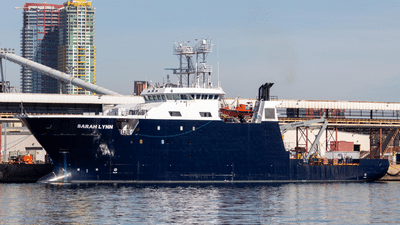
The Navy bought Petrel in 2022 for $12.5 million after the estate of Microsoft co-founder Allen liquidated some of his assets. It states that the ship capsized in a drydock in Scotland in 2023, causing unspecified damage. Officials confirmed that the ship, now named MV Sarah Lynn, is the former Petrel, and lists among the wrecks it found USS Juneau, the Japanese carrier Kaga and the carriers Lexington, Wasp and Hornet. Naval Facilities Engineering Systems Command told USNI News that the ship was rechristened in 2025 and is operated by Oceaneering International on behalf of the Navy. Its statement describes Sarah Lynn as a "multi-purpose maritime operations vessel".
Why did USS Indianapolis sink 5,500 metres below the Pacific
According to the US Department of War, the ship was torpedoed by a Japanese submarine in the early morning hours of 30 July 1945 and sank in 12 minutes. This made it impossible to send a distress signal or deploy much of its life-saving equipment. Before the attack, the report adds, Indianapolis had completed a secret mission delivering components of the atomic bomb used at Hiroshima. A photograph caption in the same report identifies the vessel as a Portland-class heavy cruiser. It says the ship was sunk in the Philippine Sea after delivering parts for the first atomic bomb used in combat to the US air base at Tinian.
1,196 crewmen were aboard, and about 300 went down with the ship. The rest faced exposure, dehydration, saltwater poisoning and shark attacks while floating with few lifeboats and almost no food or water. The Navy learned of the sinking only when survivors were spotted four days later by the crew of a PV-1 Ventura on routine patrol. The report gives two survivor figures: the caption says only 317 survived, while the main text says only 316 survived after four to five days in the water.
How did Paul Allen turn Petrel into a deep-sea wreck hunter
Petrel is a 250-foot vessel that Allen had recently acquired and retrofitted with state-of-the-art subsea equipment capable of diving three and a half miles. Robert Kraft, Allen's director of subsea operations, is quoted as saying that the team had assembled and integrated this technology, assets and capability into an operating platform. He described it as one of the very few on the planet. He adds that Petrel was originally built to monitor Norwegian offshore oil and gas infrastructure before Allen bought the ship in 2016. It states that Allen and his company Vulcan then outfitted the ship with millions of dollars of sensors and remotely operated vehicles for its new role as an underwater archaeology platform.
Another key factor in the discovery was research carried out in 2016 by Dr Richard Hulver, a historian with the Naval History and Heritage Command. His work identified a naval landing craft that had recorded a sighting of Indianapolis hours before it was torpedoed. This led to a new search area west of the original presumed position. Using that information, the research team developed a new position and estimated search area, which still covered 600 square miles of open ocean. The report also lists other discoveries by Allen-led expeditions: the Japanese battleship Musashi in March 2015 and the Italian destroyer Artigliere in March 2017. His team also retrieved and restored the ship's bell from HMS Hood for presentation to the British Navy.
How did the Petrel expedition survey the USS Indianapolis wreck
A 13-person expedition team on Petrel was surveying the full site and was due to conduct a live tour of the wreckage within a few weeks. Officials said the team's work complied with US law, treated the sunken ship as a war grave and did not disturb the site. Indianapolis remains the property of the US Navy, and its location will remain confidential and restricted by the Navy. It adds that the Petrel crew had collaborated with Navy authorities throughout the search and would continue to work on plans to honour the 22 crew members still alive at the time, as well as the families of all those who served on the cruiser.
The Navy bought Petrel in 2022 for $12.5 million after the estate of Microsoft co-founder Allen liquidated some of his assets. It states that the ship capsized in a drydock in Scotland in 2023, causing unspecified damage. Officials confirmed that the ship, now named MV Sarah Lynn, is the former Petrel, and lists among the wrecks it found USS Juneau, the Japanese carrier Kaga and the carriers Lexington, Wasp and Hornet. Naval Facilities Engineering Systems Command told USNI News that the ship was rechristened in 2025 and is operated by Oceaneering International on behalf of the Navy. Its statement describes Sarah Lynn as a "multi-purpose maritime operations vessel".
Next Story