
Tarique Rahman's aide alleges forged Hasina signature in fresh letter seeking passport, NID


DHAKA: Bangladesh has questioned the authenticity of a fresh letter reportedly sent by London-based Matrix Chambers to the Acting High Commissioner of Bangladesh in New Delhi concerning former Prime Minister Sheikh Hasina 's passport and National Identity Card (NID).
Prime Minister Tarique Rahman 's political aide Md Rashed Khan alleged that Hasina's signature had been forged in the letter sent to the Bangladesh High Commission in New Delhi.
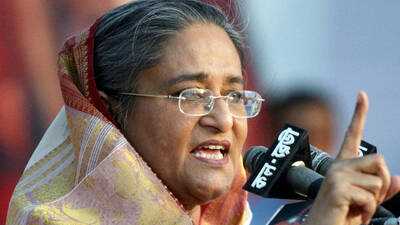
Bangladesh has repeatedly sought Hasina’s extradition, but India has declined to hand her over. She first announced in August her intention to return to Bangladesh in December.
In a Facebook post, Rashed claimed that officials at the Bangladesh High Commission had examined the letter and found evidence of signature forgery.
"I spoke in detail with an official working at the Bangladesh High Commission in New Delhi. After verification, they found that the signature on the letter had been forged," he said.
Rashed questioned how a different signature could be used in an application involving Hasina, arguing that an individual's signature should remain consistent with the one previously used and recognised in official documents, particularly the NID.
He claimed that Hasina had used her signature in Bengali in all official documents during her tenure as Prime Minister, and that any application of this nature should not carry a different or forged signature .
"Sheikh Hasina is one individual, and she should have only one signature," Rashed said, adding that a signature different from the one recorded in her NID could not legitimately be used in such an application.
He also questioned why the lawyers at Matrix Chambers had not checked the language of Hasina's signature before sending the letter.
"Thieves always leave some clues behind. Matrix Chambers has made the same mistake while allegedly forging Sheikh Hasina's signature in the letter," he said.
Rashed further remarked that the lawyers could have checked with Hasina whether she signed in Bengali or English before submitting the correspondence.
The documents in question were also shared by Awami League leaders through their verified social media accounts.
However, the authenticity of the letter and the allegation of forgery could not be independently verified.
In a letter emailed to the Bangladesh High Commission in New Delhi earlier this month, Hasina’s counsel urged the top diplomat to take necessary action to provide her with a passport and national identity card.
The letter, sent by London-based law firm Matrix Chambers, asked the mission for the application to be processed “expeditiously” on the basis of Hasina’s Bangladeshi nationality and in accordance with “obligations arising under international human rights instruments.”
Hasina fled to India after student-led protests had forced her from power on August 5, 2024 and had since then remained there.
In 2025, a Bangladeshi special tribunal sentenced her to death for crimes against humanity committed during the mass uprising, ruling that she had been responsible for ordering the crackdown, which left hundreds of people dead and thousands of others injured.
Prime Minister Tarique Rahman 's political aide Md Rashed Khan alleged that Hasina's signature had been forged in the letter sent to the Bangladesh High Commission in New Delhi.
Bangladesh has repeatedly sought Hasina’s extradition, but India has declined to hand her over. She first announced in August her intention to return to Bangladesh in December.
In a Facebook post, Rashed claimed that officials at the Bangladesh High Commission had examined the letter and found evidence of signature forgery.
"I spoke in detail with an official working at the Bangladesh High Commission in New Delhi. After verification, they found that the signature on the letter had been forged," he said.
Rashed questioned how a different signature could be used in an application involving Hasina, arguing that an individual's signature should remain consistent with the one previously used and recognised in official documents, particularly the NID.
He claimed that Hasina had used her signature in Bengali in all official documents during her tenure as Prime Minister, and that any application of this nature should not carry a different or forged signature .
"Sheikh Hasina is one individual, and she should have only one signature," Rashed said, adding that a signature different from the one recorded in her NID could not legitimately be used in such an application.
He also questioned why the lawyers at Matrix Chambers had not checked the language of Hasina's signature before sending the letter.
"Thieves always leave some clues behind. Matrix Chambers has made the same mistake while allegedly forging Sheikh Hasina's signature in the letter," he said.
Rashed further remarked that the lawyers could have checked with Hasina whether she signed in Bengali or English before submitting the correspondence.
The documents in question were also shared by Awami League leaders through their verified social media accounts.
However, the authenticity of the letter and the allegation of forgery could not be independently verified.
In a letter emailed to the Bangladesh High Commission in New Delhi earlier this month, Hasina’s counsel urged the top diplomat to take necessary action to provide her with a passport and national identity card.
The letter, sent by London-based law firm Matrix Chambers, asked the mission for the application to be processed “expeditiously” on the basis of Hasina’s Bangladeshi nationality and in accordance with “obligations arising under international human rights instruments.”
Hasina fled to India after student-led protests had forced her from power on August 5, 2024 and had since then remained there.
In 2025, a Bangladeshi special tribunal sentenced her to death for crimes against humanity committed during the mass uprising, ruling that she had been responsible for ordering the crackdown, which left hundreds of people dead and thousands of others injured.
Next Story