
Why Ancient Underground City Tunnels Still Capture the Attention of Modern Historians

Beneath many of the world’s busiest cities lies a hidden landscape most residents never think about. Long before modern transport systems existed, enormous underground tunnels were built for surprising purposes ranging from secret mail delivery to wartime survival.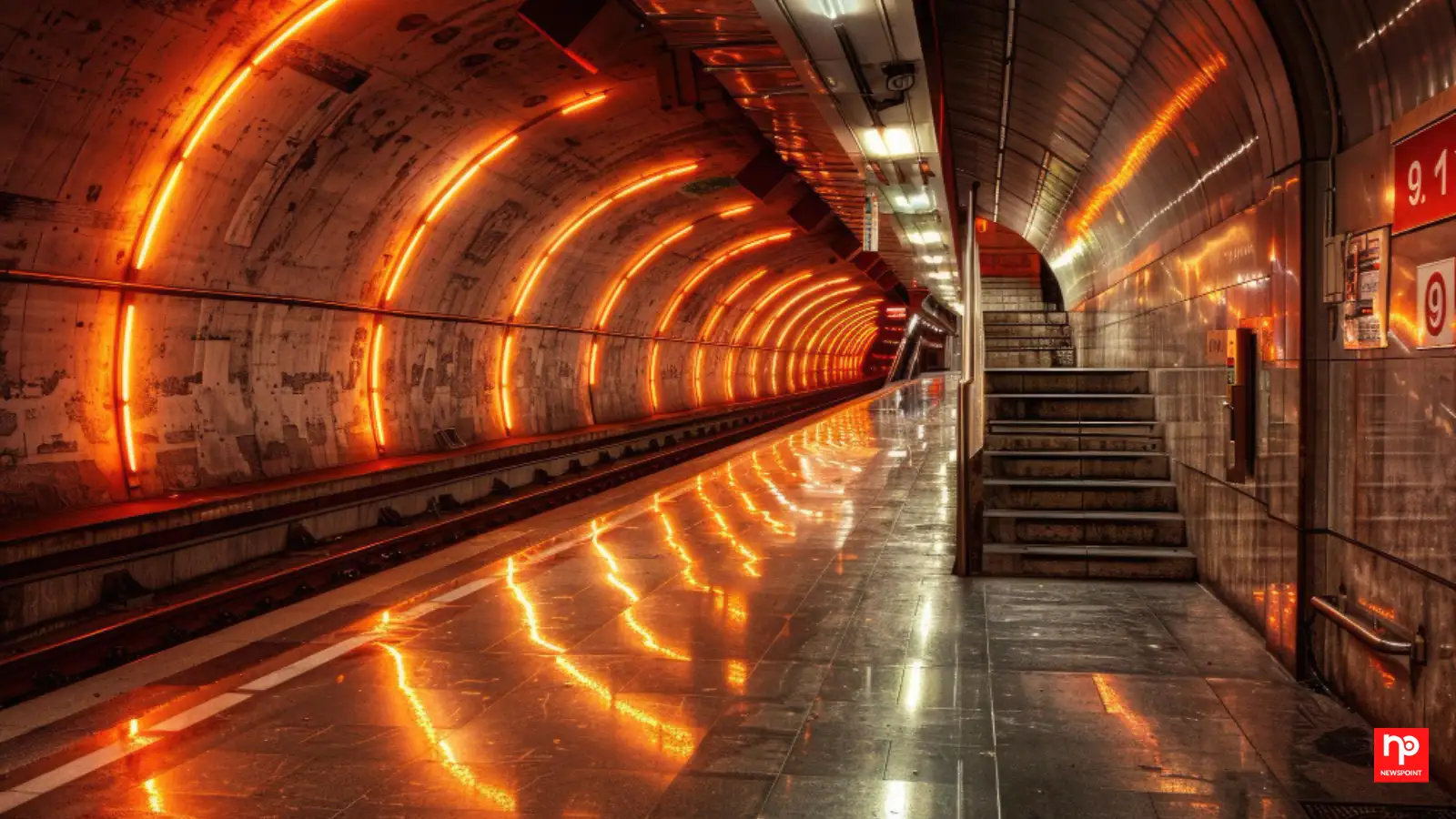
Some of these forgotten networks still exist today, sealed behind locked entrances and buried beneath ordinary streets.
The system operated silently through narrow tunnels, avoiding traffic congestion above ground. At its peak, it carried millions of pieces of mail daily between sorting offices.
Most London residents had no idea it existed beneath their feet.
Some tunnels were designed to hold thousands of people during air raids. Others contained emergency communication centres and supply rooms.
Even today, abandoned wartime chambers occasionally resurface during construction projects, revealing forgotten parts of urban history.
However, in 1992, disaster struck when a damaged tunnel wall allowed river water to flood large sections of the underground system. Buildings across the city centre suffered major disruption as basements and utility areas filled with water.
The event exposed how much hidden infrastructure still operated unnoticed beneath the city.
They reduced street congestion, protected essential services, and created safer transport routes during difficult periods. Some cities even experimented with underground pneumatic tube systems for sending documents rapidly across business districts.
Although many networks became obsolete, they remain fascinating examples of how cities adapted to technological limitations of the past.
Many tunnels are now unsafe or legally restricted, but occasional museum tours reveal parts of these forgotten worlds. Visitors often describe them as eerie reminders that cities contain far more history beneath the surface than most people imagine.
Modern urban life tends to focus upward with skyscrapers and digital technology. Yet beneath countless streets lies an older layer of innovation quietly hidden from view.
Some of these forgotten networks still exist today, sealed behind locked entrances and buried beneath ordinary streets.
London’s Secret Mail Railway
One of the strangest underground systems was London’s Mail Rail, a miniature electric railway built in the early twentieth century to transport letters beneath the city.The system operated silently through narrow tunnels, avoiding traffic congestion above ground. At its peak, it carried millions of pieces of mail daily between sorting offices.
Most London residents had no idea it existed beneath their feet.
Hidden Wartime Shelters
During the Second World War, several cities expanded underground infrastructure for civilian protection. Deep shelters were created beneath streets, train stations, and government buildings.Some tunnels were designed to hold thousands of people during air raids. Others contained emergency communication centres and supply rooms.
Even today, abandoned wartime chambers occasionally resurface during construction projects, revealing forgotten parts of urban history.
Chicago’s Freight Tunnel Disaster
Chicago once operated an extensive underground freight tunnel network beneath its downtown district. The tunnels transported coal, goods, and construction materials away from crowded streets above.You may also like
- PM Modi, Danish counterpart Mette Frederiksen discuss bilateral ties in Oslo
- Navy picks Bengaluru firm for high power microwave weapon system
- London Tube strike: New dates announced after May walkouts suspended; check June schedule
- Pakistan needs to stop crying wolf about IWT suspension: Report
- Pakistan sends troops, jets to Saudi Arabia amid US-Iran conflict
However, in 1992, disaster struck when a damaged tunnel wall allowed river water to flood large sections of the underground system. Buildings across the city centre suffered major disruption as basements and utility areas filled with water.
The event exposed how much hidden infrastructure still operated unnoticed beneath the city.
Why Cities Built Underground Systems
Before modern logistics and digital communication, underground tunnels solved practical urban problems.They reduced street congestion, protected essential services, and created safer transport routes during difficult periods. Some cities even experimented with underground pneumatic tube systems for sending documents rapidly across business districts.
Although many networks became obsolete, they remain fascinating examples of how cities adapted to technological limitations of the past.
The Mystery Still Attracts Urban Explorers
Abandoned tunnel systems continue to attract historians, engineers, and urban explorers fascinated by hidden architecture.Many tunnels are now unsafe or legally restricted, but occasional museum tours reveal parts of these forgotten worlds. Visitors often describe them as eerie reminders that cities contain far more history beneath the surface than most people imagine.
Modern urban life tends to focus upward with skyscrapers and digital technology. Yet beneath countless streets lies an older layer of innovation quietly hidden from view.






More from our partners


Loving Newspoint? Download the app now
