
Washington upgraded 7,474 low-income homes with weatherization, cutting energy costs by $1.4 million and supporting about 180 jobs


Washington ’s low-income weatherisation programme upgraded 7,474 households between July 2009 and June 2010, with the homes expected to receive about $1.4 million in direct energy savings . According to a report by the Washington Policy Centre, the average weatherised household was estimated to save roughly $189 a year through lower energy costs. The programme also reported wider economic benefits , including around 180 jobs created or retained during the period. However, the 2011 report examined the programme’s costs alongside its claimed benefits, noting that an average project cost $6,070 and that energy savings alone did not exceed programme costs under the scenarios assessed.

Washington households saved about $189 a year
The Department of Commerce figures put the direct energy savings associated with the 7,474 weatherised homes at $1.4 million. This was presented as one of the main benefits of the programme, alongside the number of households that received improvements.
The figures work out to roughly $187 in direct energy savings per weatherised household when the reported $1.4 million is divided across 7,474 homes. However, the report gives a more specific estimate of about $189 a year in direct energy savings for the average household, and that is the figure used in its discussion of household benefits.
Weatherisation delivered annual economic benefits
Commerce estimated that the average weatherised household would receive nearly $385 in total annual economic benefit. Of that amount, less than half was attributed to direct energy savings, which the report puts at roughly $189 per year.
The remaining $196 per year was attributed to non-energy benefits, including lower delinquent bills, improved comfort, higher home values and reduced emissions. The report also noted that Commerce acknowledged uncertainty around these indirect benefits because they are difficult to measure. It quoted the Commerce report as saying: “Because non-energy benefits are difficult to measure, there is some uncertainty in our estimates.”
Washington weatherisation projects created 180 jobs
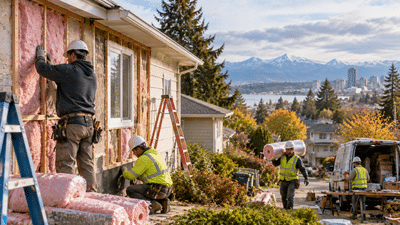
The weatherisation programme was not only intended to reduce household energy costs . During the recession, policymakers also presented weatherisation spending as a way to support employment. The Department of Commerce reported that approximately 180 jobs were created or retained as a direct result of the weatherisation projects during the programme's period.
The Washington Policy Centre’s 2011 report, however, examined the programme critically and argued that its economic and energy benefits needed to be considered alongside its costs. It noted that the average weatherisation project cost $6,070 and quoted the Commerce report as stating: “Note that energy benefits alone do not exceed Program costs for any of the scenarios.” The 7,474 weatherised homes and their energy savings are part of a wider debate over the programme’s overall cost-effectiveness, rather than simply an account of household savings.
Washington households saved about $189 a year
The Department of Commerce figures put the direct energy savings associated with the 7,474 weatherised homes at $1.4 million. This was presented as one of the main benefits of the programme, alongside the number of households that received improvements.
The figures work out to roughly $187 in direct energy savings per weatherised household when the reported $1.4 million is divided across 7,474 homes. However, the report gives a more specific estimate of about $189 a year in direct energy savings for the average household, and that is the figure used in its discussion of household benefits.
Weatherisation delivered annual economic benefits
Commerce estimated that the average weatherised household would receive nearly $385 in total annual economic benefit. Of that amount, less than half was attributed to direct energy savings, which the report puts at roughly $189 per year.
The remaining $196 per year was attributed to non-energy benefits, including lower delinquent bills, improved comfort, higher home values and reduced emissions. The report also noted that Commerce acknowledged uncertainty around these indirect benefits because they are difficult to measure. It quoted the Commerce report as saying: “Because non-energy benefits are difficult to measure, there is some uncertainty in our estimates.”
Washington weatherisation projects created 180 jobs
The weatherisation programme was not only intended to reduce household energy costs . During the recession, policymakers also presented weatherisation spending as a way to support employment. The Department of Commerce reported that approximately 180 jobs were created or retained as a direct result of the weatherisation projects during the programme's period.
The Washington Policy Centre’s 2011 report, however, examined the programme critically and argued that its economic and energy benefits needed to be considered alongside its costs. It noted that the average weatherisation project cost $6,070 and quoted the Commerce report as stating: “Note that energy benefits alone do not exceed Program costs for any of the scenarios.” The 7,474 weatherised homes and their energy savings are part of a wider debate over the programme’s overall cost-effectiveness, rather than simply an account of household savings.
Next Story