
Why Rice Reigns Supreme in South Asia: A Journey Through Culture, Cuisine, and Sustainability

Rice is more than just a staple food in South Asia - it’s a cultural cornerstone, a symbol of sustenance, and a way of life. With its deep roots in history and its importance in daily diets, rice reigns supreme across countries like India, Bangladesh, Sri Lanka, Nepal, and Pakistan. Let’s explore why this humble grain holds such a powerful position in South Asia.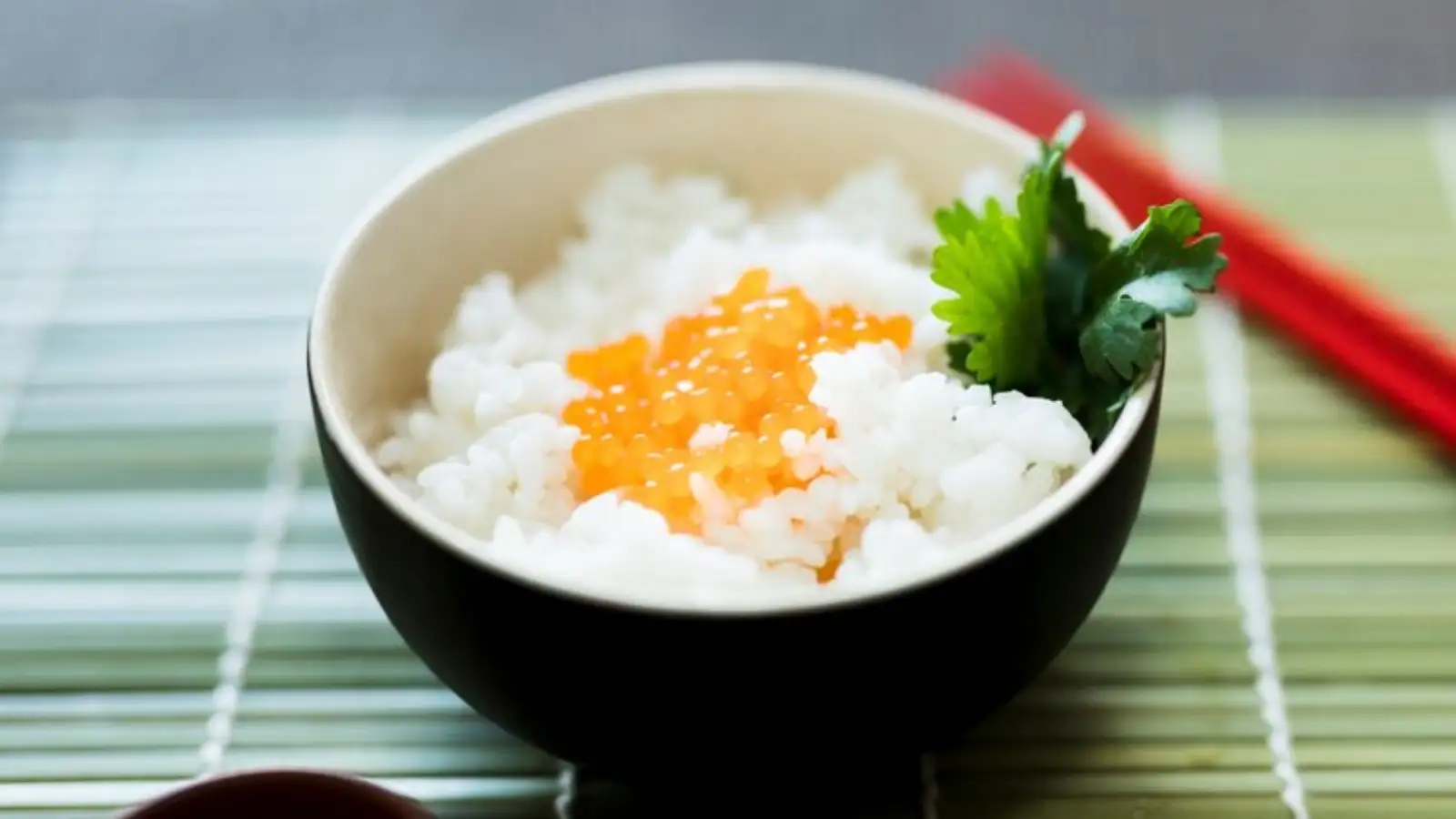
The Heart of Every Meal
Rice is the foundation of countless traditional dishes, from fragrant biryanis to soothing khichdi and hearty curries paired with steamed rice. Its versatility allows it to adapt to various cuisines, satisfying diverse palates. For many, a meal without rice feels incomplete, highlighting its unmatched cultural significance.
Perfect Fit for South Asian Agriculture
South Asia’s climate is ideal for rice cultivation. The region’s abundant monsoons, fertile plains, and tropical temperatures create the perfect conditions for growing rice. Countries like India and Bangladesh have vast rice paddies, with farmers relying on this crop for their livelihood.
Rich in Tradition and Festivals
Rice plays a central role in South Asian traditions and festivals. In Hindu culture, rice is often used in rituals symbolizing prosperity and fertility. Dishes like pongal in Tamil Nadu and payasam in Kerala are made during harvest festivals, celebrating the abundance that rice brings.
A Key to Food Security
Rice is a critical part of South Asia’s food security. As a cheap and nutritious carbohydrate source, it sustains millions, particularly in rural areas. Governments in countries like India provide subsidized rice through public distribution systems to combat hunger and poverty.
Export Powerhouse
South Asian countries , especially India, are among the largest exporters of rice globally. Varieties like Basmati and Sona Masuri are prized internationally for their quality and aroma. This export strength not only boosts economies but also cements rice’s global importance.
Health and Nutritional Value
While white rice dominates, healthier options like brown and red rice are gaining popularity. Rich in essential nutrients, rice provides energy and supports a balanced diet, making it indispensable in South Asian households.
From fields to festivals, rice weaves its way into every aspect of South Asian life. Its adaptability, cultural significance, and role in ensuring food security underscore why it remains the reigning grain of the region. As tastes evolve and traditions endure, rice continues to symbolize the spirit and sustenance of South Asia.
The Heart of Every Meal
Rice is the foundation of countless traditional dishes, from fragrant biryanis to soothing khichdi and hearty curries paired with steamed rice. Its versatility allows it to adapt to various cuisines, satisfying diverse palates. For many, a meal without rice feels incomplete, highlighting its unmatched cultural significance.
Perfect Fit for South Asian Agriculture
South Asia’s climate is ideal for rice cultivation. The region’s abundant monsoons, fertile plains, and tropical temperatures create the perfect conditions for growing rice. Countries like India and Bangladesh have vast rice paddies, with farmers relying on this crop for their livelihood.
Rich in Tradition and Festivals
Rice plays a central role in South Asian traditions and festivals. In Hindu culture, rice is often used in rituals symbolizing prosperity and fertility. Dishes like pongal in Tamil Nadu and payasam in Kerala are made during harvest festivals, celebrating the abundance that rice brings.
A Key to Food Security
Rice is a critical part of South Asia’s food security. As a cheap and nutritious carbohydrate source, it sustains millions, particularly in rural areas. Governments in countries like India provide subsidized rice through public distribution systems to combat hunger and poverty.
Export Powerhouse
South Asian countries , especially India, are among the largest exporters of rice globally. Varieties like Basmati and Sona Masuri are prized internationally for their quality and aroma. This export strength not only boosts economies but also cements rice’s global importance.
Health and Nutritional Value
While white rice dominates, healthier options like brown and red rice are gaining popularity. Rich in essential nutrients, rice provides energy and supports a balanced diet, making it indispensable in South Asian households.
From fields to festivals, rice weaves its way into every aspect of South Asian life. Its adaptability, cultural significance, and role in ensuring food security underscore why it remains the reigning grain of the region. As tastes evolve and traditions endure, rice continues to symbolize the spirit and sustenance of South Asia.
Next Story