
World's Countries Without Rivers: How They Still Have Plenty of Water

Did you know that several countries around the world have no rivers, yet still sustain life with plenty of water? While rivers are essential freshwater sources in most regions, geography and climate make it impossible for some nations to maintain permanent river systems. From vast deserts to tiny islands, these countries rely on innovative water solutions to thrive.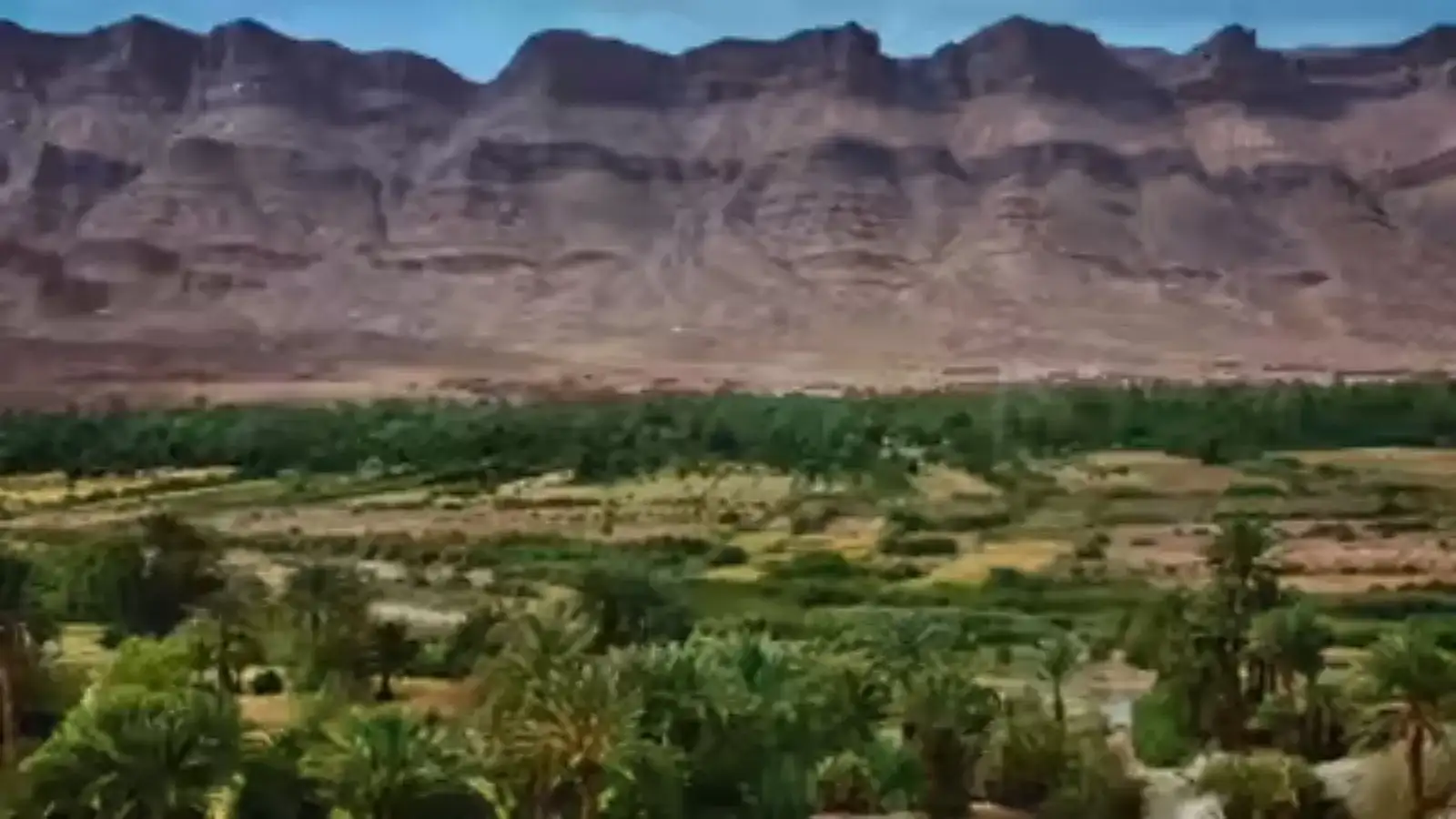
Why Some Countries Have No Rivers
The absence of rivers usually comes down to two major factors: climate and size. In arid regions, rainfall is minimal and evaporates quickly, preventing rivers from forming. For small islands or city-states, there is simply not enough land to support a natural river system.
Desert Nations Relying on Alternative Water Sources
Saudi Arabia
In Saudi Arabia, scorching temperatures and minimal rainfall make river formation nearly impossible. With no permanent rivers, the country depends heavily on desalination plants that turn seawater into drinking water.
Libya
Libya is another desert nation without rivers. Here, massive underground aquifers supply freshwater to millions, showing how groundwater can compensate for the lack of surface water.
Other Arid Countries
Several Middle Eastern nations also fall into this category, including Kuwait, Oman, Qatar, the United Arab Emirates, and Yemen, where dry climates and scarce rainfall limit natural river systems.
Small Island Nations Without Rivers
Comoros and Other Islands
Some countries are too small to host rivers. The Comoros, for example, has no rivers due to its limited size.
Other small island nations without rivers include:
Even the world’s tiniest nations are riverless. Vatican City and Monaco have no natural rivers, yet innovative water management ensures they have enough water for residents.
How These Countries Thrive Without Rivers
Despite lacking rivers, these nations have adapted remarkably:
Geography and Climate Shape Water Systems
From expansive deserts to compact islands, geography and climate play a decisive role in determining whether rivers can exist. Yet, even in the absence of rivers, human ingenuity has enabled life to flourish, proving that water scarcity can be overcome with the right strategies.
Why Some Countries Have No Rivers
The absence of rivers usually comes down to two major factors: climate and size. In arid regions, rainfall is minimal and evaporates quickly, preventing rivers from forming. For small islands or city-states, there is simply not enough land to support a natural river system.
Desert Nations Relying on Alternative Water Sources
Saudi Arabia
In Saudi Arabia, scorching temperatures and minimal rainfall make river formation nearly impossible. With no permanent rivers, the country depends heavily on desalination plants that turn seawater into drinking water.
Libya
Libya is another desert nation without rivers. Here, massive underground aquifers supply freshwater to millions, showing how groundwater can compensate for the lack of surface water.
Other Arid Countries
Several Middle Eastern nations also fall into this category, including Kuwait, Oman, Qatar, the United Arab Emirates, and Yemen, where dry climates and scarce rainfall limit natural river systems.
Small Island Nations Without Rivers
Comoros and Other Islands
Some countries are too small to host rivers. The Comoros, for example, has no rivers due to its limited size.
Other small island nations without rivers include:
- Bahamas
- Maldives
- Malta
- Bahrain
- Tiny City-States
Even the world’s tiniest nations are riverless. Vatican City and Monaco have no natural rivers, yet innovative water management ensures they have enough water for residents.
How These Countries Thrive Without Rivers
Despite lacking rivers, these nations have adapted remarkably:
- Desalination transforms seawater into potable water.
- Groundwater and aquifers serve as primary freshwater sources.
- Water management systems help conserve and distribute water efficiently.
Geography and Climate Shape Water Systems
From expansive deserts to compact islands, geography and climate play a decisive role in determining whether rivers can exist. Yet, even in the absence of rivers, human ingenuity has enabled life to flourish, proving that water scarcity can be overcome with the right strategies.
Next Story