
FairSquare Accuses Gianni Infantino of Violating FIFA Neutrality Rules

On December 9, 2025, FairSquare submitted an eight-page complaint to FIFA’s independent ethics committee, formally accusing Gianni Infantino of violating the organisation’s political neutrality rules. The complaint stems from Infantino’s public praise of Donald Trump , including remarks earlier in 2025 in which he suggested Trump should receive the Nobel Peace Prize.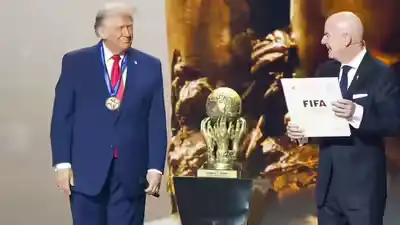
The immediate flashpoint occurred during the 2026 World Cup draw in Washington, D.C., on December 6, when Infantino awarded Trump the first-ever FIFA Peace Prize , presenting him with a gold trophy, medal, and certificate, and hailing him as a deserving global peace leader.
FIFA has long presented itself as politically and religiously neutral, regardless of host nations or political climates. Awarding a political figure like Trump, especially a sitting president and showering public praise constitutes an explicit political endorsement and, critics argue, contradicts the principles enshrined in FIFA’s code of ethics.
FairSquare contends not only that the act breaches neutrality, but that the creation and awarding of the Peace Prize lacked transparency: reportedly done without formal deliberation by the full FIFA Council or vice-presidents.
Infantino is no stranger to ethics scrutiny. After assuming office in 2016, following scandals involving his predecessor, investigations examined his use of private jets, hiring decisions, and internal compliance practices. Ultimately, the relevant chamber concluded that no violation of the FIFA Code of Ethics had occurred at the time. However, critics have long warned that structural governance issues within FIFA remain unresolved, and that formal exonerations do not necessarily dispel concerns over impartiality, transparency, and the concentration of power.
The ethics complaint urges the FIFA Ethics Committee to examine both Infantino’s personal endorsements and the legitimacy of the Peace Prize’s creation and awarding process.
If found guilty, Infantino could face sanctions ranging from warnings or reprimands, mandatory compliance training, fines up to a temporary ban from participating in football-related activities.
The broader implications: the case reignites debates about the credibility and governance of global sports bodies like FIFA, especially their capacity to remain neutral amid political pressure and influence.
The complaint against Infantino strikes at a core tension in global sports governance : the line between diplomacy/sporting pragmatism and political endorsement. On one hand, FIFA’s upcoming 2026 World Cup co-hosted by the U.S., Canada, and Mexico means interaction with political leaders is inevitable; engaging political stakeholders can ensure successful logistics, sponsorships, and diplomatic relationships.
On the other hand, the integrity of football hinges on perceived fairness, impartiality and non-partisanship. Awarding a political figure like Trump whose tenure has been polarising globally risks alienating fans, sponsors, and member associations who may view it as tacit approval of specific political ideologies.
Moreover, the opaque way the Peace Prize was created without visible deliberation or consensus among broader FIFA governance bodies raises fundamental questions about decision-making power and accountability at the top of FIFA. Critics argue this reflects deeper structural issues: centralized authority in the presidency, lack of checks and balances, and blurred lines between sporting governance and political influence.
If FIFA’s ethics committee takes the complaint seriously and issues sanctions, it could mark a turning point: signaling to member associations and stakeholders that even the highest official, the president, is not above the institution’s rules. But if the committee votes to dismiss or downplay the complaint, it may reinforce perceptions of immunity for powerful individuals and further erode trust in FIFA’s governance mechanisms.
For fans and observers around the world, including in football-passionate countries like India, this episode underscores a broader risk: the sport’s global credibility may suffer if major decisions increasingly reflect political expediency rather than sporting merit or collective governance.
The immediate flashpoint occurred during the 2026 World Cup draw in Washington, D.C., on December 6, when Infantino awarded Trump the first-ever FIFA Peace Prize , presenting him with a gold trophy, medal, and certificate, and hailing him as a deserving global peace leader.
FIFA has long presented itself as politically and religiously neutral, regardless of host nations or political climates. Awarding a political figure like Trump, especially a sitting president and showering public praise constitutes an explicit political endorsement and, critics argue, contradicts the principles enshrined in FIFA’s code of ethics.
FairSquare contends not only that the act breaches neutrality, but that the creation and awarding of the Peace Prize lacked transparency: reportedly done without formal deliberation by the full FIFA Council or vice-presidents.
Infantino is no stranger to ethics scrutiny. After assuming office in 2016, following scandals involving his predecessor, investigations examined his use of private jets, hiring decisions, and internal compliance practices. Ultimately, the relevant chamber concluded that no violation of the FIFA Code of Ethics had occurred at the time. However, critics have long warned that structural governance issues within FIFA remain unresolved, and that formal exonerations do not necessarily dispel concerns over impartiality, transparency, and the concentration of power.
The ethics complaint urges the FIFA Ethics Committee to examine both Infantino’s personal endorsements and the legitimacy of the Peace Prize’s creation and awarding process.
If found guilty, Infantino could face sanctions ranging from warnings or reprimands, mandatory compliance training, fines up to a temporary ban from participating in football-related activities.
The broader implications: the case reignites debates about the credibility and governance of global sports bodies like FIFA, especially their capacity to remain neutral amid political pressure and influence.
The complaint against Infantino strikes at a core tension in global sports governance : the line between diplomacy/sporting pragmatism and political endorsement. On one hand, FIFA’s upcoming 2026 World Cup co-hosted by the U.S., Canada, and Mexico means interaction with political leaders is inevitable; engaging political stakeholders can ensure successful logistics, sponsorships, and diplomatic relationships.
On the other hand, the integrity of football hinges on perceived fairness, impartiality and non-partisanship. Awarding a political figure like Trump whose tenure has been polarising globally risks alienating fans, sponsors, and member associations who may view it as tacit approval of specific political ideologies.
Moreover, the opaque way the Peace Prize was created without visible deliberation or consensus among broader FIFA governance bodies raises fundamental questions about decision-making power and accountability at the top of FIFA. Critics argue this reflects deeper structural issues: centralized authority in the presidency, lack of checks and balances, and blurred lines between sporting governance and political influence.
If FIFA’s ethics committee takes the complaint seriously and issues sanctions, it could mark a turning point: signaling to member associations and stakeholders that even the highest official, the president, is not above the institution’s rules. But if the committee votes to dismiss or downplay the complaint, it may reinforce perceptions of immunity for powerful individuals and further erode trust in FIFA’s governance mechanisms.
For fans and observers around the world, including in football-passionate countries like India, this episode underscores a broader risk: the sport’s global credibility may suffer if major decisions increasingly reflect political expediency rather than sporting merit or collective governance.






Loving Newspoint? Download the app now
