
From Striker to Suspect: Ivan Toney’s Arrest Fuels Debate on Fame & Responsibility

The football world was jolted on Saturday when news broke that England striker Ivan Toney had been arrested in central London after an alleged head-butt incident at a Soho bar. The arrest made at around 1:00 a.m. at 100 Wardour Street has triggered a storm of reactions, highlighting deeper tensions around fame, personal security, and accountability that come with high-profile athletes.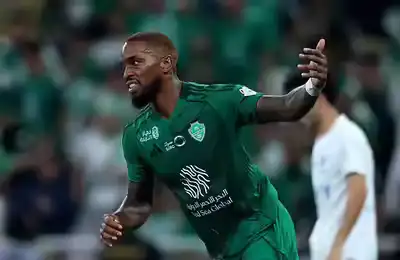
Eyewitness reports suggest the trouble began when a group of men recognised Toney, and one of them attempted to take a selfie by placing his hands around Toney’s neck. According to sources, Toney reacted defensively, telling the man to get off him before allegedly delivering a headbutt. The alleged victim reportedly suffered a bleeding nose and possibly other injuries. Toney was arrested on suspicion of two counts of assault and one count of affray.
For many, the incident is viewed through the lens of self-defence and the intense pressure that comes with fame. As one witness noted, Toney was wearing noticeable jewellery and a high-value watch, potentially making him a visible target, especially late at night in a crowded bar. That fear of being mugged or attacked resonates with some of his supporters, who argue that the star’s reaction, while regrettable, was a response driven by self-preservation rather than a premeditated act.
But others are far less forgiving. Pundits and fans alike argue that, as a professional athlete, Toney carries a responsibility to remain calm and de-escalate situations in public spaces. The alleged head-butt, they say, crosses a line.
The image of a player being led away in handcuffs - with his career, reputation, and future moves hanging in the balance - has already caused significant reputational damage.
This is not Toney’s first brush with controversy. In previous years, he faced serious sanctions for betting-rule breaches that resulted in an eight-month ban. Many believe this latest incident could further erode trust among fans, clubs, and potential suitors. For a striker once tipped for a return to the Premier League and a place in England’s 2026 World Cup squad, the timing could not be worse.
Emotionally, the reaction is polarised. Some stand with Toney out of empathy, acknowledging the feeling of being cornered, overwhelmed, or violated in a public setting. Others are disappointed, arguing that fame and money should go hand in hand with composure and responsibility. The debate echoes broader discussions about celebrity boundaries, public behaviour, and the pressures elite athletes face.
In the immediate term, Toney has been released on bail as police investigations continue. The consequences - legal, professional, and personal - remain uncertain. Clubs reportedly eyeing his return may now pause, waiting to see how the case develops. His fitness, character evaluation, and market value may all come under fresh scrutiny.
For supporters, the incident is a reminder that footballers are human with vulnerabilities, fears, and flaws. But it’s also a cautionary tale: living in the spotlight carries consequences. The next few weeks will be crucial: how Toney handles the aftermath in public statements, legal proceedings, and personal conduct could decide whether this becomes a blip in a career otherwise driven by goals, or a turning point overshadowing future ambitions.
Eyewitness reports suggest the trouble began when a group of men recognised Toney, and one of them attempted to take a selfie by placing his hands around Toney’s neck. According to sources, Toney reacted defensively, telling the man to get off him before allegedly delivering a headbutt. The alleged victim reportedly suffered a bleeding nose and possibly other injuries. Toney was arrested on suspicion of two counts of assault and one count of affray.
For many, the incident is viewed through the lens of self-defence and the intense pressure that comes with fame. As one witness noted, Toney was wearing noticeable jewellery and a high-value watch, potentially making him a visible target, especially late at night in a crowded bar. That fear of being mugged or attacked resonates with some of his supporters, who argue that the star’s reaction, while regrettable, was a response driven by self-preservation rather than a premeditated act.
But others are far less forgiving. Pundits and fans alike argue that, as a professional athlete, Toney carries a responsibility to remain calm and de-escalate situations in public spaces. The alleged head-butt, they say, crosses a line.
The image of a player being led away in handcuffs - with his career, reputation, and future moves hanging in the balance - has already caused significant reputational damage.
This is not Toney’s first brush with controversy. In previous years, he faced serious sanctions for betting-rule breaches that resulted in an eight-month ban. Many believe this latest incident could further erode trust among fans, clubs, and potential suitors. For a striker once tipped for a return to the Premier League and a place in England’s 2026 World Cup squad, the timing could not be worse.
Emotionally, the reaction is polarised. Some stand with Toney out of empathy, acknowledging the feeling of being cornered, overwhelmed, or violated in a public setting. Others are disappointed, arguing that fame and money should go hand in hand with composure and responsibility. The debate echoes broader discussions about celebrity boundaries, public behaviour, and the pressures elite athletes face.
In the immediate term, Toney has been released on bail as police investigations continue. The consequences - legal, professional, and personal - remain uncertain. Clubs reportedly eyeing his return may now pause, waiting to see how the case develops. His fitness, character evaluation, and market value may all come under fresh scrutiny.
For supporters, the incident is a reminder that footballers are human with vulnerabilities, fears, and flaws. But it’s also a cautionary tale: living in the spotlight carries consequences. The next few weeks will be crucial: how Toney handles the aftermath in public statements, legal proceedings, and personal conduct could decide whether this becomes a blip in a career otherwise driven by goals, or a turning point overshadowing future ambitions.
Next Story