
Classical Music And Brain Health: What's The Connection?

You may have heard the claim that listening to classical music makes you smarter. But is this just a myth, or does classical music really have an effect on the brain? Music, as they say, nourishes the soul, and in this article, we’ll explore how classical music can positively influence our brain and emotions.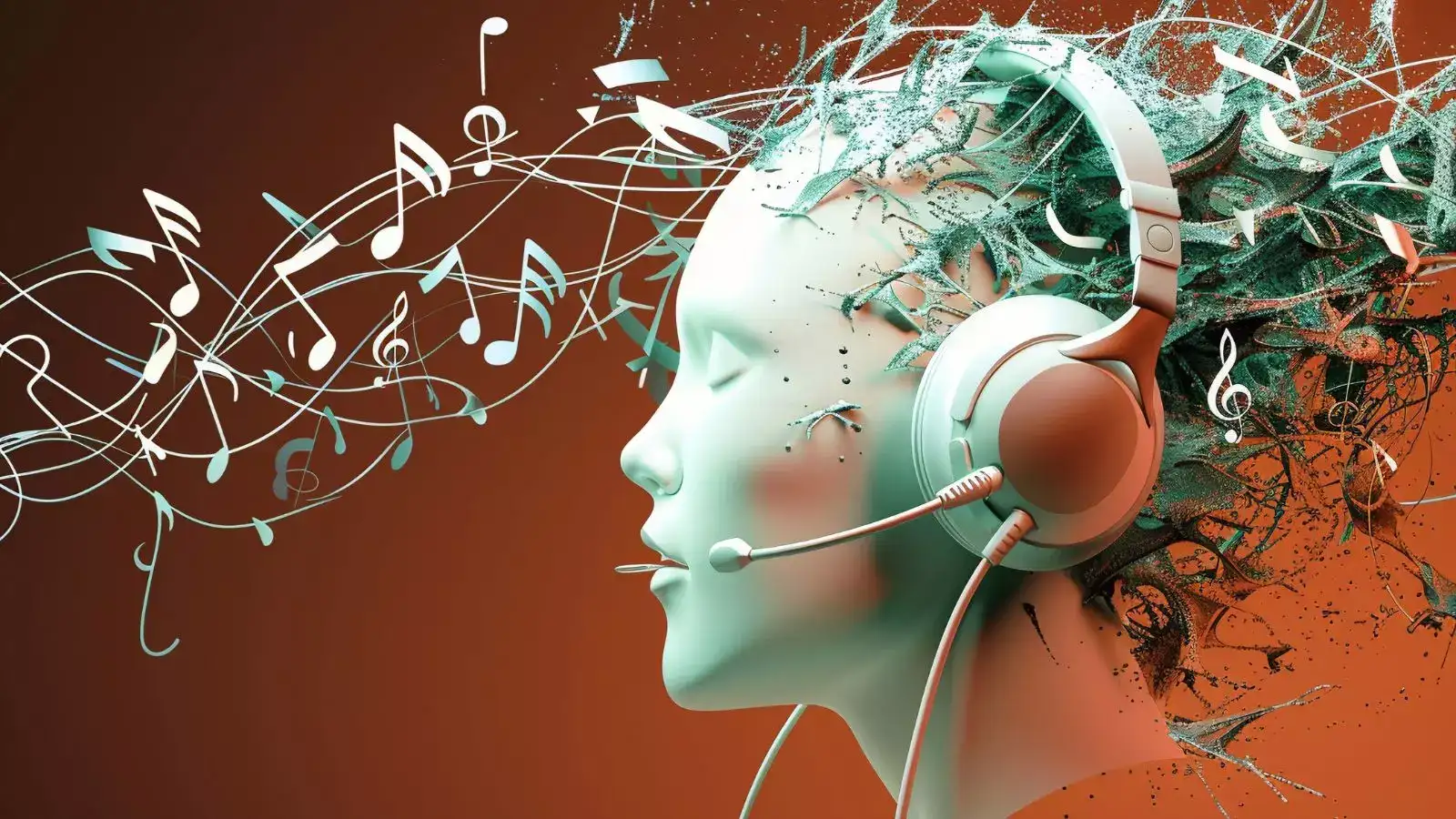
Why We Listen to Music
Humans have created and listened to music for centuries. Music has been a universal form of expression, possibly evolving from early forms of communication. Research from 2013 suggests that people listen to music for three primary reasons: mood regulation, self-awareness, and social connection. Music can trigger a variety of emotions—from joy to sadness, inspiration to tranquility—because it directly impacts how we feel.
How Music Affects the Brain
Different types of music can evoke different reactions in our brains. Upbeat, tense music can elevate heart rates and cause feelings of discomfort or energy, while soothing, melodic music can have a calming effect. According to a 2015 study by the BBC, staccato sounds tend to create tension, whereas longer, descending tones promote relaxation. In 2014, another study published in Nature revealed that music stimulates parts of the brain associated with emotions, explaining why music often triggers unique memories or feelings.
The Special Power of Classical Music
Classical music, in particular, has been linked to cognitive benefits. In 1993, Dr. Gordon Shaw conducted an experiment at the University of California, where students who listened to Mozart experienced increased IQ levels. While this study, known as the "Mozart Effect," is debated, many researchers agree that classical music positively influences the brain by enhancing abstract thinking and mental clarity. Calming classical music releases dopamine, which reduces stress, improves mood, and boosts productivity.
Music, Dopamine, and Focus
Dopamine, the "feel-good" chemical, is released when we listen to music that relaxes us. A 2011 experiment at McGill University found that dopamine levels increased by 9% when participants listened to music they enjoyed. Classical music, in particular, was shown to improve focus, aiding in performance and creativity.
Classical Music for Babies
Research also suggests that listening to classical music can aid brain development in infants. Babies exposed to classical music develop stronger memory skills and rhythmic recognition, which can later enhance language learning and overall cognitive function. Soothing classical music also keeps babies calm, promoting better growth and overall health.
The Mozart Effect: Myth or Reality?
The term "Mozart Effect" was coined by French researcher Dr. Alfred A. Tomatis, who believed listening to Mozart could have a mind-enhancing impact on the brain. Though the scientific evidence supporting this is limited, the idea remains popular, and many researchers still debate its validity.
While classical music may not magically raise IQ, it certainly has profound effects on our emotional and mental well-being. Whether it’s for enhancing focus, creativity, or relaxation, classical music offers benefits for both adults and children alike.
Why We Listen to Music
Humans have created and listened to music for centuries. Music has been a universal form of expression, possibly evolving from early forms of communication. Research from 2013 suggests that people listen to music for three primary reasons: mood regulation, self-awareness, and social connection. Music can trigger a variety of emotions—from joy to sadness, inspiration to tranquility—because it directly impacts how we feel.
How Music Affects the Brain
Different types of music can evoke different reactions in our brains. Upbeat, tense music can elevate heart rates and cause feelings of discomfort or energy, while soothing, melodic music can have a calming effect. According to a 2015 study by the BBC, staccato sounds tend to create tension, whereas longer, descending tones promote relaxation. In 2014, another study published in Nature revealed that music stimulates parts of the brain associated with emotions, explaining why music often triggers unique memories or feelings.
The Special Power of Classical Music
Classical music, in particular, has been linked to cognitive benefits. In 1993, Dr. Gordon Shaw conducted an experiment at the University of California, where students who listened to Mozart experienced increased IQ levels. While this study, known as the "Mozart Effect," is debated, many researchers agree that classical music positively influences the brain by enhancing abstract thinking and mental clarity. Calming classical music releases dopamine, which reduces stress, improves mood, and boosts productivity.
Music, Dopamine, and Focus
Dopamine, the "feel-good" chemical, is released when we listen to music that relaxes us. A 2011 experiment at McGill University found that dopamine levels increased by 9% when participants listened to music they enjoyed. Classical music, in particular, was shown to improve focus, aiding in performance and creativity.
Classical Music for Babies
Research also suggests that listening to classical music can aid brain development in infants. Babies exposed to classical music develop stronger memory skills and rhythmic recognition, which can later enhance language learning and overall cognitive function. Soothing classical music also keeps babies calm, promoting better growth and overall health.
The Mozart Effect: Myth or Reality?
The term "Mozart Effect" was coined by French researcher Dr. Alfred A. Tomatis, who believed listening to Mozart could have a mind-enhancing impact on the brain. Though the scientific evidence supporting this is limited, the idea remains popular, and many researchers still debate its validity.
While classical music may not magically raise IQ, it certainly has profound effects on our emotional and mental well-being. Whether it’s for enhancing focus, creativity, or relaxation, classical music offers benefits for both adults and children alike.
Next Story