
Businessman Recalls “Crying Like a Child” To Retrieve ₹5 Crore Loan From Rajpal Yadav; Says He Borrowed Funds For Actor’s Film

The ongoing Rajpal Yadav loan dispute has taken an emotional turn, as businessman Madhav Gopal Agarwal opened up about his prolonged struggle to recover funds he lent to Bollywood actor Rajpal Yadav more than a decade ago. The high-profile financial disagreement, now part of a cheque bounce case , has once again drawn attention following recent court proceedings.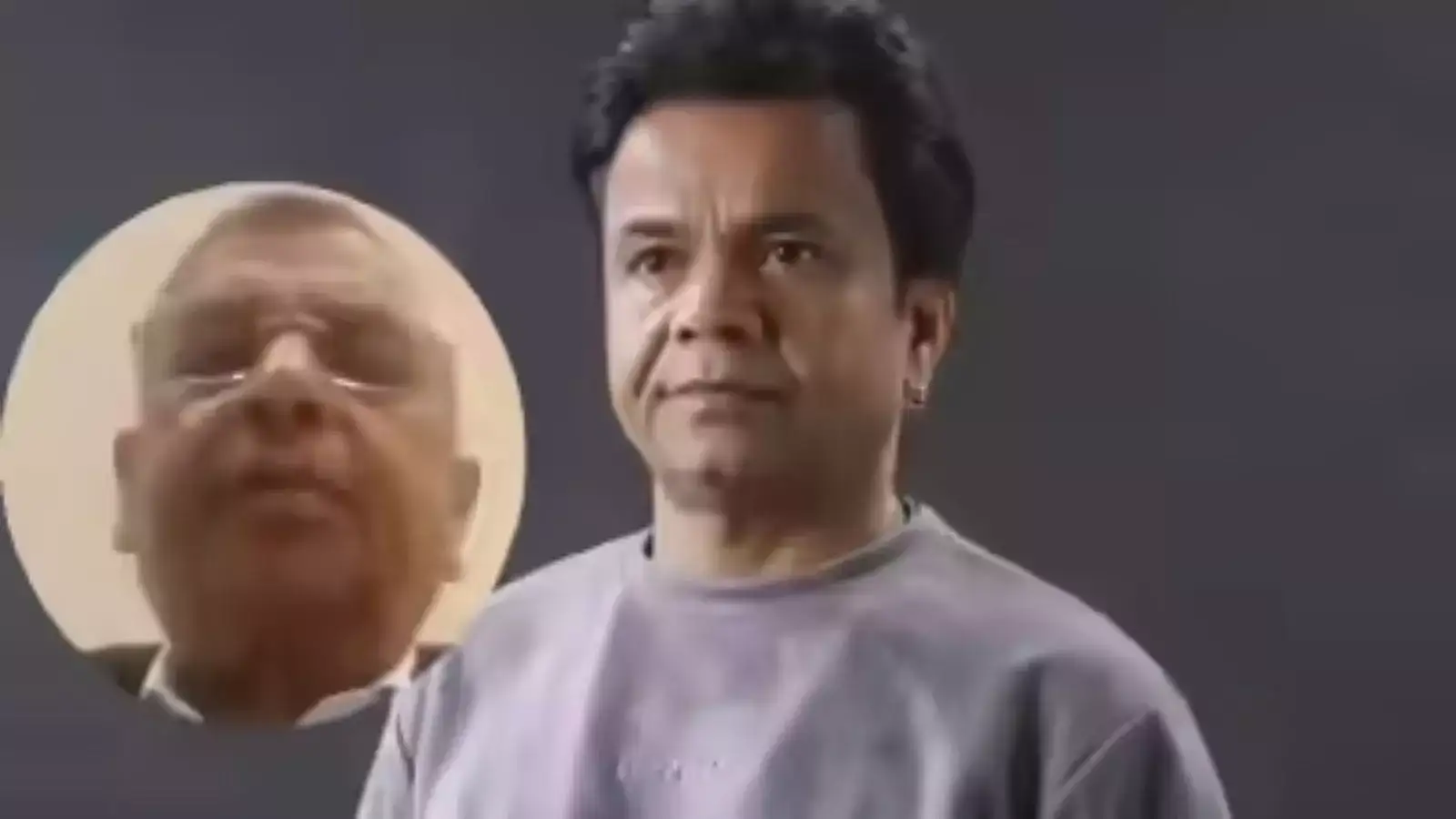
In a recent interview, Agarwal revealed that he first met Yadav through Member of Parliament Mithilesh Kumar Katheria, who introduced them when the actor was seeking funds to complete his directorial venture Ata Pata Laapata. Although initially hesitant, Agarwal agreed to lend ₹5 crore after repeated appeals from Yadav’s wife, Radha. The formal agreement included a personal guarantee and post-dated cheques, clearly stating that repayment would not depend on the film’s box office performance.
However, when the repayment deadlines passed without any settlement, Agarwal said he repeatedly approached the actor to seek clarity on a payment schedule. “I even went to his house and cried like a child,” Agarwal stated, adding that he had borrowed money from others to arrange the loan and was paying interest while waiting for Yadav to clear his dues.
Over the years, several supplementary agreements were signed and fresh cheques were issued. Most of these cheques were dishonoured, eventually escalating the matter into a full-fledged legal battle under cheque bounce provisions. With accumulated interest and penalties, the outstanding amount reportedly rose to nearly ₹9 crore. At one stage, Agarwal even sought a court stay on the release of Ata Pata Laapata, though he later withdrew it after assurances that repayment would follow. The film ultimately failed at the box office, but the financial dispute persisted.
The matter reached a critical stage when Yadav was sentenced to six months’ imprisonment in connection with the bounced cheques. However, the Delhi High Court recently granted him interim bail until March 18, subject to conditions including the submission of a bail bond and a partial deposit towards the outstanding amount. Agarwal maintains that his only objective is to recover the loan he extended, emphasising that the transaction was never an investment but a legally binding financial agreement backed by guarantees.
In a recent interview, Agarwal revealed that he first met Yadav through Member of Parliament Mithilesh Kumar Katheria, who introduced them when the actor was seeking funds to complete his directorial venture Ata Pata Laapata. Although initially hesitant, Agarwal agreed to lend ₹5 crore after repeated appeals from Yadav’s wife, Radha. The formal agreement included a personal guarantee and post-dated cheques, clearly stating that repayment would not depend on the film’s box office performance.
However, when the repayment deadlines passed without any settlement, Agarwal said he repeatedly approached the actor to seek clarity on a payment schedule. “I even went to his house and cried like a child,” Agarwal stated, adding that he had borrowed money from others to arrange the loan and was paying interest while waiting for Yadav to clear his dues.
Over the years, several supplementary agreements were signed and fresh cheques were issued. Most of these cheques were dishonoured, eventually escalating the matter into a full-fledged legal battle under cheque bounce provisions. With accumulated interest and penalties, the outstanding amount reportedly rose to nearly ₹9 crore. At one stage, Agarwal even sought a court stay on the release of Ata Pata Laapata, though he later withdrew it after assurances that repayment would follow. The film ultimately failed at the box office, but the financial dispute persisted.
The matter reached a critical stage when Yadav was sentenced to six months’ imprisonment in connection with the bounced cheques. However, the Delhi High Court recently granted him interim bail until March 18, subject to conditions including the submission of a bail bond and a partial deposit towards the outstanding amount. Agarwal maintains that his only objective is to recover the loan he extended, emphasising that the transaction was never an investment but a legally binding financial agreement backed by guarantees.






More from our partners


Loving Newspoint? Download the app now
