
Why Astrology Reads Compatibility from More Than the Sun Sign

Pick any two sun signs, compare them in a table, and you have answered roughly one question out of a dozen that astrology traditionally asks about two people. The sun sign is the most visible layer, but practitioners of both Vedic and Western astrology have long held that it is one of the least revealing when it comes to how two people actually get along day to day.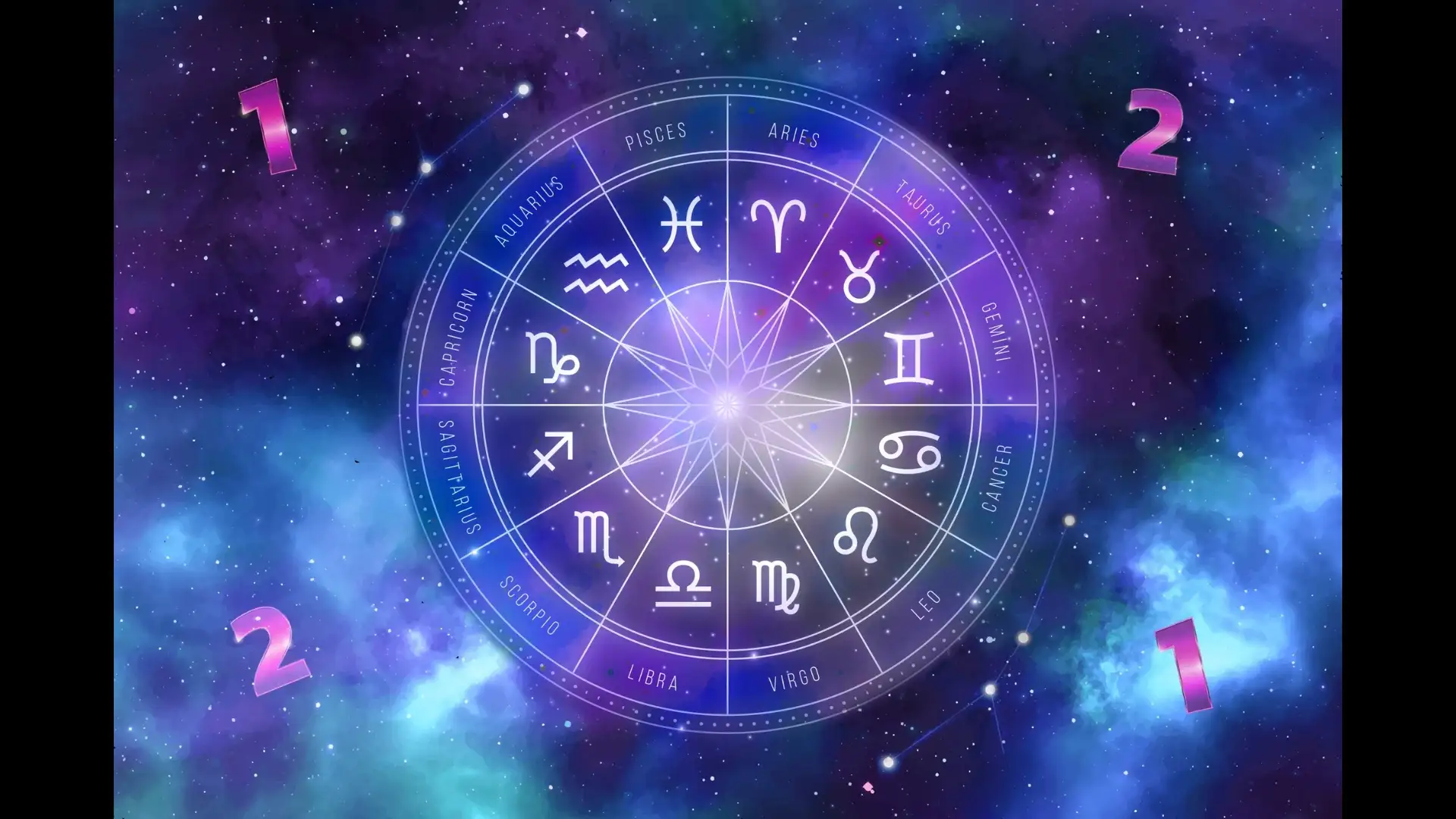
Sun sign compatibility works at the level of broad temperament. A fire sign and an air sign share a quality of energy and movement; an earth sign and a water sign often share a preference for depth and steadiness. These are tendencies, not destinies, and they describe only one facet of two people's charts.
Western astrology holds a similar view: the moon describes what a person needs to feel safe and nurtured. A partner whose chart speaks to those needs is, in this framework, more likely to provide the kind of daily closeness that makes a relationship feel secure. The sun may describe who you are; the moon describes what you need from the people you live with.
The rising sign also sets the house structure of the chart, which determines where another person's planets fall in your life. A partner's Venus landing in your seventh house means something different from it landing in your twelfth, and that kind of overlay is only visible when both full charts are placed together.
In Vedic astrology, the concept of Navamsha, a divisional chart used specifically for marriage and deep partnership, takes Venus and the seventh house lord into account alongside the main chart. A reading that stops at sun signs never reaches this layer at all.
The nakshatra, the lunar mansion the moon occupied at birth, carries particular weight here. Two people whose nakshatras fall in a harmonious relationship are described as having a natural attunement that goes deeper than what any sun sign comparison can reach. The nakshatra is invisible to anyone who only knows their sun sign.
Astrology, across both its major traditions, treats a relationship as a meeting of two complete systems, not two single symbols. The sun sign is the entry point most people know because it is the easiest to find. What the tradition actually examines is the full architecture of both charts and the dozens of points where they touch, reinforce, or challenge each other. A single sign comparison is, in that context, closer to a first glance than a reading.
Disclaimer: Astrology and zodiac compatibility are based on traditional beliefs and interpretations, not scientific evidence. This article is intended for general interest and entertainment purposes only and should not be considered a definitive guide to relationships or compatibility.
What the Sun Sign Actually Tells You
In Western astrology, the sun sign describes the core identity, the qualities a person expresses most consciously and the direction their will tends to move. In Vedic astrology, the sun governs the soul's purpose and the father's influence. Both traditions agree the sun matters. Neither treats it as the whole story of a relationship.Sun sign compatibility works at the level of broad temperament. A fire sign and an air sign share a quality of energy and movement; an earth sign and a water sign often share a preference for depth and steadiness. These are tendencies, not destinies, and they describe only one facet of two people's charts.
The Moon Sign and Emotional Compatibility
In Vedic astrology, the moon sign, called the rashi, is considered the primary indicator of the mind, emotions, and daily inner life. Many practitioners weight it more heavily than the sun sign when reading a relationship, because it governs how a person feels rather than how they present. Two people whose moon signs are harmonious, in Vedic terms, are said to find emotional comfort with each other more easily.Western astrology holds a similar view: the moon describes what a person needs to feel safe and nurtured. A partner whose chart speaks to those needs is, in this framework, more likely to provide the kind of daily closeness that makes a relationship feel secure. The sun may describe who you are; the moon describes what you need from the people you live with.
The Rising Sign and First-Layer Attraction
The ascendant, or lagna in Vedic astrology, describes the mask and the manner, the first impression a person makes and the way they move through the world. In compatibility readings, the rising signs of two people are examined because attraction often begins at this surface layer. A rising sign that harmonises with a partner's sun or moon is described in both traditions as creating a natural ease of recognition.The rising sign also sets the house structure of the chart, which determines where another person's planets fall in your life. A partner's Venus landing in your seventh house means something different from it landing in your twelfth, and that kind of overlay is only visible when both full charts are placed together.
Venus, Mars, and the Language of Desire
Venus governs what a person finds beautiful, how they express affection, and what they seek in a partner. Mars governs drive, assertion, and physical energy. In both traditions, a compatibility reading examines whether one person's Venus connects harmoniously with the other's Mars or Venus, because this is where the tradition locates the texture of romantic feeling rather than just general compatibility.In Vedic astrology, the concept of Navamsha, a divisional chart used specifically for marriage and deep partnership, takes Venus and the seventh house lord into account alongside the main chart. A reading that stops at sun signs never reaches this layer at all.
Ashtakoot and the Vedic Matching System
Vedic astrology has a formal compatibility framework called Ashtakoot Milan, which assigns points across eight categories derived from the moon signs and nakshatras of two people. These eight categories cover temperament, instinct, health, mental compatibility, progeny, affection, dominance, and a broad measure of overall harmony. The total out of 36 points gives a traditional score, with higher scores indicating greater compatibility across more dimensions.The nakshatra, the lunar mansion the moon occupied at birth, carries particular weight here. Two people whose nakshatras fall in a harmonious relationship are described as having a natural attunement that goes deeper than what any sun sign comparison can reach. The nakshatra is invisible to anyone who only knows their sun sign.
Astrology, across both its major traditions, treats a relationship as a meeting of two complete systems, not two single symbols. The sun sign is the entry point most people know because it is the easiest to find. What the tradition actually examines is the full architecture of both charts and the dozens of points where they touch, reinforce, or challenge each other. A single sign comparison is, in that context, closer to a first glance than a reading.
Disclaimer: Astrology and zodiac compatibility are based on traditional beliefs and interpretations, not scientific evidence. This article is intended for general interest and entertainment purposes only and should not be considered a definitive guide to relationships or compatibility.