
What Dreaming of Fire Means in Dream Lore and Tradition

Fire is one of the oldest symbols in human culture, and it carries that weight into sleep. Across folk traditions, dream interpretation systems, and ancient lore, a dream of fire is rarely read as a single thing, its meaning shifts with what the fire is doing, where it burns, and how the dreamer feels standing before it.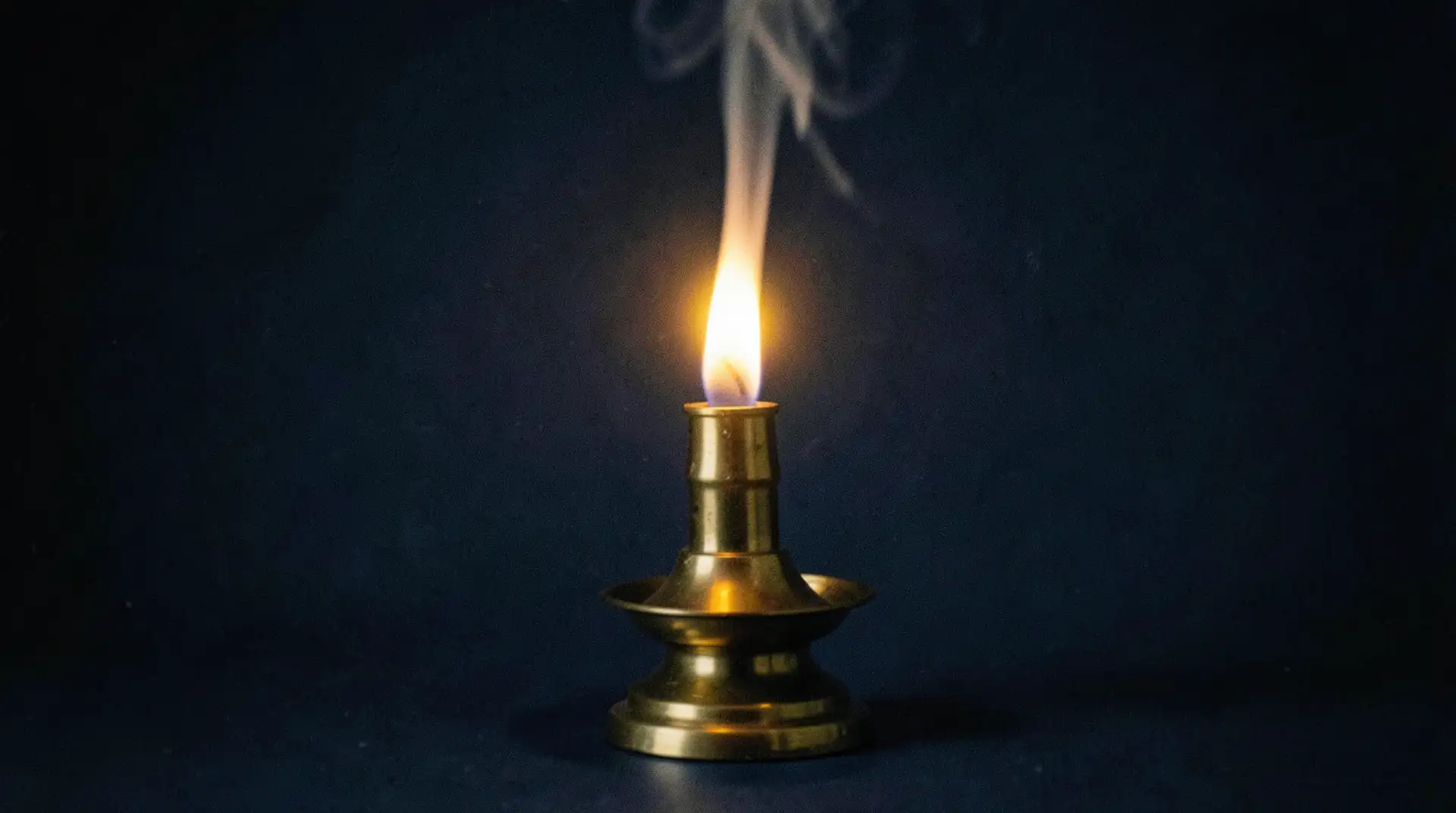
Traditional Indian dream interpretation, known in Sanskrit texts as swapna shastra, has long associated fire with purification and inner change. A flame that burns steadily and does not threaten the dreamer is often read, in this tradition, as a sign that something old is being cleared away to make room for what comes next.
The feeling matters here, a dreamer who watches fire without fear is said, in folk belief, to be at peace with a transition already underway.
In many South Asian folk traditions, a dream of a lit diya or a steady cooking fire is considered auspicious, a sign of the home's wellbeing. Wildfire or a blaze that spreads without check carries a different reading.
In older European dream manuals and in Vedic-influenced interpretation alike, an uncontrolled fire is often read as a signal that strong emotions, anger, longing, or unresolved grief, are pressing for attention. The fire does not punish; it points.
Watching fire from a distance, in much of folk dream lore, is associated with clarity, the dreamer sees something others around them do not yet see. Being burned, by contrast, is read in many traditions as the body's way of processing a situation that has already caused pain, or one that is demanding too much.
Swapna shastra and older Persian dream traditions both note that a dream of burning without lasting pain is read differently from one where the hurt lingers into waking, the first is often called a cleansing image, the second a signal worth sitting with.
Depending on the tradition and region, it is read as a sign of intense activity in the family's life, not necessarily harm, but energy concentrated in the domestic space. Fire seen on a mountaintop or at a great distance is associated in several folk traditions with ambition or aspiration, something the dreamer is moving toward.
Fire on water, an image that appears in both Indian and East Asian dream lore, is considered a striking symbol of contradiction: two forces that cannot naturally coexist, pointing to an inner conflict the dreamer may not yet have named.
The same fire dream means different things in different traditions, and within any one tradition, interpreters have disagreed. What these frameworks offer is a set of questions worth asking after a striking dream: What was the fire doing? How did I feel? What in my waking life carries that same quality of heat or change? The tradition hands you a lens. What you see through it is your own.
Fire as Transformation in Dream Lore
In many folk traditions, fire in a dream is understood as a symbol of change rather than destruction. The logic follows fire's own nature: it consumes one form and leaves behind something altered.Traditional Indian dream interpretation, known in Sanskrit texts as swapna shastra, has long associated fire with purification and inner change. A flame that burns steadily and does not threaten the dreamer is often read, in this tradition, as a sign that something old is being cleared away to make room for what comes next.
The feeling matters here, a dreamer who watches fire without fear is said, in folk belief, to be at peace with a transition already underway.
Controlled Fire and Uncontrolled Fire
Dream lore across cultures draws a firm line between fire that is contained and fire that has broken free. A hearth fire, a lamp, or a controlled flame is widely associated in traditional interpretation with warmth, protection, and the life of the household.In many South Asian folk traditions, a dream of a lit diya or a steady cooking fire is considered auspicious, a sign of the home's wellbeing. Wildfire or a blaze that spreads without check carries a different reading.
In older European dream manuals and in Vedic-influenced interpretation alike, an uncontrolled fire is often read as a signal that strong emotions, anger, longing, or unresolved grief, are pressing for attention. The fire does not punish; it points.
Being Burned Versus Watching the Flames
Whether the dreamer is touched by fire or only observes it is treated as one of the most important distinctions in traditional dream reading.Watching fire from a distance, in much of folk dream lore, is associated with clarity, the dreamer sees something others around them do not yet see. Being burned, by contrast, is read in many traditions as the body's way of processing a situation that has already caused pain, or one that is demanding too much.
You may also like
- Gemstones according to birth number: Which lucky stone should you wear?
- 5 Astrology trends that will shape 2027 and beyond
- Numerology horoscope today ( November, 18, 2026) - What Your Name's First Letter Reveals Today
- Love Horoscope Today, November 18, 2026: What the stars say about your love life
- November 18, 2026, Birthday Forecast: Discover what the next 17 months hold for you
Swapna shastra and older Persian dream traditions both note that a dream of burning without lasting pain is read differently from one where the hurt lingers into waking, the first is often called a cleansing image, the second a signal worth sitting with.
Fire in Specific Settings
Where the fire burns shapes the reading in most traditional systems. A fire in one's own home is among the most discussed images in Indian folk dream belief.Depending on the tradition and region, it is read as a sign of intense activity in the family's life, not necessarily harm, but energy concentrated in the domestic space. Fire seen on a mountaintop or at a great distance is associated in several folk traditions with ambition or aspiration, something the dreamer is moving toward.
Fire on water, an image that appears in both Indian and East Asian dream lore, is considered a striking symbol of contradiction: two forces that cannot naturally coexist, pointing to an inner conflict the dreamer may not yet have named.
What Dream Lore Cannot Tell You
Traditional dream interpretation is a cultural inheritance, not a predictive system. Swapna shastra, folk belief, and historical dream manuals reflect how different peoples have made sense of vivid inner experiences over centuries, they are windows into symbolic thinking, not forecasts.The same fire dream means different things in different traditions, and within any one tradition, interpreters have disagreed. What these frameworks offer is a set of questions worth asking after a striking dream: What was the fire doing? How did I feel? What in my waking life carries that same quality of heat or change? The tradition hands you a lens. What you see through it is your own.






Loving Newspoint? Download the app now
