
Why Vastu Shastra Links the North-East Corner to Water

Every corner of a home, in vastu shastra, is said to carry a distinct quality. The north-east is considered the most sacred among them, the one direction where the tradition places water elements, open space, and the conditions for prayer. Understanding why requires stepping into the logic the tradition uses to map the sky onto a floor plan.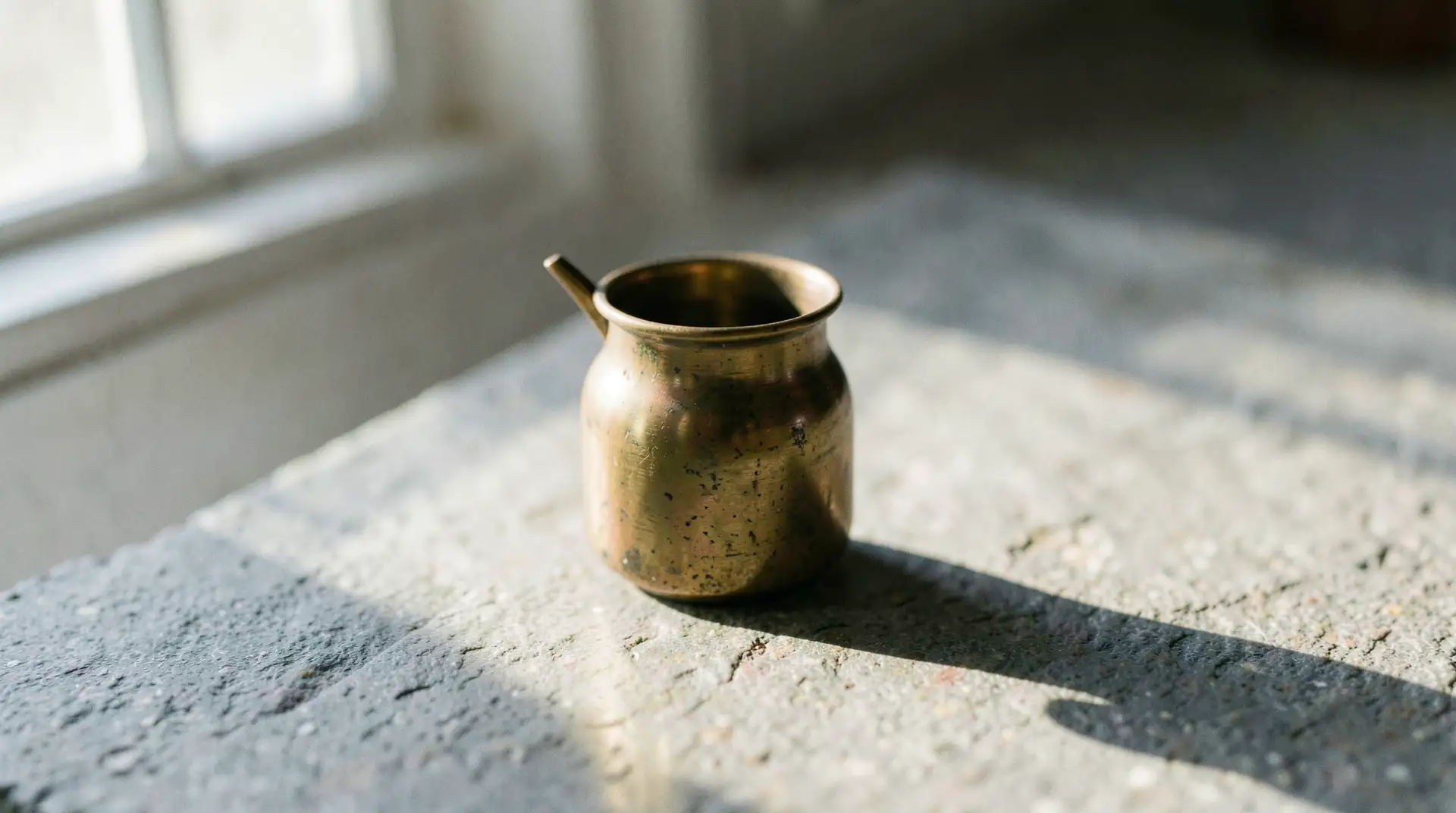
Water placed in this direction is believed to absorb and reflect that quality. A small water feature, a pot of clean water, or a prayer vessel kept in the north-east is said to carry the energy of this corner through the home.
Vastu shastra does not offer this as its reason; the tradition's reasoning is spiritual. But the two observations sit alongside each other without contradiction.
The corner is also considered well-suited for windows and open ventilation, allowing both light and air to enter freely.
The north-east corner, in vastu shastra's logic, is where the map of the sky meets the floor of the home. Water, morning light, open space, and the ruling force of Jupiter converge at one point, and the tradition asks that this corner be treated accordingly.
Whether one follows the practice or simply finds the reasoning interesting, the corner's position in the system is not arbitrary. It sits at the intersection of direction, element, and planetary association, each reinforcing the others within the tradition's own terms.
The Corner Has a Name
In vastu shastra, the north-east is called Ishaan or Eeshanya, a Sanskrit word associated with the deity Ishana, a form of Shiva understood in the tradition as the lord of the north-east quadrant. Vastu shastra holds that this direction is governed by divine energy, which is why it is treated as the most auspicious corner of any structure. The tradition places the source of positive energy at this point and builds the rest of the directional map around it.Why Water Belongs Here
Vastu shastra assigns each direction to one of five elements: earth, water, fire, air, and space. The north-east is assigned to water (jal). The reasoning within the tradition is directional: the north-east receives the earliest light of the morning sun as it rises, and this light is considered gentle, life-giving, and spiritually purifying.Water placed in this direction is believed to absorb and reflect that quality. A small water feature, a pot of clean water, or a prayer vessel kept in the north-east is said to carry the energy of this corner through the home.
Morning Light and the Physical Layer
There is a physical dimension worth naming separately from the belief. In the northern hemisphere, the north-east corner of a home receives early morning sunlight, the low-angle light that arrives between sunrise and mid-morning. This light is relatively cool, carries ultraviolet radiation that discourages the growth of mould and bacteria, and moves through the home before the heat of the day builds.Vastu shastra does not offer this as its reason; the tradition's reasoning is spiritual. But the two observations sit alongside each other without contradiction.
What the Tradition Recommends for This Corner
Vastu shastra holds that the north-east corner should be kept light, open, and uncluttered. Heavy furniture, storage, and toilets are considered unsuitable here. A prayer room or meditation space is considered ideal. If a water feature is placed, a small fountain, a clean vessel, a pot of water changed regularly, the tradition holds that it supports the flow of positive energy through the structure.The corner is also considered well-suited for windows and open ventilation, allowing both light and air to enter freely.
The Graha Behind the Direction
In Vedic astrology, each direction is associated with a planetary force, and vastu shastra draws on this mapping. The north-east is associated with Brihaspati, the planet Jupiter, which the tradition links to wisdom, learning, and spiritual growth. This is part of why the north-east is considered appropriate for a study, a library, or a place of prayer, the tradition holds that the quality of the direction supports the activity placed within it.The north-east corner, in vastu shastra's logic, is where the map of the sky meets the floor of the home. Water, morning light, open space, and the ruling force of Jupiter converge at one point, and the tradition asks that this corner be treated accordingly.
Whether one follows the practice or simply finds the reasoning interesting, the corner's position in the system is not arbitrary. It sits at the intersection of direction, element, and planetary association, each reinforcing the others within the tradition's own terms.
Next Story