
Why Leo Is a Lion: The Greek Myth Behind the Zodiac Sign

Every time someone reads about Leo being fierce, proud, and impossible to ignore, they are echoing a story told thousands of years before the zodiac took its modern shape.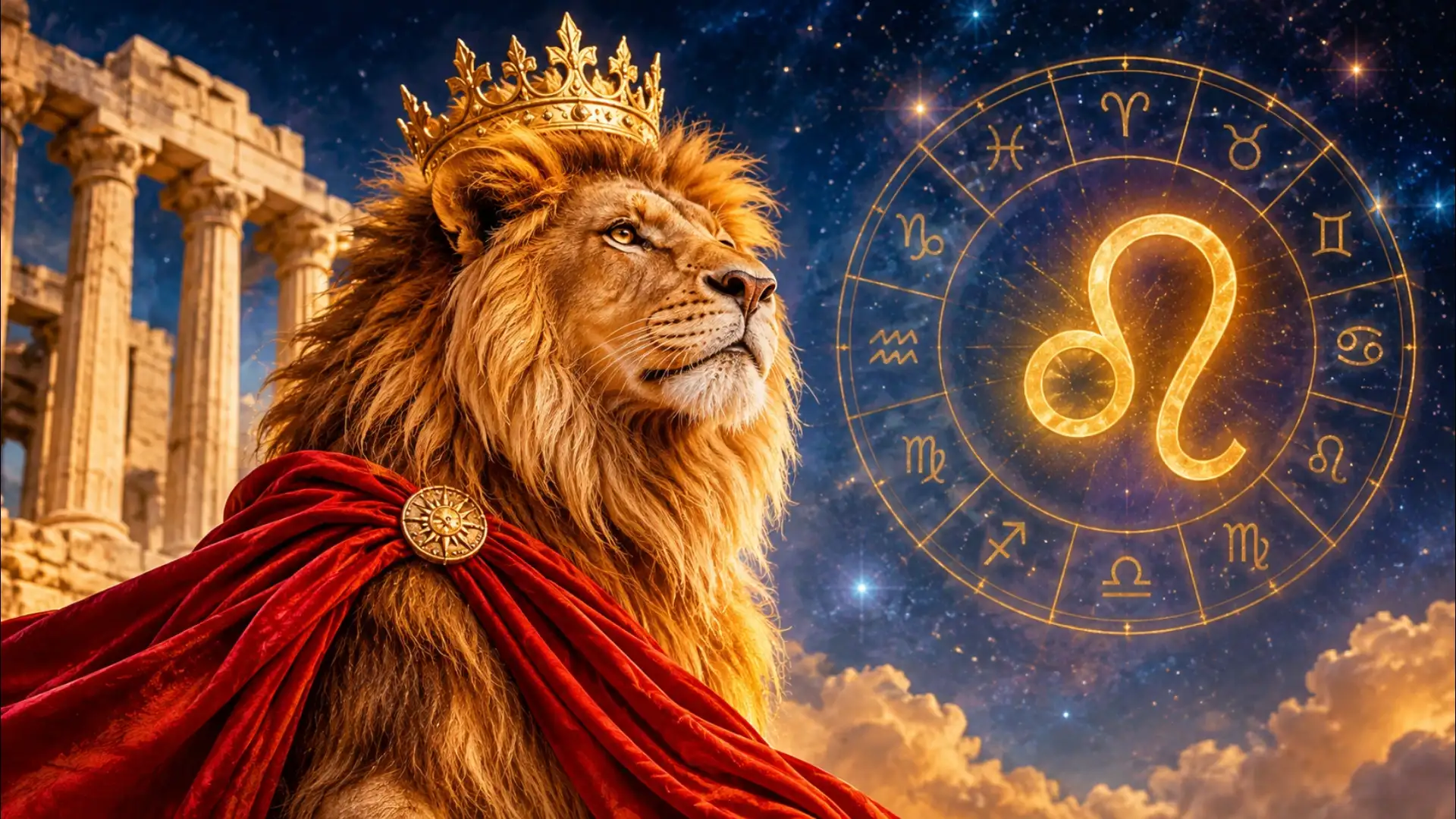
The lion in Greek myth was not a symbol of nobility chosen for its beauty. It was a monster, and the story of how it reached the sky is far stranger than most Leo horoscopes let on.
According to the tradition, it was the offspring of Typhon and Echidna, two of the most feared monsters in the Greek imagination, or in some versions, a beast sent down from the moon by the goddess Selene.
What made it genuinely terrifying, beyond its size, was its hide. No weapon made by human hands could pierce it. Arrows, spears, swords, all glanced off.
The lion had effectively made itself immortal against conventional attack, and the villages around Nemea paid for it in livestock and lives.
The choice was deliberate, the Greeks understood that the hardest thing should come first, and a creature that could not be wounded by weapons was a puzzle before it was a fight. Heracles tried arrows. They bounced. He tried his spear. It bent.
What he eventually did was wrestle the lion with his bare hands, strangling it. The invulnerable hide, which had been the lion's greatest protection, became the hero's prize.
Heracles skinned the lion using its own claws, the only thing sharp enough, and wore the pelt as armour for the rest of his labours. In Greek art, the lion skin draped over Heracles' shoulders is how you know it is him and not any other hero.
The lion's outline in the night sky was one of the earliest constellations named and recorded. The Babylonians called it the Great Lion long before the Greeks adopted it, and the star we now call Regulus, at the lion's heart, was considered one of the four royal stars of the ancient world, associated with power and the sun.
The Greeks folded the Babylonian lion into their own myth of Heracles, giving the constellation a story to carry.
The tradition describes Simha as a fire sign of fixed quality, associated with strength, generosity, and a natural instinct to lead. The lion as the king of animals appears in Indian iconography as well, most famously in the Ashoka Chakra's four lions, which predate the zodiac's arrival in India but reflect the same instinct to reach for the lion when expressing power.
In Vedic astrology, the connection between Simha and the Sun means the sign is considered at its most expressive when confidence is directed outward, toward something larger than personal ambition.
Heracles did not defeat the lion with cleverness or weapons. He matched it physically and won. The tradition holds that Leo people carry something of that quality: they respond to direct engagement, they are not easily diminished, and they tend to leave an impression.
Whether one holds these descriptions as meaningful or treats them as cultural inheritance, the image of the lion in the night sky has carried the same associations, strength, solar energy, an almost theatrical presence, across Babylonian, Greek, and Indian traditions for more than two thousand years. The constellation connects them all.
Disclaimer: This article is for general informational, mythological, and cultural awareness purposes only. Astrological interpretations and traditions vary across cultures, and readers should treat zodiac descriptions as cultural storytelling rather than predictive advice.
The lion in Greek myth was not a symbol of nobility chosen for its beauty. It was a monster, and the story of how it reached the sky is far stranger than most Leo horoscopes let on.
The Nemean Lion Was No Ordinary Animal
In Greek mythology, the Nemean Lion was a creature that terrorised the region of Nemea, in what is now the northeastern Peloponnese.According to the tradition, it was the offspring of Typhon and Echidna, two of the most feared monsters in the Greek imagination, or in some versions, a beast sent down from the moon by the goddess Selene.
What made it genuinely terrifying, beyond its size, was its hide. No weapon made by human hands could pierce it. Arrows, spears, swords, all glanced off.
The lion had effectively made itself immortal against conventional attack, and the villages around Nemea paid for it in livestock and lives.
Heracles and the First Labour
The hero Heracles, known to the Romans as Hercules, was given twelve labours as a form of penance. The Nemean Lion was the first.The choice was deliberate, the Greeks understood that the hardest thing should come first, and a creature that could not be wounded by weapons was a puzzle before it was a fight. Heracles tried arrows. They bounced. He tried his spear. It bent.
What he eventually did was wrestle the lion with his bare hands, strangling it. The invulnerable hide, which had been the lion's greatest protection, became the hero's prize.
Heracles skinned the lion using its own claws, the only thing sharp enough, and wore the pelt as armour for the rest of his labours. In Greek art, the lion skin draped over Heracles' shoulders is how you know it is him and not any other hero.
How the Lion Became a Constellation
After Heracles killed the Nemean Lion, the goddess Hera, who had sent the creature to Nemea in the first place and was no friend of Heracles, placed the lion among the stars so that it would not be forgotten. This is the version most ancient sources favour.The lion's outline in the night sky was one of the earliest constellations named and recorded. The Babylonians called it the Great Lion long before the Greeks adopted it, and the star we now call Regulus, at the lion's heart, was considered one of the four royal stars of the ancient world, associated with power and the sun.
The Greeks folded the Babylonian lion into their own myth of Heracles, giving the constellation a story to carry.
What Vedic Astrology Says About Simha
In Vedic astrology, Leo is called Simha, the Sanskrit word for lion. The sign is ruled by the Sun, which aligns closely with what Babylonian and Greek traditions both attached to the lion constellation, solar energy, radiance, and authority.You may also like
- Sagittarius Horoscope Tomorrow, November 25, 2026: Gemini Moon Opposite Your Sun Puts a Partner's Wishes First
- Scorpio Horoscope Tomorrow, November 25, 2026: Full Moon Aftermath Shows Where Your Money Is Going
- Libra Horoscope Tomorrow, November 25, 2026: Sun Nears Opposition to Uranus, a Trip Plan Could Change Fast
- Virgo Horoscope Tomorrow, November 25, 2026: Mercury in Scorpio Helps You Win an Argument With Facts
- Leo Horoscope Tomorrow, November 25, 2026: Sun in Sagittarius Brings Fun and Romance Back
The tradition describes Simha as a fire sign of fixed quality, associated with strength, generosity, and a natural instinct to lead. The lion as the king of animals appears in Indian iconography as well, most famously in the Ashoka Chakra's four lions, which predate the zodiac's arrival in India but reflect the same instinct to reach for the lion when expressing power.
In Vedic astrology, the connection between Simha and the Sun means the sign is considered at its most expressive when confidence is directed outward, toward something larger than personal ambition.
The Myth Behind the Traits
In Western astrology, Leo is described as bold, warm, stubborn, and magnetic. Those traits trace back, at least in the tradition's own logic, to the nature of the Nemean Lion itself, an animal that could not be brought down by ordinary means and that had to be met on its own terms.Heracles did not defeat the lion with cleverness or weapons. He matched it physically and won. The tradition holds that Leo people carry something of that quality: they respond to direct engagement, they are not easily diminished, and they tend to leave an impression.
Whether one holds these descriptions as meaningful or treats them as cultural inheritance, the image of the lion in the night sky has carried the same associations, strength, solar energy, an almost theatrical presence, across Babylonian, Greek, and Indian traditions for more than two thousand years. The constellation connects them all.
Disclaimer: This article is for general informational, mythological, and cultural awareness purposes only. Astrological interpretations and traditions vary across cultures, and readers should treat zodiac descriptions as cultural storytelling rather than predictive advice.






Loving Newspoint? Download the app now
