
Aston Martin Delays Inaugural Electric Vehicle Launch To 2026 Amidst Industry Shifts

Aston Martin, the renowned luxury carmaker, has recently announced a one-year delay in the launch of its highly anticipated inaugural battery electric vehicle (BEV). Originally slated for release next year, the company has now shifted its plans to 2026. This decision was unveiled on Wednesday, marking a significant adjustment to Aston Martin's electrification strategy.
Partnership with Lucid Group
Last June, Aston Martin had bolstered its electrification plans by securing a crucial supply agreement with Lucid Group, a prominent player in the electric vehicle market backed by Saudi Arabia. This strategic collaboration signified Aston Martin's earnest commitment to embracing the burgeoning BEV landscape and tapping into Lucid Group's expertise to propel its electrification endeavours forward.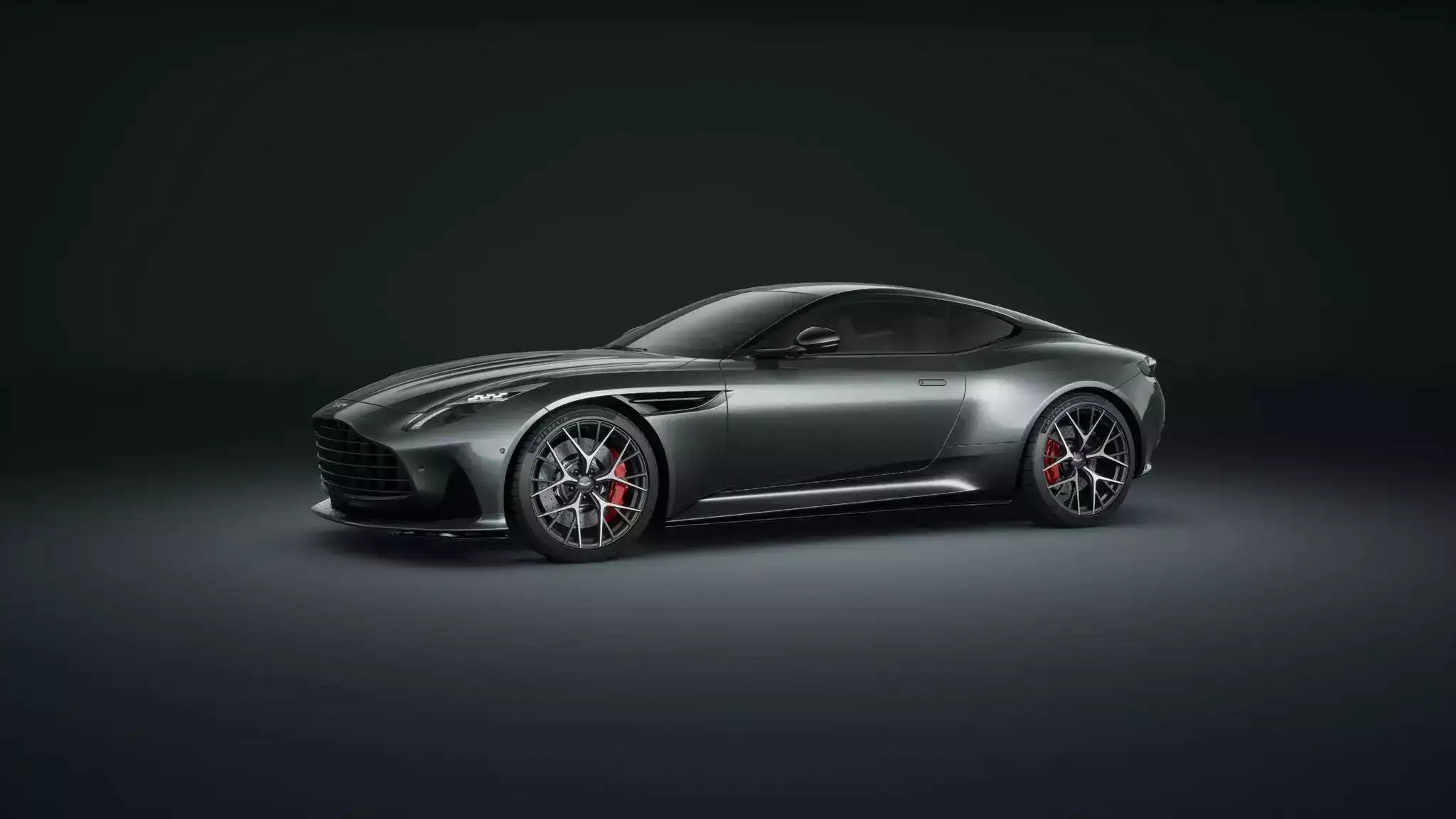
Technical Partnerships and High-Performance Technologies
In a statement addressing the delay, Aston Martin underscored the establishment of technical partnerships aimed at integrating cutting-edge high-performance technologies into its forthcoming BEV. The company reaffirmed its dedication to delivering a top-tier electric vehicle experience to consumers by 2026, underscoring its unwavering pursuit of excellence in the realm of electric mobility.
Industry Trends and Adjusted Strategies
Aston Martin's decision to postpone its BEV launch comes amidst a broader trend within the automotive industry, with major players reassessing their electrification timelines in response to market dynamics. Notably, Mercedes-Benz recently extended its electrification roadmap by five years, prioritising enhancements to its combustion engine models in the interim to assuage investor concerns.
Investment Realignment towards BEV Technology
Despite optimism surrounding future electric vehicle demand, the discrepancy between investment in capacity and current market demand has prompted automakers like Aston Martin to recalibrate their production strategies. With a dedicated budget of £2 billion ($2.53 billion) earmarked for advanced technologies over the next five years, Aston Martin is strategically transitioning its investment focus from internal combustion engine (ICE) to BEV technology, poised to meet the evolving demands of the automotive landscape.
Partnership with Lucid Group
Last June, Aston Martin had bolstered its electrification plans by securing a crucial supply agreement with Lucid Group, a prominent player in the electric vehicle market backed by Saudi Arabia. This strategic collaboration signified Aston Martin's earnest commitment to embracing the burgeoning BEV landscape and tapping into Lucid Group's expertise to propel its electrification endeavours forward.
You may also like
- Tata Motors Commercial Vehicles Set to Get Costlier From October 1 — Check How Much Prices Could Rise
- Triumph's Retro Bonneville 400 Could Arrive Before Diwali 2026 — More Power, Classic Style
- Thinking of Modifying Your New Car? These Changes Could Create Warranty Problems
- OneTag Explained: Now Change Your FASTag Bank Without Removing the Sticker — 5 Things to Know
- Hyundai, Honda Preparing Four New SUVs with EV, Petrol and CNG Options
Technical Partnerships and High-Performance Technologies
In a statement addressing the delay, Aston Martin underscored the establishment of technical partnerships aimed at integrating cutting-edge high-performance technologies into its forthcoming BEV. The company reaffirmed its dedication to delivering a top-tier electric vehicle experience to consumers by 2026, underscoring its unwavering pursuit of excellence in the realm of electric mobility.
Industry Trends and Adjusted Strategies
Aston Martin's decision to postpone its BEV launch comes amidst a broader trend within the automotive industry, with major players reassessing their electrification timelines in response to market dynamics. Notably, Mercedes-Benz recently extended its electrification roadmap by five years, prioritising enhancements to its combustion engine models in the interim to assuage investor concerns.
Investment Realignment towards BEV Technology
Despite optimism surrounding future electric vehicle demand, the discrepancy between investment in capacity and current market demand has prompted automakers like Aston Martin to recalibrate their production strategies. With a dedicated budget of £2 billion ($2.53 billion) earmarked for advanced technologies over the next five years, Aston Martin is strategically transitioning its investment focus from internal combustion engine (ICE) to BEV technology, poised to meet the evolving demands of the automotive landscape.






Loving Newspoint? Download the app now
