
Brazilian City Tests Biofuel That Could Fully Replace Diesel

As global fuel markets face uncertainty, one city in southern Brazil is taking a bold step toward energy independence. Passo Fundo has begun testing a new biofuel that could fully replace diesel in everyday vehicles, offering a cleaner and potentially more stable alternative.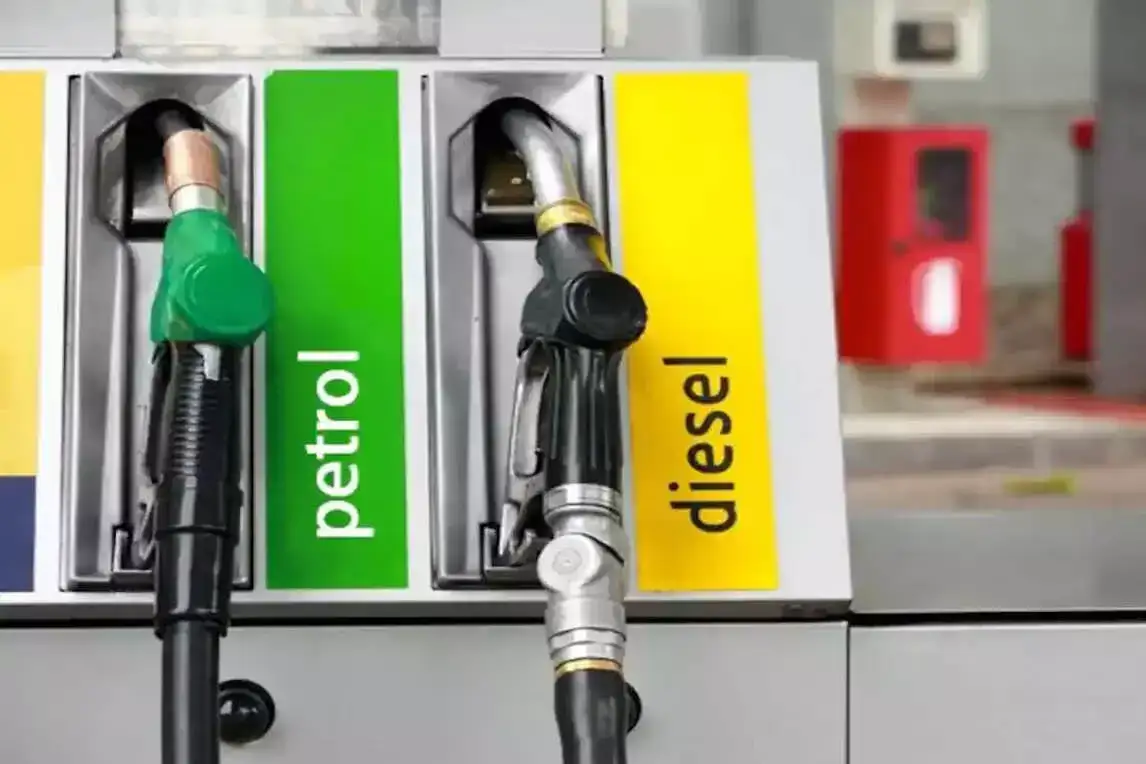
The move comes at a time when global tensions are pushing fuel prices higher and raising concerns about supply. For cities that depend heavily on diesel, finding reliable alternatives has become more urgent than ever.
A new kind of fuel
The biofuel being tested is made from soy, animal fats, and used cooking oils. Unlike traditional biodiesel blends, which are typically mixed with regular diesel, this fuel is designed to work on its own.
Developed by Be8, the fuel is known as BeVant. What makes it stand out is that it can be used in standard diesel engines without any modifications. This makes it easier for cities and companies to adopt without investing in new infrastructure.
Early rollout in city vehicles
Passo Fundo has started small but with clear intent. In the first phase, 17 municipal vehicles, including trucks, backhoes, and a minibus, are running on the new fuel. Together, they consume around 10,000 litres each month.
The city plans to expand its use gradually if the results continue to be positive. Officials see this as a practical step toward reducing dependence on imported diesel while also cutting emissions.
Balancing cost and sustainability
At present, BeVant is slightly more expensive than standard biodiesel, though it is still cheaper than other green fuel options like HVO. However, costs are expected to drop as production scales up.
For a country like Brazil, which imports a significant portion of its diesel but produces large amounts of soy, this shift makes economic sense. A strong soybean harvest further strengthens the case for bio-based fuels.
Why this matters now
Rising global tensions and fluctuating crude prices have highlighted the risks of relying heavily on fossil fuels. By investing in locally produced alternatives, cities like Passo Fundo are trying to build more resilience into their energy systems.
At the same time, cleaner fuels can help reduce emissions from transport, which remains a major contributor to pollution.
Looking beyond one city
The use of BeVant is not limited to municipal vehicles. It is already being tested in other areas, including logistics fleets and even motorsport events like the Copa Truck series.
These early trials suggest that the fuel could have wider applications if it proves reliable and cost-effective over time.
A step toward a different future
The experiment in Passo Fundo shows how local solutions can play a role in addressing global challenges. While it is still early days, the idea of a fuel that can fully replace diesel without major changes to existing engines is promising.
If successful, it could open the door for more cities and industries to rethink how they power their vehicles, moving gradually toward cleaner and more sustainable options.
The move comes at a time when global tensions are pushing fuel prices higher and raising concerns about supply. For cities that depend heavily on diesel, finding reliable alternatives has become more urgent than ever.
A new kind of fuel
The biofuel being tested is made from soy, animal fats, and used cooking oils. Unlike traditional biodiesel blends, which are typically mixed with regular diesel, this fuel is designed to work on its own.Developed by Be8, the fuel is known as BeVant. What makes it stand out is that it can be used in standard diesel engines without any modifications. This makes it easier for cities and companies to adopt without investing in new infrastructure.
Early rollout in city vehicles
Passo Fundo has started small but with clear intent. In the first phase, 17 municipal vehicles, including trucks, backhoes, and a minibus, are running on the new fuel. Together, they consume around 10,000 litres each month.You may also like
- MG Majestor: A Bold New Diesel SUV Blending Power, Luxury and Off-Road Capability
- Buy Ola EV at special Navratri prices, offers on scooters and bikes
- Lexus Launches First Electric Sedan in India; ES 500e to Rival German Luxury Brands
- Kia Carens Clavis EV Gets 6-Seater Option, Panoramic Sunroof and Up to 490 km Range
- Hyundai Verna Facelift Arrives, Maintaining Sedan Segment Appeal
The city plans to expand its use gradually if the results continue to be positive. Officials see this as a practical step toward reducing dependence on imported diesel while also cutting emissions.
Balancing cost and sustainability
At present, BeVant is slightly more expensive than standard biodiesel, though it is still cheaper than other green fuel options like HVO. However, costs are expected to drop as production scales up. For a country like Brazil, which imports a significant portion of its diesel but produces large amounts of soy, this shift makes economic sense. A strong soybean harvest further strengthens the case for bio-based fuels.
Why this matters now
Rising global tensions and fluctuating crude prices have highlighted the risks of relying heavily on fossil fuels. By investing in locally produced alternatives, cities like Passo Fundo are trying to build more resilience into their energy systems.At the same time, cleaner fuels can help reduce emissions from transport, which remains a major contributor to pollution.
Looking beyond one city
The use of BeVant is not limited to municipal vehicles. It is already being tested in other areas, including logistics fleets and even motorsport events like the Copa Truck series. These early trials suggest that the fuel could have wider applications if it proves reliable and cost-effective over time.
A step toward a different future
The experiment in Passo Fundo shows how local solutions can play a role in addressing global challenges. While it is still early days, the idea of a fuel that can fully replace diesel without major changes to existing engines is promising. If successful, it could open the door for more cities and industries to rethink how they power their vehicles, moving gradually toward cleaner and more sustainable options.






More from our partners


Loving Newspoint? Download the app now
