
Buy Or Lease A Car? Key Differences Every Driver Should Consider Before Deciding

Getting a new car involves more than choosing a model, colour and features. One of the biggest financial decisions comes earlier: should you buy the vehicle or lease it? The answer depends on how much you drive, how long you expect to keep the car and how much flexibility you want. In India, outright purchases and car finance remain familiar routes, while leasing is also available through selected providers and schemes. According to financial experts, comparing the total cost rather than just the monthly payment is crucial.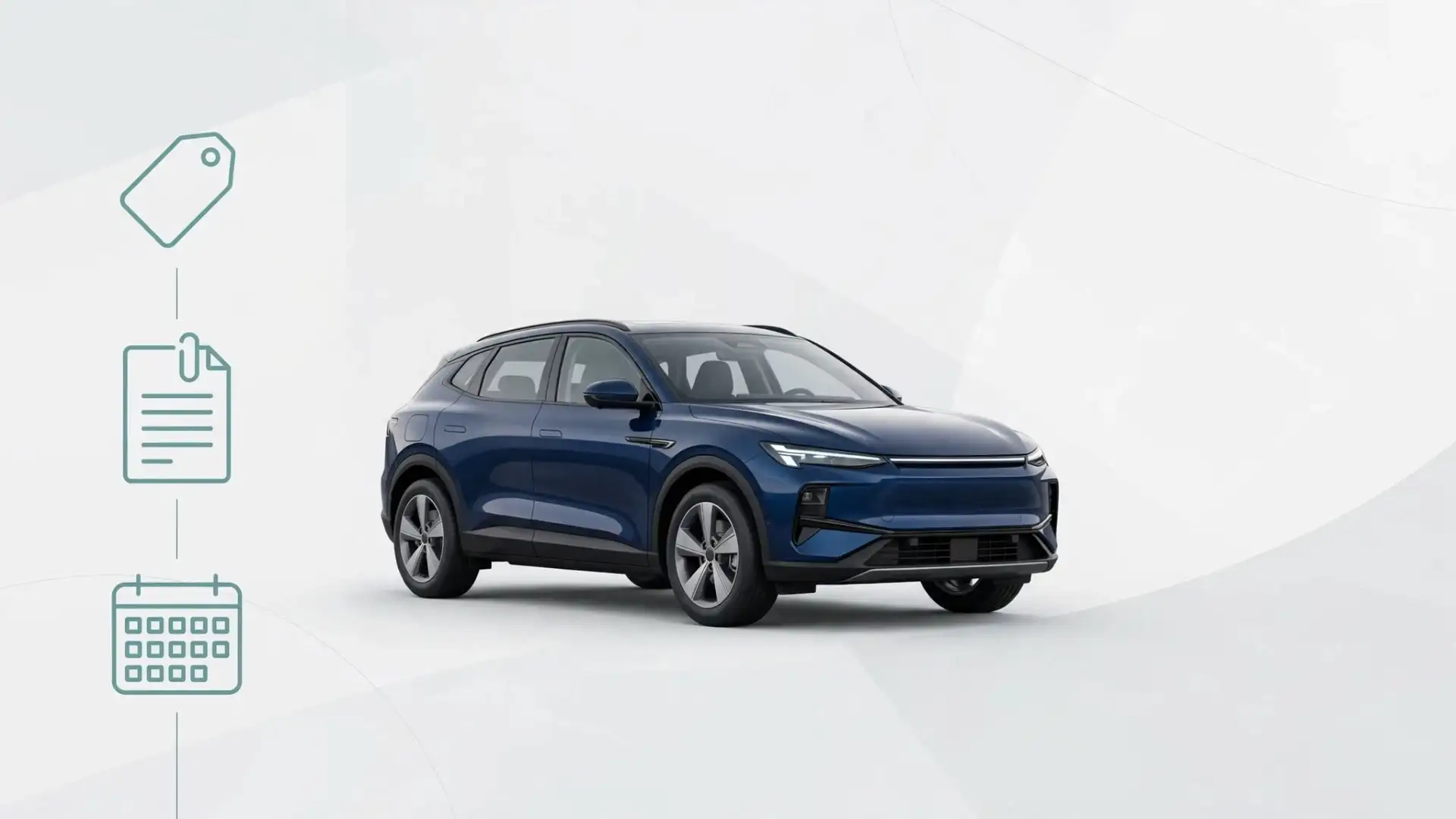
A purchased car can also retain some resale value. However, vehicles generally depreciate over time, and the rate varies depending on the model, condition, age and market demand.
The initial financial commitment can be higher when buying, particularly if you make a substantial down payment. With a car loan, interest also increases the overall cost.
Leasing can appeal to drivers who prefer changing cars every few years. It may also reduce concerns about selling the vehicle later, as ownership generally remains with the leasing company.
However, lease agreements can include mileage limits and conditions relating to excessive wear and damage. Exceeding agreed limits may result in additional charges.
A buyer who keeps a car for many years may spread the cost over a longer ownership period. A person who regularly wants a newer vehicle may find leasing more convenient, although repeated lease payments mean they do not build ownership in the vehicle.
On the other hand, motorists who drive relatively little and prefer changing vehicles frequently could find a lease worth considering.
According to experts, the best choice is ultimately the one that matches your budget, driving pattern and expected ownership period. Before signing any agreement, compare the complete costs and read the terms carefully rather than choosing solely on the advertised monthly payment.
Image Courtesy: Meta AI
Buying A Car Gives You Ownership
The biggest advantage of buying a car is straightforward: once the loan is repaid, the vehicle belongs to you. You can keep it for several years, sell it when you choose or modify it within legal and manufacturer requirements.A purchased car can also retain some resale value. However, vehicles generally depreciate over time, and the rate varies depending on the model, condition, age and market demand.
The initial financial commitment can be higher when buying, particularly if you make a substantial down payment. With a car loan, interest also increases the overall cost.
Leasing Can Offer More Flexibility
With a lease, you essentially pay to use the vehicle for an agreed period rather than purchasing it outright. Depending on the agreement, the monthly cost may be lower than the financing payment for buying the same car.You may also like
- Simple Wave Electric Scooter Launched With 243 Km Range: Price, Battery Options and Features
- ₹1.90 Crore Range Rover Sport Twenty Edition Arrives in India: 537hp V8 and 0-100 kmph in Just 4.5 Seconds
- Mahindra Electric SUVs Get Up to ₹8 Lakh Cheaper! New BaaS Plan Cuts the Upfront Price
- New Mahindra Thar Facelift Is Coming! More Aggressive Design, Bigger Wheels and High-Tech Features
- Month-End, Diwali or December? Know the Best Time to Buy a New Car and Save Big
Leasing can appeal to drivers who prefer changing cars every few years. It may also reduce concerns about selling the vehicle later, as ownership generally remains with the leasing company.
However, lease agreements can include mileage limits and conditions relating to excessive wear and damage. Exceeding agreed limits may result in additional charges.
Which Option Costs Less?
There is no universal answer to which is cheaper. The comparison should include the down payment, monthly instalments or lease payments, insurance, maintenance, taxes, fuel, financing charges and eventual resale value.A buyer who keeps a car for many years may spread the cost over a longer ownership period. A person who regularly wants a newer vehicle may find leasing more convenient, although repeated lease payments mean they do not build ownership in the vehicle.
Consider How You Use Your Car
Your driving habits should play a major role in the decision. Someone with a long daily commute may find a lease's mileage restrictions inconvenient. Buyers who drive extensively may have greater freedom with ownership.On the other hand, motorists who drive relatively little and prefer changing vehicles frequently could find a lease worth considering.
According to experts, the best choice is ultimately the one that matches your budget, driving pattern and expected ownership period. Before signing any agreement, compare the complete costs and read the terms carefully rather than choosing solely on the advertised monthly payment.
Image Courtesy: Meta AI






Loving Newspoint? Download the app now
