
Car Wipers Not Working? Expert Tips to Fix, Maintain & Replace for Rain Safety

Driving in the rain can be refreshing - until your car wipers stop working properly. Faulty wipers can turn a simple rainy day drive into a dangerous situation by reducing visibility and increasing the risk of accidents. Many drivers underestimate the importance of properly functioning wipers, but maintaining them is essential for safety during the monsoon or heavy downpours. Here’s a comprehensive guide to diagnosing, fixing, and maintaining your wipers for a safer driving experience.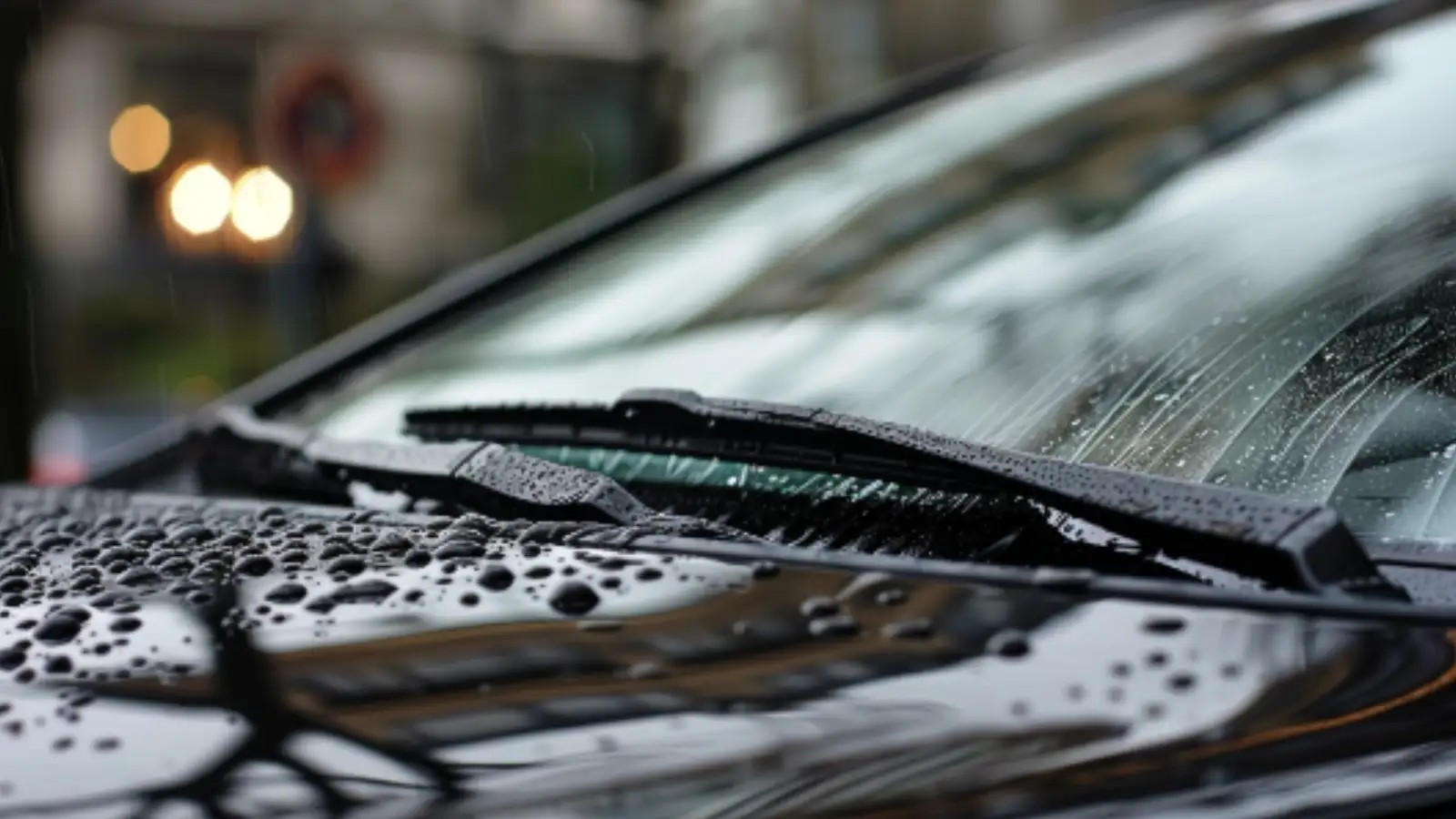
Why Wipers Fail and How to Spot Problems
Over time, wiper blades wear out due to constant exposure to sunlight, dust, pollution, and rain. The rubber edges can crack, harden, or lose flexibility, leading to streaks, smudges, or uneven wiping on your windshield. Even new blades may perform poorly if dirt, grime, or oily residues accumulate on them.
Common signs that your car wipers need attention include:
Simple Ways to Fix Car Wipers
Before rushing to replace your blades, there are a few quick fixes that can restore their efficiency:
When to Replace Your Wiper Blades
Even with cleaning and minor adjustments, wipers eventually reach the end of their life. Most manufacturers recommend replacing blades every six months to a year, depending on usage and weather conditions. Immediate replacement is necessary if:
Choosing the right replacement blade for your car model ensures maximum contact with the windshield and optimal rain visibility.
Safety Tips for Rainy Driving
With proper wipers, you can maintain clear visibility, but safe driving in rain also requires:
Regularly maintaining your car wipers not working properly ensures you are prepared for sudden downpours, improving your reaction time and keeping everyone in the vehicle safe.
By following these tips, your wipers will perform efficiently, your windshield will stay clear, and your rainy day drives will be much safer. Don’t wait until visibility becomes an issue - inspect, clean, or replace your wipers today!
Why Wipers Fail and How to Spot Problems
Over time, wiper blades wear out due to constant exposure to sunlight, dust, pollution, and rain. The rubber edges can crack, harden, or lose flexibility, leading to streaks, smudges, or uneven wiping on your windshield. Even new blades may perform poorly if dirt, grime, or oily residues accumulate on them.
Common signs that your car wipers need attention include:
You may also like
- MG Majestor: A Bold New Diesel SUV Blending Power, Luxury and Off-Road Capability
- Buy Ola EV at special Navratri prices, offers on scooters and bikes
- Lexus Launches First Electric Sedan in India; ES 500e to Rival German Luxury Brands
- Kia Carens Clavis EV Gets 6-Seater Option, Panoramic Sunroof and Up to 490 km Range
- Hyundai Verna Facelift Arrives, Maintaining Sedan Segment Appeal
- Streaking or patchy wiping
- Squeaking or chattering sounds while in use
- Blades lifting off the glass at high speeds
- Uneven cleaning, leaving water or smudges behind
Simple Ways to Fix Car Wipers
Before rushing to replace your blades, there are a few quick fixes that can restore their efficiency:
- Clean the blades regularly: Wipe the rubber edges with a damp cloth to remove dust, grease, or grime that may prevent smooth wiping.
- Check the windshield: A dirty windshield reduces the effectiveness of even the best blades. Use a quality glass cleaner to remove oil, dust, and water spots. Avoid plain water - it won’t remove oily residues effectively.
- Refill windshield washer fluid: Wiping dry glass can scratch your windshield and damage blades. Keeping the fluid topped up ensures smoother cleaning.
- Inspect the wiper arms: Make sure the arms are properly aligned and press evenly against the windshield. Loose or bent arms can cause uneven wiping.
When to Replace Your Wiper Blades
Even with cleaning and minor adjustments, wipers eventually reach the end of their life. Most manufacturers recommend replacing blades every six months to a year, depending on usage and weather conditions. Immediate replacement is necessary if:
- Blades leave streaks even after cleaning
- You hear unusual noises during operation
- Rubber edges are cracked, torn, or hardened
Choosing the right replacement blade for your car model ensures maximum contact with the windshield and optimal rain visibility.
Safety Tips for Rainy Driving
With proper wipers, you can maintain clear visibility, but safe driving in rain also requires:
- Slowing down during heavy rain to avoid hydroplaning
- Keeping a safe distance from the vehicle ahead
- Checking tire tread and brakes regularly
Regularly maintaining your car wipers not working properly ensures you are prepared for sudden downpours, improving your reaction time and keeping everyone in the vehicle safe.
By following these tips, your wipers will perform efficiently, your windshield will stay clear, and your rainy day drives will be much safer. Don’t wait until visibility becomes an issue - inspect, clean, or replace your wipers today!






More from our partners


Loving Newspoint? Download the app now
