
6 Car Design Details That Are There for Your Safety

A car is a long argument between physics and human survival, and the engineers usually win, but only if the design stays intact. Most drivers spend years inside a vehicle without knowing what half its details are for. Some of those details look decorative. Some look like manufacturing leftovers. Almost none of them are.
Every one of these features was added to a car because someone, somewhere, worked out exactly what happens to a human body when it goes wrong. The crumple zone, the frit, the beam in the door, they are not expensive extras or styling exercises. They are the answers to questions that engineers hoped drivers would never have to ask.
The Crumple Zones at the Front and Rear
The bonnet and boot of most cars are designed to fold, buckle, and absorb energy in a controlled sequence during a collision. This is not poor construction. The cabin around you is built rigid; the sections beyond it are built to give way. When the front of the car collapses, it converts the kinetic energy of the crash into the work of bending metal, slowing the force before it reaches your body. A car that crumples predictably is safer than one that stays rigid and transfers the full impact to the occupants. The soft zones are load-bearing in the truest sense, they bear the load so you do not.The Headrest Is Not a Comfort Feature
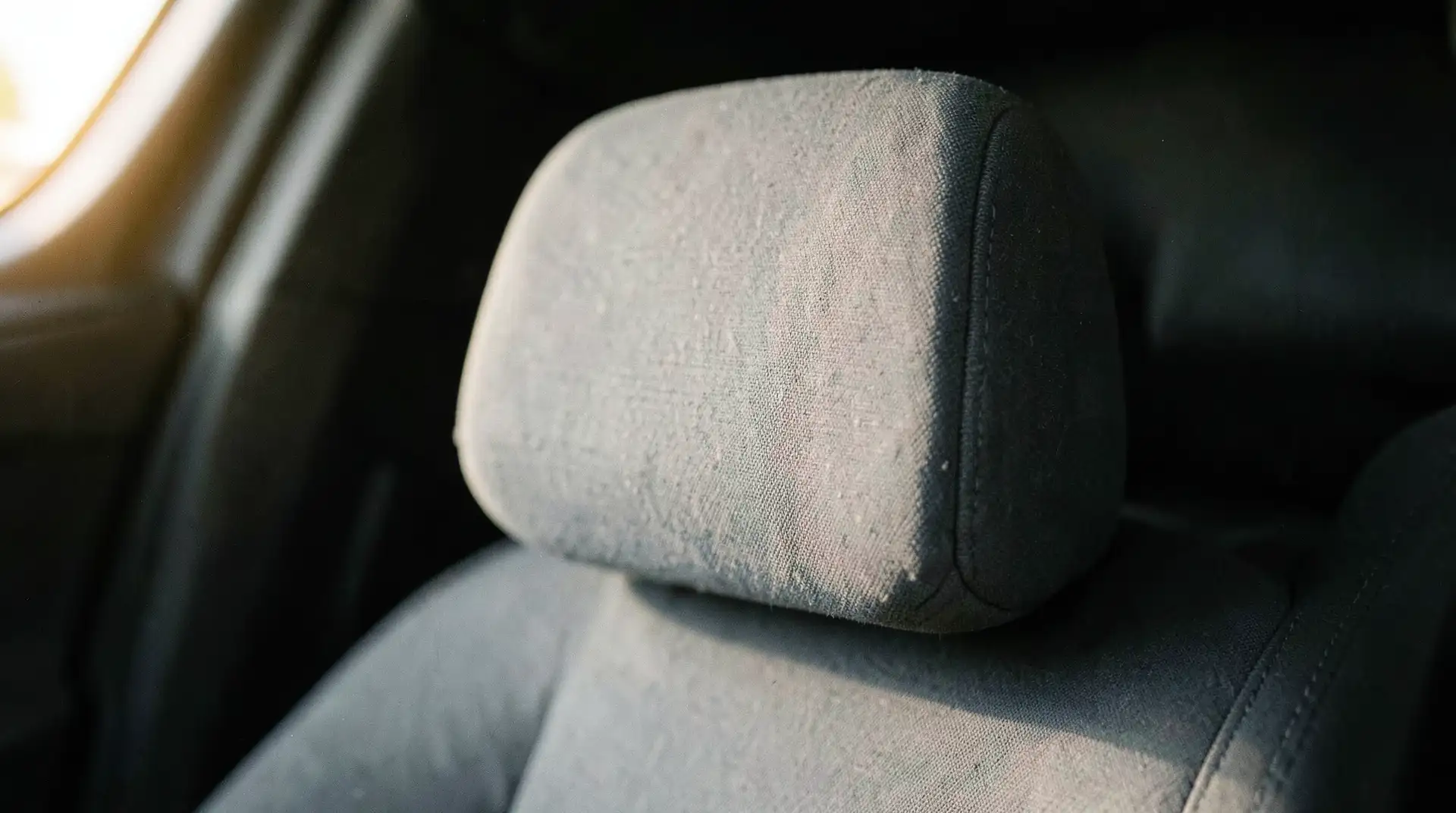
The correct name is head restraint, and the distinction matters. In a rear collision, your torso is pushed forward by the seat while your head lags behind, stretching and straining the neck at high speed. A properly positioned head restraint, top level with the crown of your head, gap no wider than a fist, limits how far back the head travels before it meets resistance. Adjusted too low or tilted too far back, it does almost nothing for whiplash. Most drivers set it for comfort and leave it there. That is the wrong setting.The Black Dots Around Your Windscreen
The ceramic band of black dots printed around the edge of a windscreen is called the frit. It does two things. First, it hides the adhesive that bonds the glass to the car body, protecting the urethane sealant from ultraviolet light, which degrades it over time. Second, the dotted gradient at the inner edge distributes thermal stress. Glass and metal expand at different rates when the car heats up in the sun. The dots spread that stress across a wider area rather than concentrating it at one sharp line, reducing the chance of a crack starting at the edge. The pattern is not decorative, it is a thermal and structural solution printed in ceramic ink.The Raised Ridge on the Bonnet
Many bonnets carry a raised line or a slight peak running along their length. One function of this feature is pedestrian safety. In a pedestrian impact, the bonnet is supposed to deform upward and absorb energy before the person's head reaches the hard engine components below. The ridge controls where and how the bonnet folds. Bonnets are also now required to maintain a minimum clearance above the engine in many markets, for exactly this reason. A pedestrian struck by a car with a compliant bonnet has a meaningfully different outcome from one struck by a flat, rigid panel over a hard block.The Side-Door Intrusion Beams
Inside each car door, running horizontally between the hinges and the latch, sits a steel or aluminium beam you will never see. Its job is to resist lateral intrusion, to stop the door from collapsing inward and into the occupant's space when another vehicle strikes the side. The door panel, the trim, the glass, the speaker grille: none of these provide structural resistance. The beam does. Some vehicles use a single beam, some use two in an X configuration, and some use high-strength door rings that integrate the beam into the overall cage. The geometry changes; the principle does not.The Tyre Tread Wear Indicators
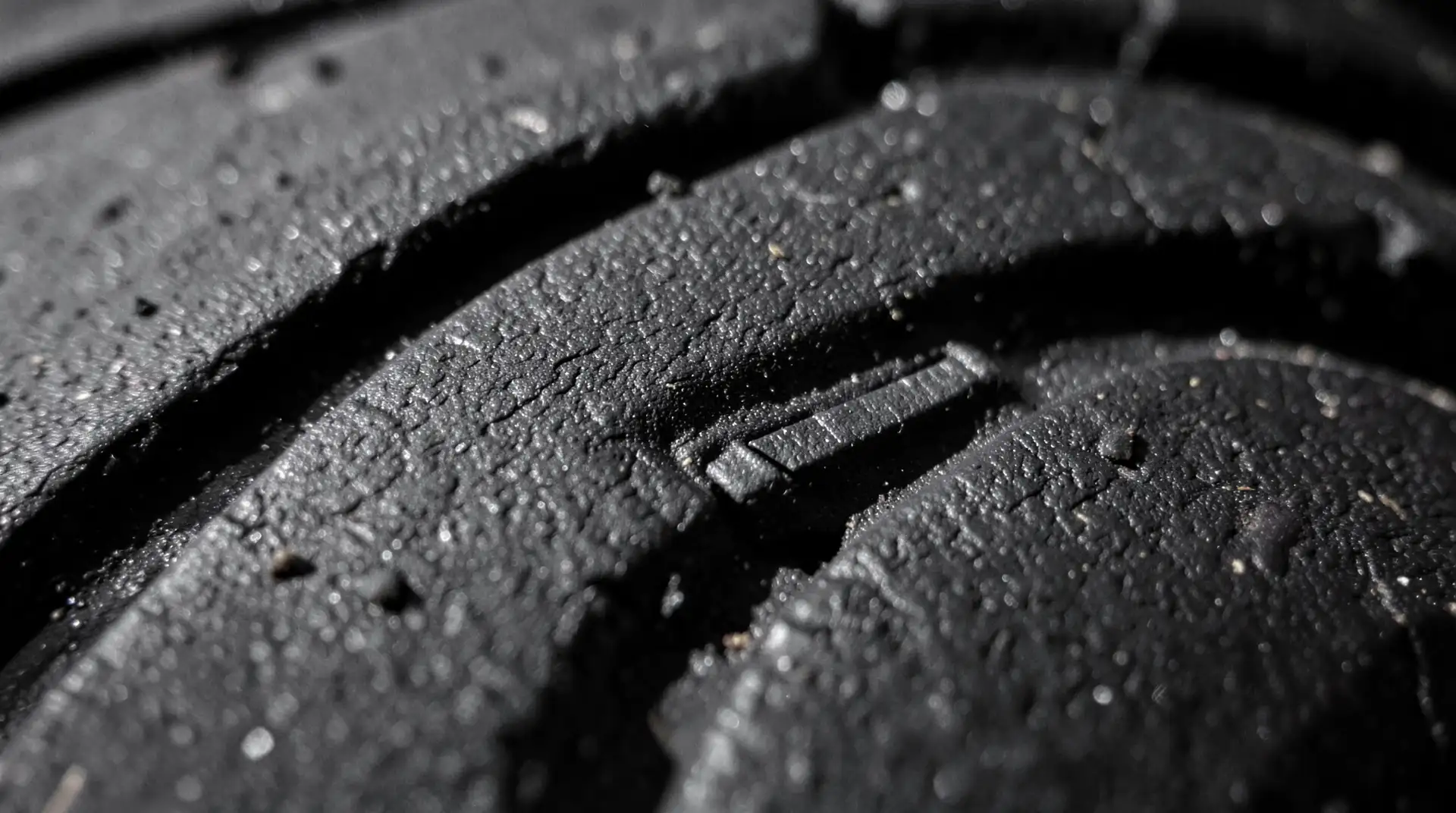
Moulded into the grooves of every tyre, at regular intervals around the circumference, are small raised rubber bars sitting at 1.6 millimetres above the groove floor. When the tread wears down to that level, the bars become flush with the surface and visible as continuous bands across the tyre. At that point the tyre has lost most of its ability to channel water away from the contact patch. On a wet road, the gap between a tyre with full tread and one at the wear indicator is the gap between a car that stops and a car that does not. The indicators are not a suggestion to think about new tyres. They are the point at which the tyre's safety function is gone.Every one of these features was added to a car because someone, somewhere, worked out exactly what happens to a human body when it goes wrong. The crumple zone, the frit, the beam in the door, they are not expensive extras or styling exercises. They are the answers to questions that engineers hoped drivers would never have to ask.
Next Story