
E20 Petrol Explained: Will It Reduce Mileage? Here's What Vehicle Owners Should Know

E20 petrol is becoming increasingly common at fuel stations across India as the country accelerates its transition towards cleaner and more sustainable fuels. With its availability expanding across several states, many motorists are now wondering whether switching to this new fuel will affect their vehicle's performance or reduce fuel efficiency.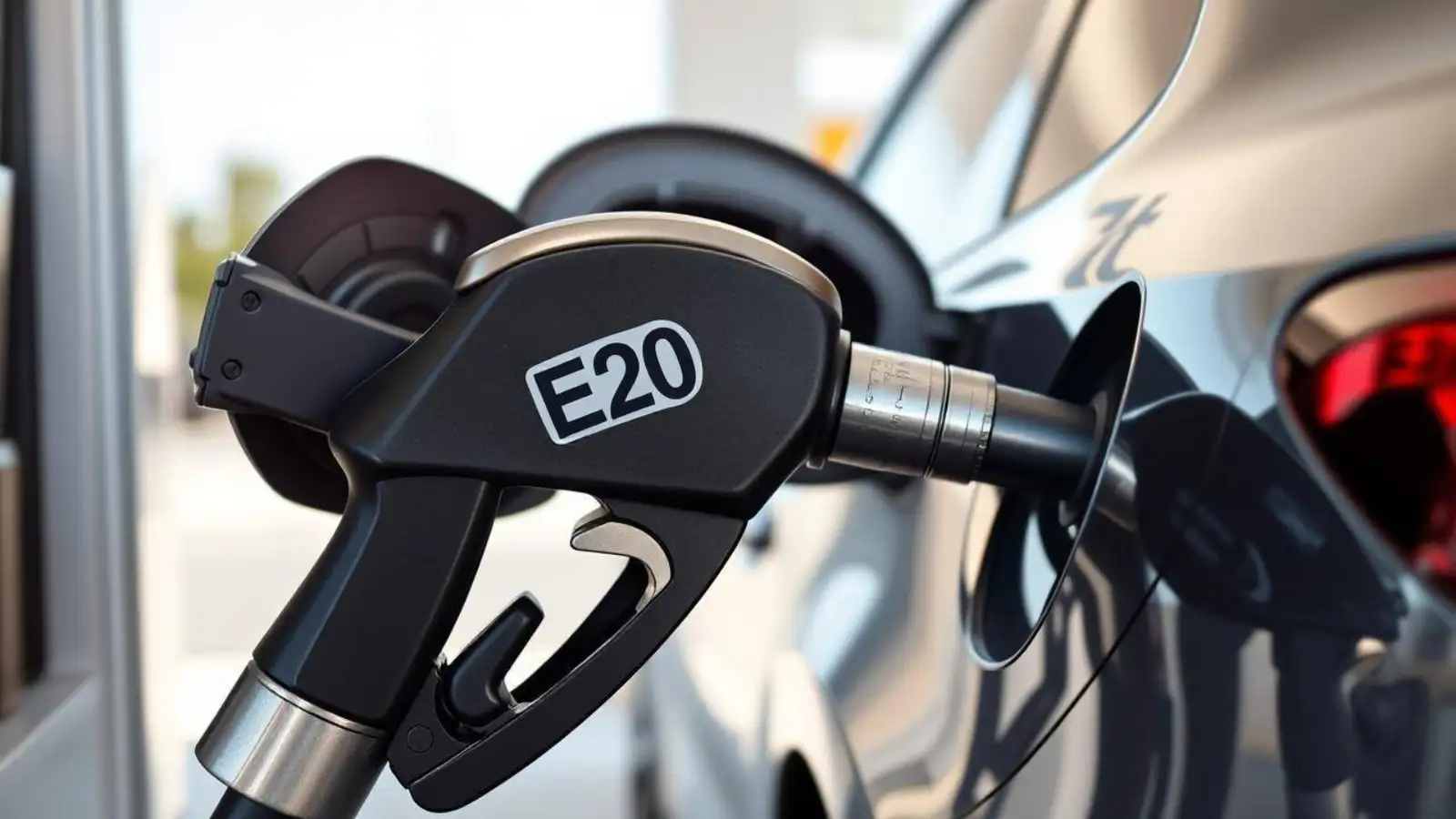
For owners of cars, bikes and scooters, the questions are straightforward. Will the engine perform differently? Will mileage drop? And is every vehicle compatible with E20 petrol?
While the change may seem significant, experts believe it represents an important step in India's long-term energy strategy rather than simply introducing another fuel option.
Ethanol is a renewable biofuel produced from crops such as sugarcane and maize. Because it contains more oxygen than conventional petrol, it burns more efficiently during combustion.
India has gradually increased ethanol blending over the years, moving from E5 to E10 and now to E20. This phased approach has allowed vehicle manufacturers and fuel suppliers to adapt to changing fuel standards.
Since the country imports a significant share of its petroleum requirements, fluctuations in global oil prices directly affect fuel costs and the broader economy. Increasing ethanol production from domestic agricultural resources helps reduce this dependence while improving energy security.
The initiative also supports the agricultural sector by creating additional demand for crops used in ethanol production, providing farmers with new market opportunities.
Compared with regular petrol, ethanol-blended fuel can lower emissions of carbon monoxide and certain other pollutants. This makes it particularly relevant for cities where air pollution continues to be a major challenge.
The move also supports India's broader environmental goals by encouraging the use of renewable fuel sources alongside conventional fossil fuels.
Ethanol contains slightly less energy per litre than petrol. As a result, vehicles running on E20 petrol may experience a modest reduction in Fuel Mileage .
Experts estimate that fuel efficiency could decline by around 3% to 7%, depending on the vehicle and driving conditions. However, for most drivers, especially those using newer vehicles, the difference is expected to be relatively small during normal day-to-day use.
Many manufacturers now design engines specifically for E20 Compatible Vehicles , ensuring they operate efficiently with the higher ethanol content. Improved engine calibration and fuel system components help maintain smooth performance despite the lower energy density of ethanol.
In fact, ethanol has a higher octane rating than conventional petrol, allowing specially designed engines to achieve better combustion efficiency.
Fuels such as E85, which contain much more ethanol, can reduce mileage by around 20% to 30%. Pure ethanol fuel, commonly referred to as E100, may reduce fuel efficiency by as much as 30% to 35% compared with regular petrol.
However, engines specifically engineered for these fuels are designed to offset some of this reduction through higher compression ratios and improved combustion technology.
Manufacturers have already begun introducing motorcycles and scooters designed to operate with E20 fuel. For owners of these newer models, no additional modifications are generally required under normal operating conditions.
Daily commuters using modern bikes and scooters are therefore expected to experience minimal disruption as E20 availability expands.
Experts recommend checking the manufacturer's guidelines before regularly using E20 petrol, as older fuel systems may not have been designed for higher ethanol blends.
As newer models gradually replace older vehicles, Flex-Fuel Vehicles and E20-compatible engines are expected to become increasingly common across the Indian market.
With cleaner fuels playing a larger role in the country's transport sector, E20 petrol marks an important step towards reducing fuel imports, lowering emissions and supporting renewable energy, while encouraging motorists to prepare for the next phase of India's evolving mobility landscape.
For owners of cars, bikes and scooters, the questions are straightforward. Will the engine perform differently? Will mileage drop? And is every vehicle compatible with E20 petrol?
While the change may seem significant, experts believe it represents an important step in India's long-term energy strategy rather than simply introducing another fuel option.
What Is E20 Petrol?
E20 petrol is a blend made up of 20% ethanol and 80% conventional petrol.Ethanol is a renewable biofuel produced from crops such as sugarcane and maize. Because it contains more oxygen than conventional petrol, it burns more efficiently during combustion.
India has gradually increased ethanol blending over the years, moving from E5 to E10 and now to E20. This phased approach has allowed vehicle manufacturers and fuel suppliers to adapt to changing fuel standards.
Why Is India Promoting E20 Fuel?
The introduction of Ethanol Blended Fuel is aimed at reducing India's dependence on imported crude oil.Since the country imports a significant share of its petroleum requirements, fluctuations in global oil prices directly affect fuel costs and the broader economy. Increasing ethanol production from domestic agricultural resources helps reduce this dependence while improving energy security.
The initiative also supports the agricultural sector by creating additional demand for crops used in ethanol production, providing farmers with new market opportunities.
Environmental Benefits Of E20 Petrol
One of the biggest advantages of E20 Petrol is its potential to reduce vehicle emissions.Compared with regular petrol, ethanol-blended fuel can lower emissions of carbon monoxide and certain other pollutants. This makes it particularly relevant for cities where air pollution continues to be a major challenge.
The move also supports India's broader environmental goals by encouraging the use of renewable fuel sources alongside conventional fossil fuels.
Will E20 Petrol Reduce Mileage?
Mileage is perhaps the biggest concern among vehicle owners considering the switch.Ethanol contains slightly less energy per litre than petrol. As a result, vehicles running on E20 petrol may experience a modest reduction in Fuel Mileage .
Experts estimate that fuel efficiency could decline by around 3% to 7%, depending on the vehicle and driving conditions. However, for most drivers, especially those using newer vehicles, the difference is expected to be relatively small during normal day-to-day use.
What About Engine Performance?
Although E20 petrol may slightly reduce mileage, it is not expected to significantly affect engine performance in modern vehicles.Many manufacturers now design engines specifically for E20 Compatible Vehicles , ensuring they operate efficiently with the higher ethanol content. Improved engine calibration and fuel system components help maintain smooth performance despite the lower energy density of ethanol.
In fact, ethanol has a higher octane rating than conventional petrol, allowing specially designed engines to achieve better combustion efficiency.
E20 Vs Higher Ethanol Blends
While E20 has only a modest impact on fuel efficiency, higher ethanol blends behave differently.You may also like
- Kia's New Teaser Sparks Excitement: Syros EV and Sorento Hybrid Could Arrive Soon in India
- E-20 Petrol or Fuel Adulteration: What Should Customers Do If Their Vehicle Faces Problems?
- Priced Like Two Hyundai Cretas, Powered Like an SUV: Ducati Launches the Diavel V4 Black Roadster in India
- Delhi EV Subsidy 2026: How to Apply Online & When You'll Get the Money
- TVS Creates History: Becomes India's No. 1 Two-Wheeler Brand on Global Sales Surge
Fuels such as E85, which contain much more ethanol, can reduce mileage by around 20% to 30%. Pure ethanol fuel, commonly referred to as E100, may reduce fuel efficiency by as much as 30% to 35% compared with regular petrol.
However, engines specifically engineered for these fuels are designed to offset some of this reduction through higher compression ratios and improved combustion technology.
What Two-Wheeler Owners Should Know
The transition to E20 Petrol is especially important for India's two-wheeler market, which represents the country's largest vehicle segment.Manufacturers have already begun introducing motorcycles and scooters designed to operate with E20 fuel. For owners of these newer models, no additional modifications are generally required under normal operating conditions.
Daily commuters using modern bikes and scooters are therefore expected to experience minimal disruption as E20 availability expands.
Are Older Vehicles Compatible?
Owners of older cars and motorcycles should exercise a little more caution.Experts recommend checking the manufacturer's guidelines before regularly using E20 petrol, as older fuel systems may not have been designed for higher ethanol blends.
As newer models gradually replace older vehicles, Flex-Fuel Vehicles and E20-compatible engines are expected to become increasingly common across the Indian market.
With cleaner fuels playing a larger role in the country's transport sector, E20 petrol marks an important step towards reducing fuel imports, lowering emissions and supporting renewable energy, while encouraging motorists to prepare for the next phase of India's evolving mobility landscape.






Loving Newspoint? Download the app now
