
6 Checks Worth Doing Before a Long Highway Drive

Most breakdowns on a highway were preventable the evening before departure. The car that idles fine through city traffic can hide a slow tyre leak, low coolant, or a brake pad worn to its limit, none of which announce themselves until you are doing 100 on a four-lane and options are few. These six checks take under thirty minutes in a driveway and cover the systems that take the most punishment on a sustained run.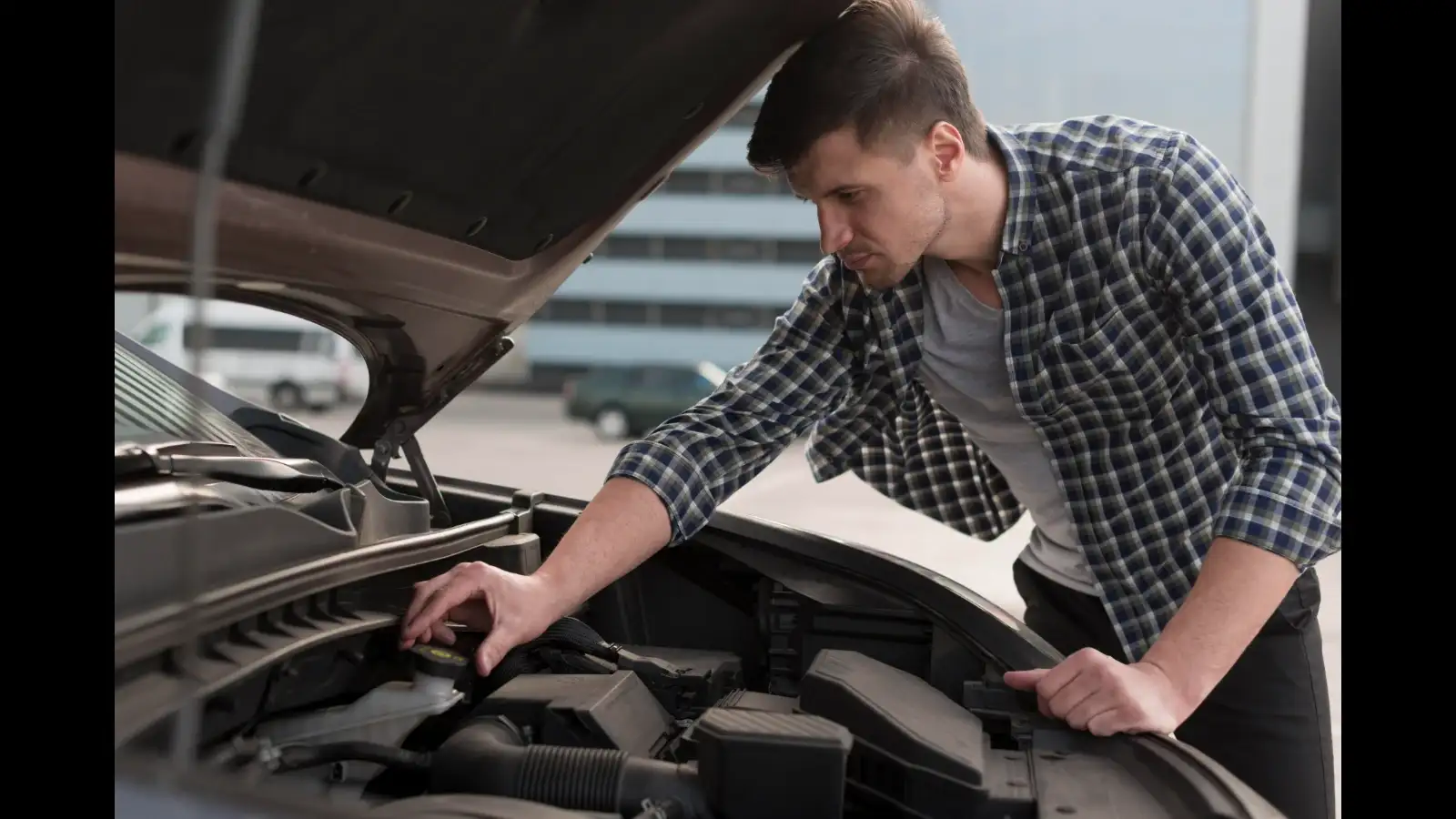
Run a coin or a tread-depth gauge across the grooves. The grooves channel water away from the contact patch; once they wear shallow, wet roads become genuinely dangerous. Check the spare as well. A flat spare discovered on the hard shoulder is a particular kind of misery.
The cooling system keeps the engine from destroying itself. On a highway, the engine runs at high load for long periods, and the coolant works harder than it does in stop-start traffic. Check the reservoir level against the min and max marks when the engine is cold. Never open the radiator cap on a hot engine, pressurised coolant at near-boiling temperature causes serious burns.
Look at the front of the radiator through the grille. Fins clogged with insects, dust, or plastic debris reduce airflow and cooling efficiency. A quick rinse with a garden hose, directed from the engine side outward, clears most of it.
Brake fluid absorbs moisture over time, which lowers its boiling point. Fluid that has taken on too much moisture can vaporise under sustained braking, a hard descent, an emergency stop, producing a spongy pedal with reduced stopping power. The reservoir is usually translucent; check that the level sits within the marked range.
Wiper blades that streak or skip on a dry windscreen will be useless in rain. Replace blades that leave bands of uncleared water. Check washer fluid while you are there; a dirty windscreen in low sun or oncoming headlights cuts visibility sharply.
Open the bonnet and look at the serpentine belt, the ribbed belt that drives the alternator, power steering pump, and air conditioning compressor. Cracks running across the ribs, fraying at the edges, or glazing on the flat side are signs it is close to failing. A snapped belt on a highway leaves the alternator dead, the battery draining, and the power steering gone.
Running through these six points the day before departure costs almost no time. What it buys is the difference between a drive where the car is a tool doing its job quietly and one where it becomes the problem you are managing instead of the road ahead.
1. Tyre Pressure and Tread Depth
Tyres carry the car's entire weight and generate heat as they roll. At highway speeds, an under-inflated tyre flexes more with every rotation, building heat faster than it can dissipate. That heat softens the rubber compound and, over a long run, can cause a blowout. Check pressure cold, before the car has moved, against the figure on the sticker inside the driver's door frame, not the maximum moulded into the tyre sidewall. Those two numbers are different for a reason.Run a coin or a tread-depth gauge across the grooves. The grooves channel water away from the contact patch; once they wear shallow, wet roads become genuinely dangerous. Check the spare as well. A flat spare discovered on the hard shoulder is a particular kind of misery.
2. Engine Oil Level
Pull the dipstick, wipe it clean, reinsert it fully, and pull it again. The oil level should sit between the two marks. Below the lower mark, the engine runs with insufficient lubrication; at sustained highway revs, bearing surfaces and cylinder walls wear faster. Top up with the grade specified in the owner's manual, not whatever is on the shelf. Note the colour too. Oil that looks like dark sludge rather than amber or dark brown has degraded and is overdue for a change before a long run.3. Coolant Level and Radiator Condition
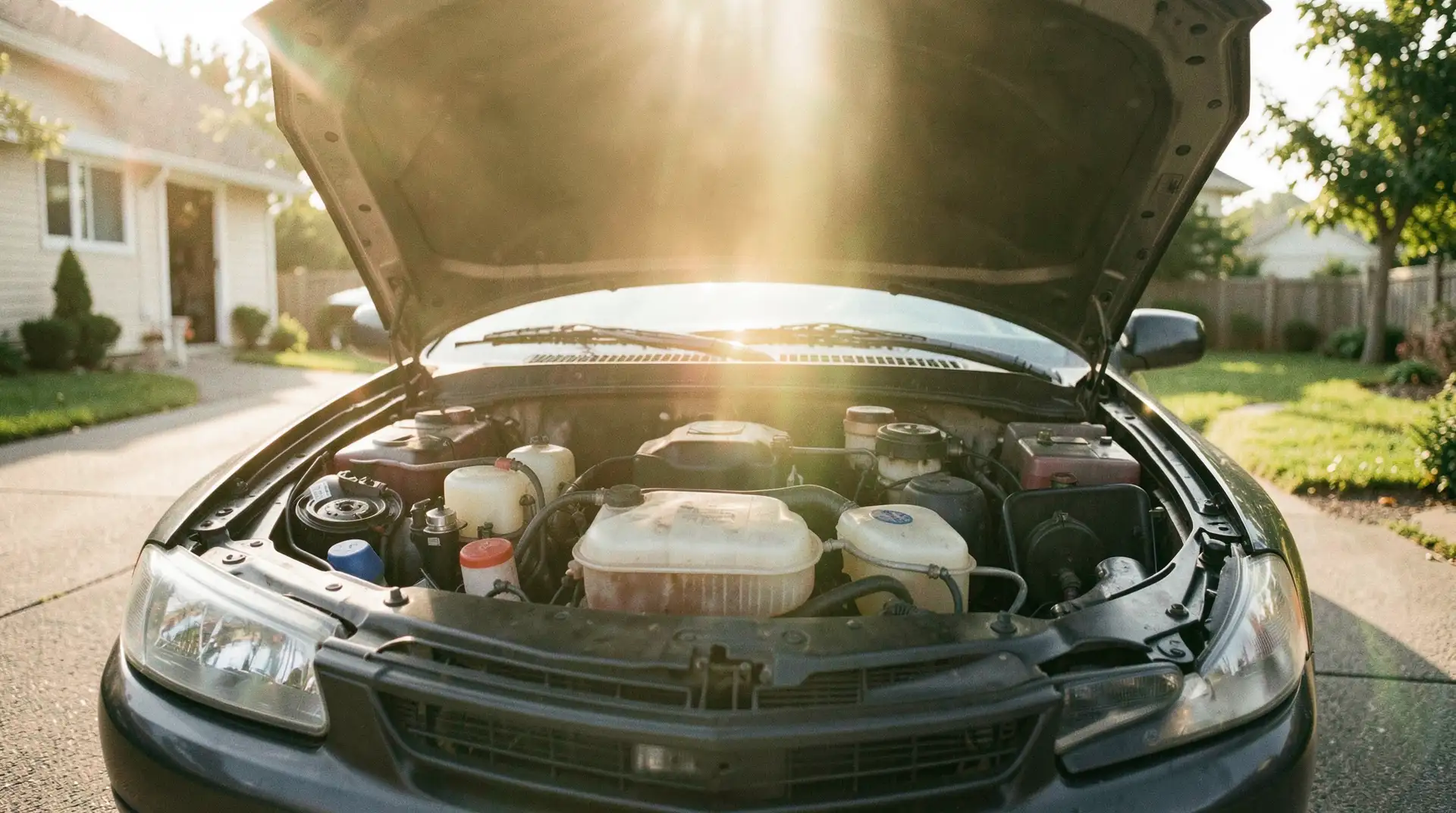
The cooling system keeps the engine from destroying itself. On a highway, the engine runs at high load for long periods, and the coolant works harder than it does in stop-start traffic. Check the reservoir level against the min and max marks when the engine is cold. Never open the radiator cap on a hot engine, pressurised coolant at near-boiling temperature causes serious burns.
Look at the front of the radiator through the grille. Fins clogged with insects, dust, or plastic debris reduce airflow and cooling efficiency. A quick rinse with a garden hose, directed from the engine side outward, clears most of it.
4. Brake Pads and Brake Fluid
Brakes on a highway stop a car from much higher speeds than city braking ever requires. Worn pads have less friction material to absorb that energy, and they heat up faster. Look through the wheel spokes at the calliper: most pads have a wear indicator groove or a metal tab. If the pad material looks thin, roughly the width of a coin, get them replaced before the drive.Brake fluid absorbs moisture over time, which lowers its boiling point. Fluid that has taken on too much moisture can vaporise under sustained braking, a hard descent, an emergency stop, producing a spongy pedal with reduced stopping power. The reservoir is usually translucent; check that the level sits within the marked range.
5. Lights and Wipers
Walk around the car with someone pressing the brake pedal, activating the indicators, and switching between low and high beam. A blown brake light is invisible to the driver and dangerous to everyone behind. Headlights on a night highway drive are not a backup, they are the only way to see and be seen.Wiper blades that streak or skip on a dry windscreen will be useless in rain. Replace blades that leave bands of uncleared water. Check washer fluid while you are there; a dirty windscreen in low sun or oncoming headlights cuts visibility sharply.
6. Battery and Belts
A battery that starts the car reliably in the driveway can fail when asked to restart after a hot soak at a highway rest stop. If the battery is more than three years old and has not been tested recently, a quick load test at a service centre takes minutes and confirms whether it holds charge under demand.Open the bonnet and look at the serpentine belt, the ribbed belt that drives the alternator, power steering pump, and air conditioning compressor. Cracks running across the ribs, fraying at the edges, or glazing on the flat side are signs it is close to failing. A snapped belt on a highway leaves the alternator dead, the battery draining, and the power steering gone.
Running through these six points the day before departure costs almost no time. What it buys is the difference between a drive where the car is a tool doing its job quietly and one where it becomes the problem you are managing instead of the road ahead.
Next Story