
Hero Vida VX2 Go Vs Ola S1 Z vs TVS iQube: Specs, Features, Price Compared

India’s urban mobility scene is witnessing a fierce showdown among affordable electric scooters as major manufacturers gear up to dominate the entry-level EV segment. With a focus on city riders who prioritise convenience, economy, and low maintenance, the competition among Hero’s newly launched Vida VX2 Go, TVS’s iQube, and Ola’s S1 Z is intensifying. Each of these models promises distinctive advantages in terms of battery life, speed, range, and pricing strategy, but which one truly delivers the best value? Here's a detailed breakdown for city commuters weighing their options.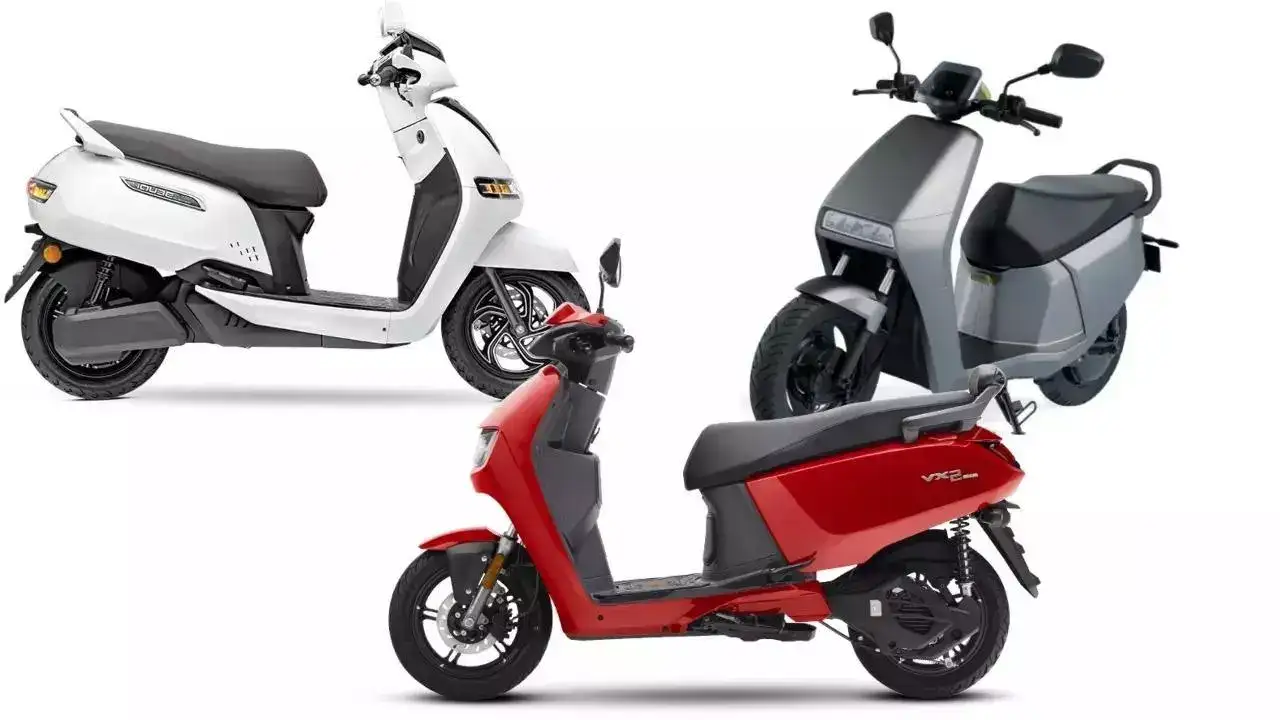
This scooter is fitted with a 2.2 kWh battery, delivering a claimed IDC range of 92 kilometres and a modest top speed of 70 kmph. The 580 W home charger takes about 2 hours and 41 minutes to charge from 0 to 80 percent. Those who prefer quicker top-ups can use a DC fast charger, which cuts the time to just one hour for the same charge range. This level of flexibility may suit urban riders looking for both affordability and convenience.
The iQube also boasts a torque output of 33 Nm and produces 5.9 horsepower, giving it better pickup in urban traffic. Its 0 to 80 percent charging time is nearly identical to the Vida VX2 Go, clocking in at approximately 2 hours and 45 minutes. Priced at ₹94,434 (ex-showroom), the iQube finds its sweet spot between cost and performance, ideal for users willing to pay a bit more for better torque and marginally improved range.
However, Ola offers flexibility in the form of an optional second battery that extends the range up to 146 kilometres, ideal for users who anticipate occasional longer rides. Another standout feature is the removable battery design, which allows charging indoors, a great convenience for apartment dwellers or those without a dedicated parking spot with charging access.
For those requiring a bit more versatility, the S1 Z+ variant (priced at ₹64,999) is targeted at both personal and light commercial users, offering more features without a huge price jump.
For buyers who are concerned about upfront cost, both the Hero’s BaaS model and Ola’s base price make strong arguments. However, those seeking performance consistency and established service networks might lean toward TVS. Meanwhile, riders who value modular charging solutions and range upgrade options could find Ola’s offering more suited to their lifestyle.
The electric scooter market in India is evolving rapidly, with manufacturers competing not only on price but also on value-added features like fast charging, flexible ownership, and smart battery solutions. Hero’s strategic pricing, TVS’s performance optimisation, and Ola’s modular innovations all point to a more consumer-friendly future for electric mobility. As infrastructure for EVs improves across Indian cities, the choice between these models will increasingly depend on individual commuting needs, charging habits, and budget preferences.
Hero Vida VX2 Go : Subscription Model Brings Competitive Edge
Hero MotoCorp’s Vida VX2 Go enters the market with a smart pricing twist that can appeal to cost-conscious buyers. While the full package with a battery costs ₹99,490 (ex-showroom), Hero offers a Battery-as-a-Service (BaaS) alternative. This model reduces the initial purchase price to just ₹59,490, with the battery available on a rental basis—making it easier for new riders to join the electric revolution without a heavy upfront investment.This scooter is fitted with a 2.2 kWh battery, delivering a claimed IDC range of 92 kilometres and a modest top speed of 70 kmph. The 580 W home charger takes about 2 hours and 41 minutes to charge from 0 to 80 percent. Those who prefer quicker top-ups can use a DC fast charger, which cuts the time to just one hour for the same charge range. This level of flexibility may suit urban riders looking for both affordability and convenience.
TVS iQube: Balanced Performance With Strong Specs
TVS’s iQube continues to stand tall among entry-level electric scooters, thanks to its tried-and-tested design and slight edge in performance. It is powered by a 2.2 kWh battery—similar to Hero’s model—but offers a slightly better IDC range of 94 kilometres and a higher top speed of 75 kmph. These incremental improvements, while small on paper, could matter to riders seeking efficiency without sacrificing speed.The iQube also boasts a torque output of 33 Nm and produces 5.9 horsepower, giving it better pickup in urban traffic. Its 0 to 80 percent charging time is nearly identical to the Vida VX2 Go, clocking in at approximately 2 hours and 45 minutes. Priced at ₹94,434 (ex-showroom), the iQube finds its sweet spot between cost and performance, ideal for users willing to pay a bit more for better torque and marginally improved range.
You may also like
- Tata Motors Commercial Vehicles Set to Get Costlier From October 1 — Check How Much Prices Could Rise
- Triumph's Retro Bonneville 400 Could Arrive Before Diwali 2026 — More Power, Classic Style
- Thinking of Modifying Your New Car? These Changes Could Create Warranty Problems
- OneTag Explained: Now Change Your FASTag Bank Without Removing the Sticker — 5 Things to Know
- Hyundai, Honda Preparing Four New SUVs with EV, Petrol and CNG Options
Ola S1 Z: Ultra-Affordable Entry With Modular Battery Options
Ola’s S1 Z shakes up the entry-level segment with an aggressive price of ₹59,999 (ex-showroom), making it the most budget-friendly of the three contenders. This model is equipped with a smaller 1.5 kWh battery, which supports a claimed IDC range of 75 kilometres—suitable for short daily commutes within the city.However, Ola offers flexibility in the form of an optional second battery that extends the range up to 146 kilometres, ideal for users who anticipate occasional longer rides. Another standout feature is the removable battery design, which allows charging indoors, a great convenience for apartment dwellers or those without a dedicated parking spot with charging access.
For those requiring a bit more versatility, the S1 Z+ variant (priced at ₹64,999) is targeted at both personal and light commercial users, offering more features without a huge price jump.
Key Differences: What Should Urban Commuters Consider?
While all three scooters are tailored to budget-conscious urban users, their differences lie in approach. The Hero Vida VX2 Go offers flexibility with its subscription model and fast-charging capability, TVS iQube balances affordability with slightly superior performance, and Ola S1 Z leads on entry-level pricing and modular battery options.For buyers who are concerned about upfront cost, both the Hero’s BaaS model and Ola’s base price make strong arguments. However, those seeking performance consistency and established service networks might lean toward TVS. Meanwhile, riders who value modular charging solutions and range upgrade options could find Ola’s offering more suited to their lifestyle.
The electric scooter market in India is evolving rapidly, with manufacturers competing not only on price but also on value-added features like fast charging, flexible ownership, and smart battery solutions. Hero’s strategic pricing, TVS’s performance optimisation, and Ola’s modular innovations all point to a more consumer-friendly future for electric mobility. As infrastructure for EVs improves across Indian cities, the choice between these models will increasingly depend on individual commuting needs, charging habits, and budget preferences.






Loving Newspoint? Download the app now
