
India's Drunk Driving Regulations: Essential Information For Adults & Minors

In a tragic incident in Pune, a 17-year-old boy was involved in a fatal crash that resulted in the deaths of two motorcyclists. The boy was released on bail just 15 hours after the accident, raising questions about juvenile justice and road safety regulations in India. Despite the Pune police's request to treat him as an adult, the court decided otherwise, granting bail under the Juvenile Justice Act with specific conditions.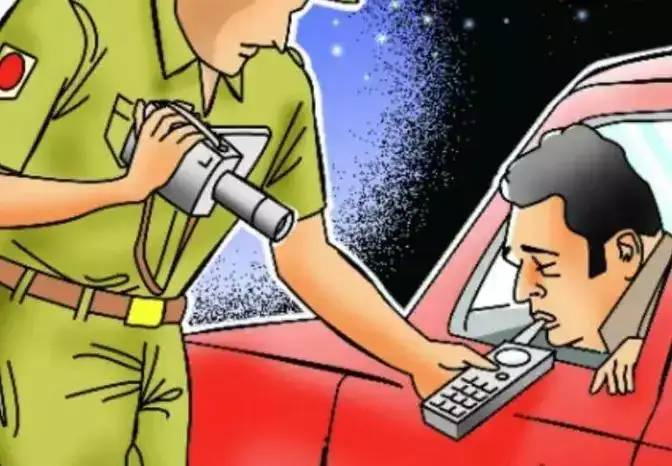
The Incident and Immediate Legal Actions
Following the accident, which occurred in Pune City's Yerwada area, police arrived promptly at the scene. The minor was charged with rash and negligent driving, endangering life, and causing harm under several sections of the Indian Penal Code (IPC) – specifically 304A (causing death by negligence), 279 (rash driving), 337 (causing hurt by act endangering life or personal safety of others), 338 (causing grievous hurt by act endangering life or personal safety of others), and 427 (mischief causing damage).
Additional charges were filed under relevant sections of the Maharashtra Motor Vehicle Act. Despite the gravity of the charges, the court's decision to release the minor on bail has sparked a debate on the effectiveness of current laws concerning juvenile offenders.
Juvenile Justice vs. Adult Prosecution
The Juvenile Justice Act in India aims to rehabilitate rather than punish minors. When the Pune police presented the 17-year-old before the magistrate, they argued for him to be tried as an adult due to the severe consequences of his actions. However, the court maintained that the Juvenile Justice Act's provisions were more appropriate in this case. The Act provides for bail under certain conditions, which were applied here.
This incident underscores the tension between the rehabilitative approach of juvenile justice and the demand for stricter penalties in cases involving serious offenses like fatal accidents. It raises critical questions about whether the current legal framework adequately addresses the complexities of such situations.
Road Accidents and Drunk Driving in India
The Pune incident is a stark reminder of the broader issue of road accidents and fatalities in India, many of which are attributed to drunk driving. Statistics show that a significant number of accidents involve drivers under the influence of alcohol, prompting a closer look at the country's drunk driving laws.
Drunk Driving Laws for Adults
In India, the legal blood alcohol content (BAC) limit for private vehicle owners is 0.03% (30 mg of alcohol per 100 ml of blood). For commercial vehicle drivers, a stricter zero-tolerance policy often applies. Penalties for violating these limits are severe. First-time offenders face a fine of up to Rs 10,000, imprisonment for up to six months, and possible suspension of their driving licence.
Repeat offenders face even harsher penalties, including fines up to Rs 15,000, imprisonment for up to two years, and longer suspension or permanent cancellation of their driving licences. If a drunk driving incident results in injury, the offender can be imprisoned for up to two years. If it leads to death, the imprisonment term ranges from two to seven years, accompanied by substantial fines.
Drunk Driving Laws for Minors
For minors, any detectable amount of alcohol in the blood while driving is illegal. The legal drinking age varies across states, ranging from 18 to 25 years. Some states, such as Gujarat, Bihar, Nagaland, and Manipur, have implemented complete bans on alcohol. Other states like Haryana and Goa have set the legal drinking age at 25 years, while many others permit those aged 21 and above to consume alcohol.
When a minor is caught driving under the influence, the responsibility falls on the guardian or the vehicle's owner. They face penalties including imprisonment for up to three years and a fine of Rs 25,000. The vehicle’s registration is also cancelled for 12 months. If the minor holds a driving licence, it is suspended, and they are barred from obtaining a new one until they reach the age of 25.
The Way Forward: Balancing Justice and Safety
The case in Pune highlights the need for a balanced approach to juvenile justice and road safety. While rehabilitation of minors is crucial, ensuring that serious offences like fatal road accidents are met with appropriate legal responses is equally important. This incident may serve as a catalyst for reviewing and possibly amending existing laws to better address such tragic occurrences.
As the nation grapples with the complexities of juvenile justice and the ongoing menace of drunk driving, it is essential to foster a legal environment that both deters reckless behaviour and promotes responsible driving practices among all age groups.
The Incident and Immediate Legal Actions
Following the accident, which occurred in Pune City's Yerwada area, police arrived promptly at the scene. The minor was charged with rash and negligent driving, endangering life, and causing harm under several sections of the Indian Penal Code (IPC) – specifically 304A (causing death by negligence), 279 (rash driving), 337 (causing hurt by act endangering life or personal safety of others), 338 (causing grievous hurt by act endangering life or personal safety of others), and 427 (mischief causing damage).
Additional charges were filed under relevant sections of the Maharashtra Motor Vehicle Act. Despite the gravity of the charges, the court's decision to release the minor on bail has sparked a debate on the effectiveness of current laws concerning juvenile offenders.
Juvenile Justice vs. Adult Prosecution
The Juvenile Justice Act in India aims to rehabilitate rather than punish minors. When the Pune police presented the 17-year-old before the magistrate, they argued for him to be tried as an adult due to the severe consequences of his actions. However, the court maintained that the Juvenile Justice Act's provisions were more appropriate in this case. The Act provides for bail under certain conditions, which were applied here.
This incident underscores the tension between the rehabilitative approach of juvenile justice and the demand for stricter penalties in cases involving serious offenses like fatal accidents. It raises critical questions about whether the current legal framework adequately addresses the complexities of such situations.
You may also like
- CNG SUVs Are Becoming the New Favourite: Maruti Bets Big as Demand Soars Across India
- Made-in-India EVs Are Winning Global Markets: Exports Surge as Demand Grows Across Europe and Africa
- Jeep Celebrates 85 Years with Exclusive Meridian Anniversary Edition, Only 85 Units to Be Sold in India
- Hyundai i20 Crosses 15 Lakh Sales in India, Strengthens Its Position in the Premium Hatchback Segment
- New Renault Duster Adventure Edition Launched at ₹12.99 Lakh: Special SUV Built for Off-Road Lovers
Road Accidents and Drunk Driving in India
The Pune incident is a stark reminder of the broader issue of road accidents and fatalities in India, many of which are attributed to drunk driving. Statistics show that a significant number of accidents involve drivers under the influence of alcohol, prompting a closer look at the country's drunk driving laws.
Drunk Driving Laws for Adults
In India, the legal blood alcohol content (BAC) limit for private vehicle owners is 0.03% (30 mg of alcohol per 100 ml of blood). For commercial vehicle drivers, a stricter zero-tolerance policy often applies. Penalties for violating these limits are severe. First-time offenders face a fine of up to Rs 10,000, imprisonment for up to six months, and possible suspension of their driving licence.
Repeat offenders face even harsher penalties, including fines up to Rs 15,000, imprisonment for up to two years, and longer suspension or permanent cancellation of their driving licences. If a drunk driving incident results in injury, the offender can be imprisoned for up to two years. If it leads to death, the imprisonment term ranges from two to seven years, accompanied by substantial fines.
Drunk Driving Laws for Minors
For minors, any detectable amount of alcohol in the blood while driving is illegal. The legal drinking age varies across states, ranging from 18 to 25 years. Some states, such as Gujarat, Bihar, Nagaland, and Manipur, have implemented complete bans on alcohol. Other states like Haryana and Goa have set the legal drinking age at 25 years, while many others permit those aged 21 and above to consume alcohol.
When a minor is caught driving under the influence, the responsibility falls on the guardian or the vehicle's owner. They face penalties including imprisonment for up to three years and a fine of Rs 25,000. The vehicle’s registration is also cancelled for 12 months. If the minor holds a driving licence, it is suspended, and they are barred from obtaining a new one until they reach the age of 25.
The Way Forward: Balancing Justice and Safety
The case in Pune highlights the need for a balanced approach to juvenile justice and road safety. While rehabilitation of minors is crucial, ensuring that serious offences like fatal road accidents are met with appropriate legal responses is equally important. This incident may serve as a catalyst for reviewing and possibly amending existing laws to better address such tragic occurrences.
As the nation grapples with the complexities of juvenile justice and the ongoing menace of drunk driving, it is essential to foster a legal environment that both deters reckless behaviour and promotes responsible driving practices among all age groups.






Loving Newspoint? Download the app now
