
Maruti Suzuki Boosts Safety Standards With Six Airbags As Standard in Entry-level Cars

Maruti Suzuki has taken a significant step towards enhancing safety in its entry-level models by making six airbags a standard feature. This strategic upgrade marks a shift for the brand, traditionally recognised for its budget-friendly offerings, as it prioritises passenger protection across its Arena range. Popular models such as the WagonR, Alto K10, Celerio, and Eeco will now be equipped with this advanced safety feature, bringing them in line with Maruti’s more premium models like the Brezza, Swift, and Dzire. This move not only elevates the brand’s commitment to safety but also responds to growing consumer demand for better protection on the road.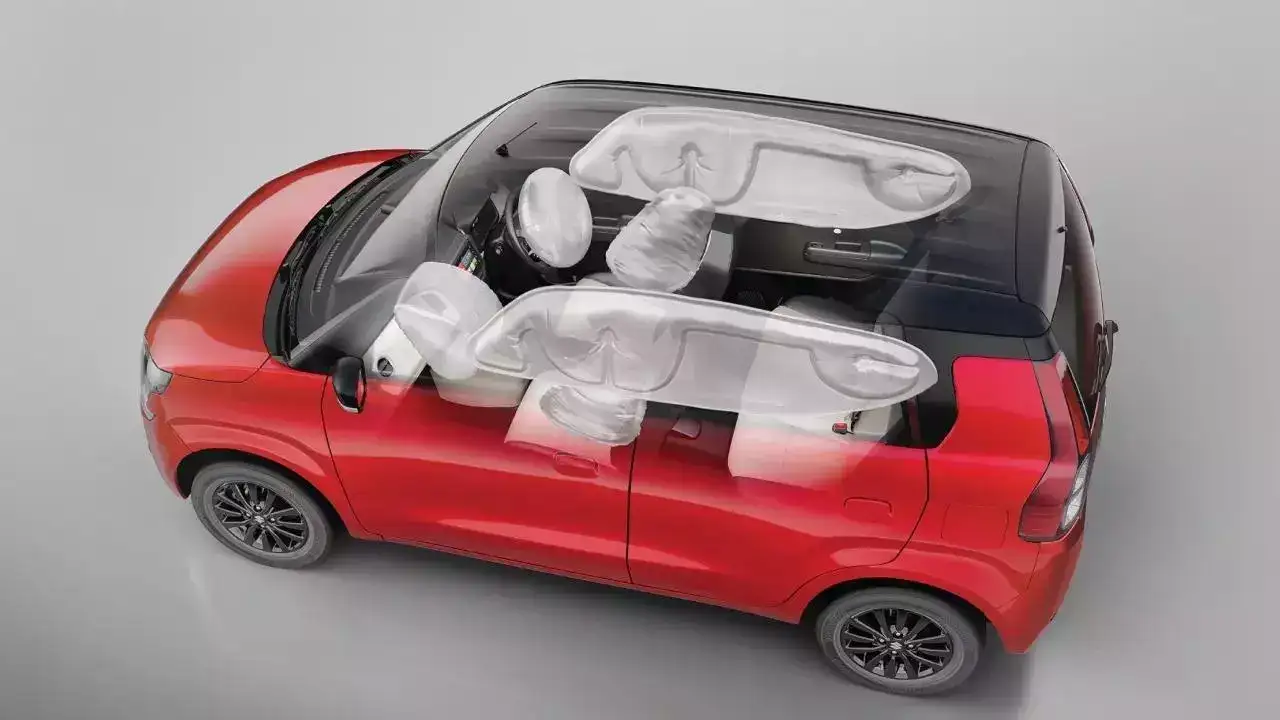
Enhanced Passenger Protection with Six Airbags
The newly standardised six-airbag setup in Maruti Suzuki's Arena range is designed to provide comprehensive protection for all occupants. This configuration includes dual front airbags, side airbags, and curtain airbags. The dual front airbags, positioned in the steering wheel and dashboard, are intended to safeguard the driver and front passenger in the event of a frontal collision by cushioning the impact.
Side airbags are integrated into the front seats, offering an added layer of defence during side-impact collisions. These airbags reduce the risk of injury by absorbing the shock and protecting vital areas like the chest and abdomen. Furthermore, curtain airbags extend along the side windows, shielding both front and rear passengers from head injuries by acting as a buffer during side crashes. This arrangement is a major step forward for Maruti Suzuki’s entry-level models, ensuring a safer driving experience for all occupants.
Advanced Safety Technologies for Greater Stability and Control
In addition to the six airbags, Maruti Suzuki has incorporated several advanced safety technologies to further enhance road safety. Key among these is Electronic Stability Control (ESC), a system designed to maintain vehicle stability during sharp turns or sudden manoeuvres. By monitoring the vehicle's movement and adjusting braking power to individual wheels, ESC helps prevent skidding and loss of control, especially on slippery surfaces.
Hill Hold Assist is another critical feature now standard in these models. It prevents the car from rolling backwards when starting on a steep incline, offering drivers greater control and confidence, particularly in hilly areas. Additionally, Maruti Suzuki has included an Anti-lock Braking System (ABS) with Electronic Brake-force Distribution (EBD), which optimises braking efficiency. ABS prevents wheel lock-up during sudden braking, while EBD ensures balanced brake force distribution to all four wheels, enhancing stopping power and stability.
Improved Seatbelt Safety Measures Across Models
To further strengthen safety, Maruti Suzuki has equipped its Arena models with three-point seat belts for all passengers. Unlike traditional two-point belts, three-point seat belts secure passengers at both the lap and shoulder, significantly reducing the risk of injury during a crash. Additionally, the cars feature seatbelt reminders for all occupants, ensuring that safety measures are adhered to throughout the journey.
These enhancements not only align Maruti Suzuki's entry-level cars with global safety standards but also address the growing consumer focus on in-car safety features. With these upgrades, the brand is setting a new benchmark in the entry-level segment, making advanced safety technology accessible to a broader audience.
A Major Step Towards Safer Roads in India
Maruti Suzuki's decision to equip its Arena range with six airbags as standard is a bold move in the Indian automobile market. It signifies the company's commitment to prioritising passenger safety without compromising affordability. As more consumers recognise the importance of advanced safety features, this upgrade could set a new trend among budget car manufacturers, raising the bar for safety across the segment.
Maruti Suzuki’s latest initiative is not merely an upgrade but a statement—safety is no longer a premium feature reserved for top-end models. With this move, Maruti aims to redefine what Indian consumers can expect from entry-level cars, ensuring that enhanced protection is available to all.
Enhanced Passenger Protection with Six Airbags
The newly standardised six-airbag setup in Maruti Suzuki's Arena range is designed to provide comprehensive protection for all occupants. This configuration includes dual front airbags, side airbags, and curtain airbags. The dual front airbags, positioned in the steering wheel and dashboard, are intended to safeguard the driver and front passenger in the event of a frontal collision by cushioning the impact. Side airbags are integrated into the front seats, offering an added layer of defence during side-impact collisions. These airbags reduce the risk of injury by absorbing the shock and protecting vital areas like the chest and abdomen. Furthermore, curtain airbags extend along the side windows, shielding both front and rear passengers from head injuries by acting as a buffer during side crashes. This arrangement is a major step forward for Maruti Suzuki’s entry-level models, ensuring a safer driving experience for all occupants.
You may also like
- 3 Affordable Electric Cars From Maruti, Hyundai and Kia Coming by 2027
- 2026 Maruti Baleno Facelift: 8 Major Changes That Could Make It More Exciting
- New Bajaj Pulsar 125 and Pulsar 150 Launched: Prices, Features and What's New
- Car Buyers, Check These August Offers: Tata, Maruti, Hyundai and Kia Are Giving Big Discounts
- EV Range Dropping After a Full Charge? 5 Battery-Charging Mistakes You Should Avoid
Advanced Safety Technologies for Greater Stability and Control
In addition to the six airbags, Maruti Suzuki has incorporated several advanced safety technologies to further enhance road safety. Key among these is Electronic Stability Control (ESC), a system designed to maintain vehicle stability during sharp turns or sudden manoeuvres. By monitoring the vehicle's movement and adjusting braking power to individual wheels, ESC helps prevent skidding and loss of control, especially on slippery surfaces. Hill Hold Assist is another critical feature now standard in these models. It prevents the car from rolling backwards when starting on a steep incline, offering drivers greater control and confidence, particularly in hilly areas. Additionally, Maruti Suzuki has included an Anti-lock Braking System (ABS) with Electronic Brake-force Distribution (EBD), which optimises braking efficiency. ABS prevents wheel lock-up during sudden braking, while EBD ensures balanced brake force distribution to all four wheels, enhancing stopping power and stability.
Improved Seatbelt Safety Measures Across Models
To further strengthen safety, Maruti Suzuki has equipped its Arena models with three-point seat belts for all passengers. Unlike traditional two-point belts, three-point seat belts secure passengers at both the lap and shoulder, significantly reducing the risk of injury during a crash. Additionally, the cars feature seatbelt reminders for all occupants, ensuring that safety measures are adhered to throughout the journey. These enhancements not only align Maruti Suzuki's entry-level cars with global safety standards but also address the growing consumer focus on in-car safety features. With these upgrades, the brand is setting a new benchmark in the entry-level segment, making advanced safety technology accessible to a broader audience.
A Major Step Towards Safer Roads in India
Maruti Suzuki's decision to equip its Arena range with six airbags as standard is a bold move in the Indian automobile market. It signifies the company's commitment to prioritising passenger safety without compromising affordability. As more consumers recognise the importance of advanced safety features, this upgrade could set a new trend among budget car manufacturers, raising the bar for safety across the segment. Maruti Suzuki’s latest initiative is not merely an upgrade but a statement—safety is no longer a premium feature reserved for top-end models. With this move, Maruti aims to redefine what Indian consumers can expect from entry-level cars, ensuring that enhanced protection is available to all.






Loving Newspoint? Download the app now
