Should You Switch to a Push-Button Start Car? Here's What to Know

In today’s modern automotive landscape, push-button start car s have become a popular feature, signaling a shift away from traditional keys. But is switching to a push-button start car the right move for you? Let’s explore the benefits, potential drawbacks, and key considerations to help you decide.
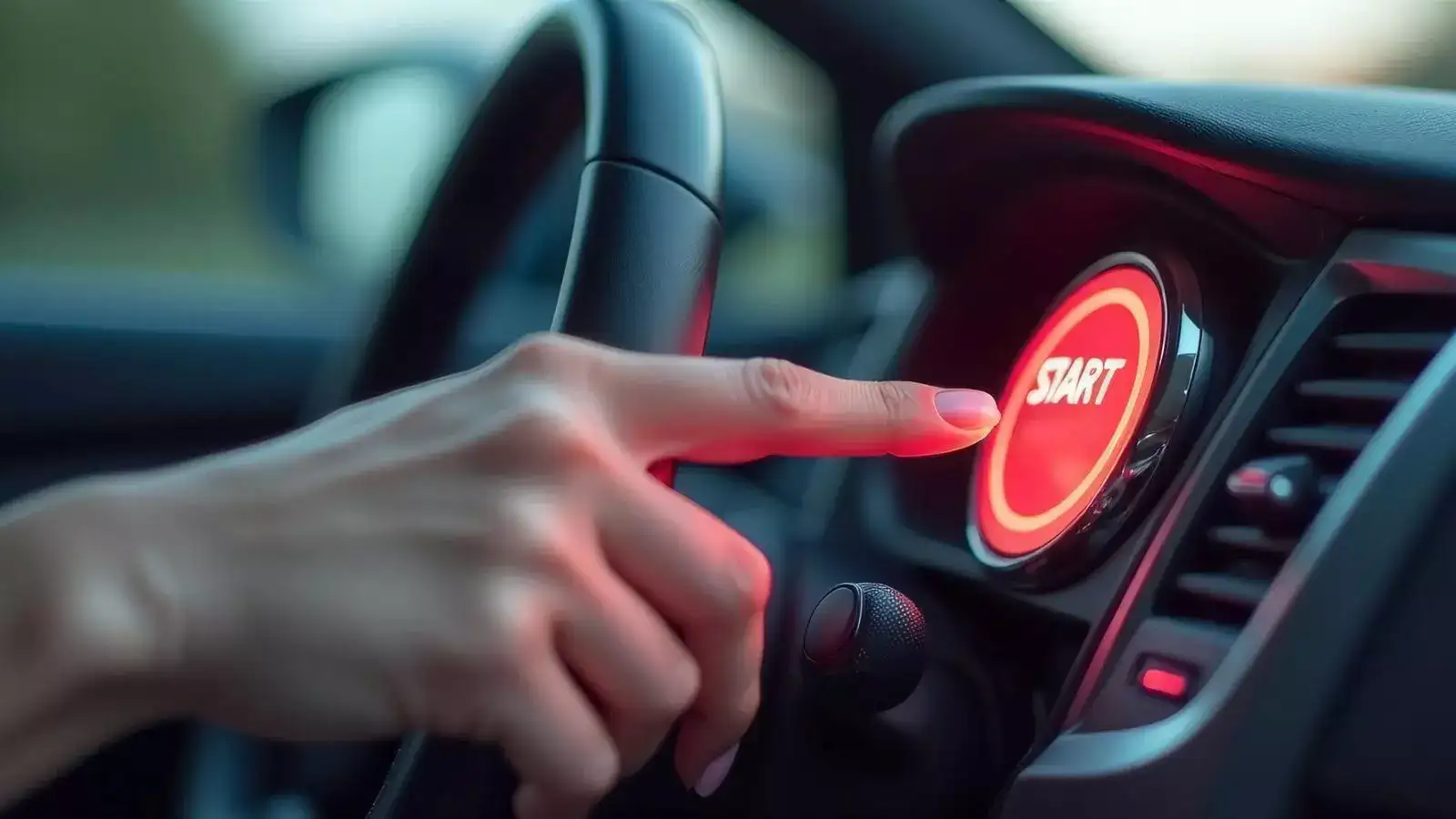
Hero Image


The Advantages of Push-Button Start Cars

Convenience and Ease of Use
With push-button start systems, you can start your car effortlessly. As long as the key fob is inside the vehicle, a simple press of the button is all it takes.


Many models come with keyless entry, so you don’t have to fumble for your keys while your hands are full.

Enhanced Security
Advanced key fobs often use encrypted signals, making it more difficult for thieves to hotwire or steal your vehicle.


Some systems include proximity sensors, preventing the car from starting unless the fob is nearby.

Modern Aesthetic and Tech Appeal


Push-button start systems give your vehicle a cutting-edge feel, appealing to tech-savvy drivers.

They often come bundled with other advanced features like remote start and app integration.

Durability
Traditional ignition systems can wear out over time, especially with frequent use. Push-button systems have fewer mechanical components, reducing wear and tear.


Potential Drawbacks

Cost
Vehicles with push-button start systems are often pricier, both in terms of initial purchase and maintenance.

Replacing a lost or damaged key fob can be expensive, with costs ranging from $100 to $500 or more.

Learning Curve
Drivers new to push-button systems might find it confusing at first, especially when parking or turning off the vehicle completely.

Battery Dependency
The key fob relies on a battery, which can die unexpectedly. If this happens, accessing or starting your car may require backup solutions.