
How Shock Absorbers Stop Your Car from Bouncing After a Speed Breaker

Hit a speed breaker at walking pace and your car dips, rises, and then sits still. Hit one without working shock absorbers and the car keeps pitching, nose up, nose down, for several seconds afterward. That difference is the entire job of a shock absorber, and it comes down to one principle: converting motion into heat.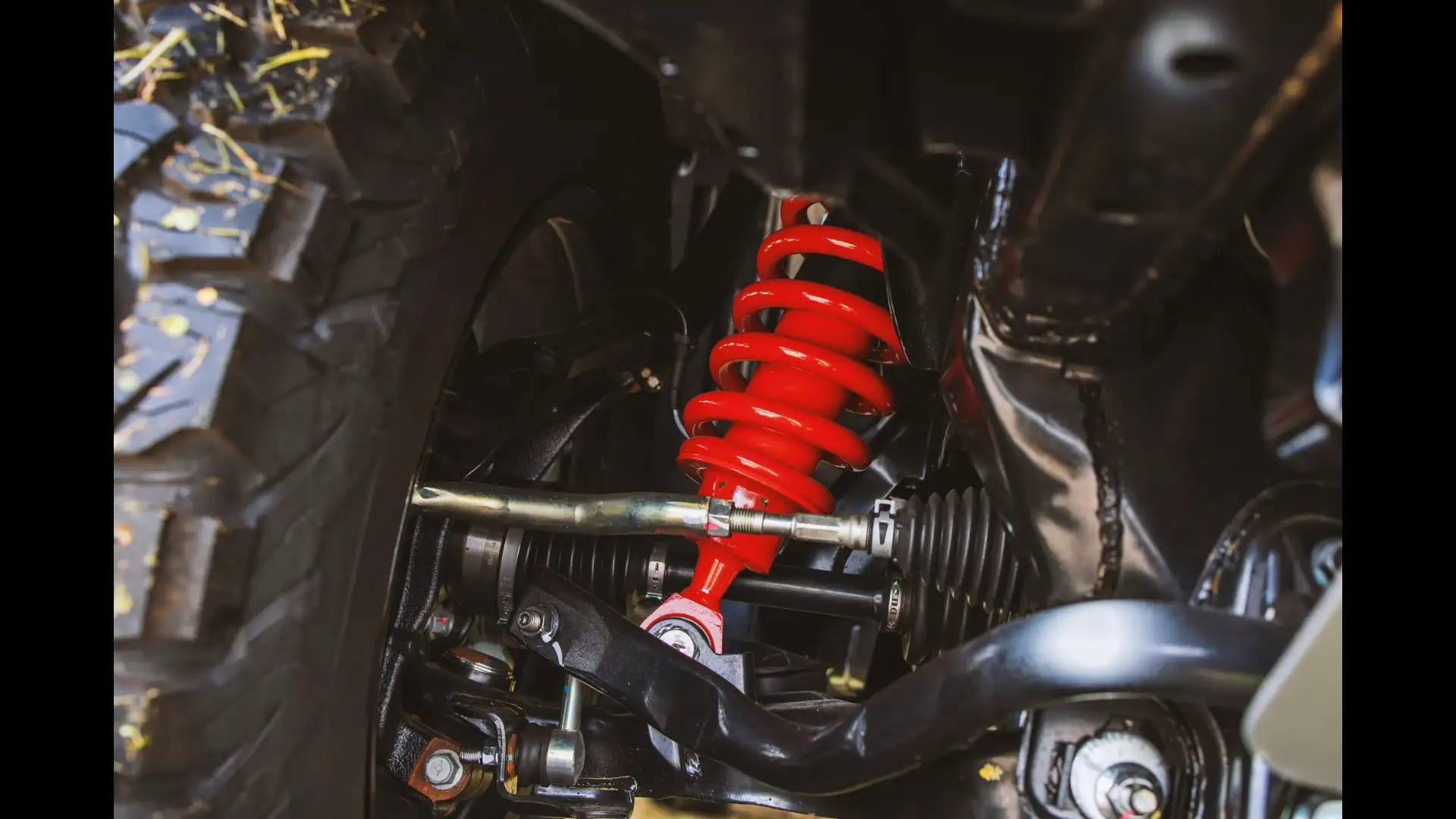
When a wheel hits a speed breaker, the spring compresses to take the force, then releases it. Left alone, a spring will keep bouncing at its natural frequency, like a mattress you have just pressed and let go. The shock absorber's only job is to kill that bounce before it completes a second cycle.
The oil resists being forced through those small holes, and that resistance slows the piston down. The energy of the moving spring is converted into heat in the oil, which dissipates into the air around the tube.
The spring stops bouncing because every time it tries to move the piston, the oil takes a cut of that energy away. By the second or third attempt, there is not enough energy left to continue.
Most modern units use different valve settings for each direction. Rebound is typically tuned stiffer than compression. The reason is straightforward, during rebound, the tyre needs to stay in contact with the road. If the wheel snaps back down too fast, it skips rather than rolls, and for a fraction of a second the tyre has no grip.
A stiffer rebound valve slows that return stroke and keeps the rubber planted.
Once air gets into the circuit, the resistance becomes inconsistent, the piston moves through a pocket of air with almost no resistance, then hits oil again. The result is the bouncing that should have stopped after one cycle continuing for three or four.
A worn shock absorber also lets the body roll more in corners and dive more under braking, because the spring is no longer being controlled on its return stroke.
Pressing down on each corner of a parked car and releasing it is a rough check: one clean return means the damper is working; a second dip means it likely is not.
Nitrogen does not mix with the oil, keeps it under pressure, and prevents foaming. The result is more consistent damping when the suspension is working hard over a rough road. The physics is the same as a standard unit; the gas charge simply keeps the oil behaving like oil even when it is hot.
A speed breaker is a small, controlled version of every rough road a car encounters. The spring takes the hit, and the shock absorber decides how quickly the car forgets it happened.
When that oil can no longer slow the piston reliably, the car does not just ride poorly, the tyres spend more time lifting off the surface than they should, and the driver has less control than the speedometer suggests.
The Spring Does the Absorbing, Not the Shock Absorber
Most people assume the shock absorber cushions the bump. It does not. That work belongs to the coil spring or leaf spring sitting alongside it.When a wheel hits a speed breaker, the spring compresses to take the force, then releases it. Left alone, a spring will keep bouncing at its natural frequency, like a mattress you have just pressed and let go. The shock absorber's only job is to kill that bounce before it completes a second cycle.
What Is Actually Inside the Tube
A shock absorber is a sealed cylinder filled with hydraulic oil, with a piston moving through it. The piston has tiny holes, called orifices, drilled into it. When the suspension moves up after a bump, the piston pushes through the oil.The oil resists being forced through those small holes, and that resistance slows the piston down. The energy of the moving spring is converted into heat in the oil, which dissipates into the air around the tube.
The spring stops bouncing because every time it tries to move the piston, the oil takes a cut of that energy away. By the second or third attempt, there is not enough energy left to continue.
Why the Valving Has to Work in Both Directions
A shock absorber has to manage two separate events: compression, when the wheel hits the bump and the suspension collapses upward, and rebound, when the spring pushes the wheel back down.Most modern units use different valve settings for each direction. Rebound is typically tuned stiffer than compression. The reason is straightforward, during rebound, the tyre needs to stay in contact with the road. If the wheel snaps back down too fast, it skips rather than rolls, and for a fraction of a second the tyre has no grip.
A stiffer rebound valve slows that return stroke and keeps the rubber planted.
When Shock Absorbers Wear Out
The oil inside degrades over time. Seals around the piston rod develop small leaks, letting oil escape and air enter. Air compresses; oil does not.Once air gets into the circuit, the resistance becomes inconsistent, the piston moves through a pocket of air with almost no resistance, then hits oil again. The result is the bouncing that should have stopped after one cycle continuing for three or four.
A worn shock absorber also lets the body roll more in corners and dive more under braking, because the spring is no longer being controlled on its return stroke.
Pressing down on each corner of a parked car and releasing it is a rough check: one clean return means the damper is working; a second dip means it likely is not.
Gas-Charged Units and Why They Exist
Standard hydraulic shock absorbers can develop a problem under repeated hard use: the oil heats up so much that it begins to foam, and foamy oil behaves like air, compressible and inconsistent. Gas-charged units solve this by pressurising the oil chamber with nitrogen.Nitrogen does not mix with the oil, keeps it under pressure, and prevents foaming. The result is more consistent damping when the suspension is working hard over a rough road. The physics is the same as a standard unit; the gas charge simply keeps the oil behaving like oil even when it is hot.
A speed breaker is a small, controlled version of every rough road a car encounters. The spring takes the hit, and the shock absorber decides how quickly the car forgets it happened.
When that oil can no longer slow the piston reliably, the car does not just ride poorly, the tyres spend more time lifting off the surface than they should, and the driver has less control than the speedometer suggests.
Next Story