
Black Bananas: When Are They Safe to Eat and When Should You Throw Them Away?

Many people throw away bananas as soon as they develop black spots, assuming the fruit has gone bad. However, those dark marks are often just a natural sign of ripening. In fact, a spotted banana can be sweeter, softer, and perfect for eating or cooking.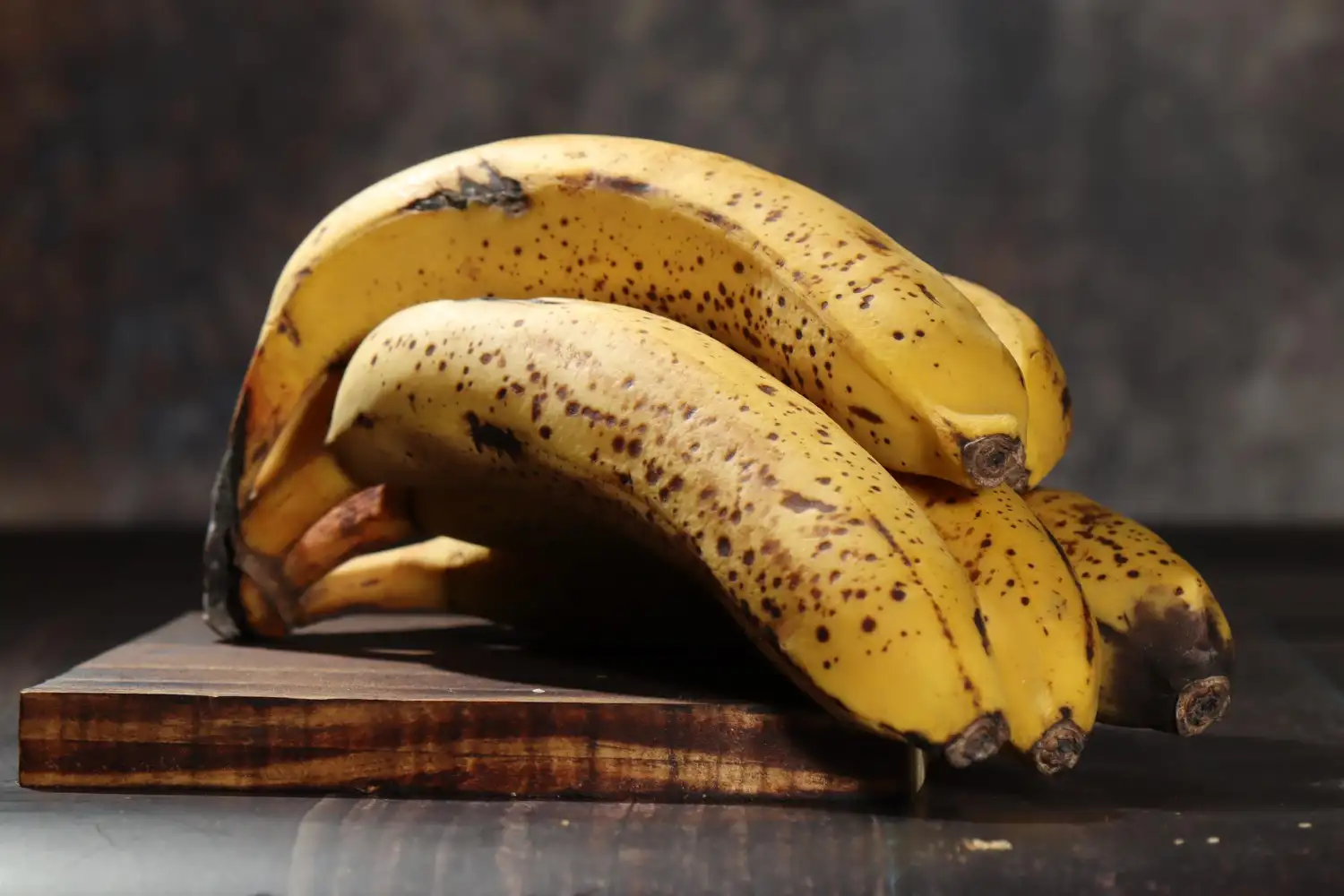
Why do bananas develop black spots?
Bananas naturally change colour as they ripen. A green banana slowly turns yellow and then develops brown or black spots due to a natural process involving a plant hormone called 'ethylene'.
Ethylene helps break down the banana’s cells and converts starch into sugar. This is why ripe bananas taste sweeter and become softer. So, black spots usually indicate that the banana is mature, not spoiled.
Can you eat a banana with black spots?
Yes, in most cases, a banana with black spots is completely safe to eat. The spots simply show that the fruit has ripened and its flavour has developed.
A ripe banana is often sweeter and easier to digest compared to a less ripe one. It is also ideal for making smoothies, shakes, pancakes, cakes, and other desserts. Instead of throwing away spotted bananas, you can use them in recipes where their natural sweetness adds extra flavour.
When should you avoid eating a banana?
While black spots alone are not a reason to discard a banana, some signs indicate that the fruit has actually spoiled. Avoid eating it if:
Are overripe bananas more nutritious?
As bananas ripen, their starch content changes into natural sugars, making them softer and sweeter. This also makes them easier to digest. Ripe bananas are especially popular among children and are commonly used in baking and beverages.
Many people prefer slightly ripe bananas for their mild sweetness, while others enjoy the richer taste of heavily spotted bananas. The choice mostly depends on personal preference.
Don’t judge a banana only by its appearance
A few black spots do not mean a banana belongs in the trash. Before throwing it away, check its smell, texture, and inside condition. If it looks and smells normal, it is likely still good to eat.
So, the next time you see black spots on a banana, don’t discard it immediately. It may simply be a perfectly ripe fruit waiting to be enjoyed.
Why do bananas develop black spots?
Bananas naturally change colour as they ripen. A green banana slowly turns yellow and then develops brown or black spots due to a natural process involving a plant hormone called 'ethylene'. Ethylene helps break down the banana’s cells and converts starch into sugar. This is why ripe bananas taste sweeter and become softer. So, black spots usually indicate that the banana is mature, not spoiled.
Can you eat a banana with black spots?
Yes, in most cases, a banana with black spots is completely safe to eat. The spots simply show that the fruit has ripened and its flavour has developed. A ripe banana is often sweeter and easier to digest compared to a less ripe one. It is also ideal for making smoothies, shakes, pancakes, cakes, and other desserts. Instead of throwing away spotted bananas, you can use them in recipes where their natural sweetness adds extra flavour.
When should you avoid eating a banana?
While black spots alone are not a reason to discard a banana, some signs indicate that the fruit has actually spoiled. Avoid eating it if: - It has a foul or unusual smell
- You notice mould or fungus on the peel or inside
- The banana is leaking liquid
- The texture is extremely slimy or mushy
- It has a strange sour or unpleasant taste
Are overripe bananas more nutritious?
As bananas ripen, their starch content changes into natural sugars, making them softer and sweeter. This also makes them easier to digest. Ripe bananas are especially popular among children and are commonly used in baking and beverages. Many people prefer slightly ripe bananas for their mild sweetness, while others enjoy the richer taste of heavily spotted bananas. The choice mostly depends on personal preference.
Don’t judge a banana only by its appearance
A few black spots do not mean a banana belongs in the trash. Before throwing it away, check its smell, texture, and inside condition. If it looks and smells normal, it is likely still good to eat.So, the next time you see black spots on a banana, don’t discard it immediately. It may simply be a perfectly ripe fruit waiting to be enjoyed.






Loving Newspoint? Download the app now
