
BPCL Denies Viral Claim That E20 Petrol Attracts Ants, Says It Is Not Scientifically Proven

A viral social media video claiming that E20 petrol attracts ants has prompted Bharat Petroleum Corporation Limited ( BPCL ) to issue an official clarification. The video, which has been widely shared online, shows a cluster of ants gathered around a car's fuel filler cap and suggests that the presence of ethanol-blended fuel in the tank is the reason behind it.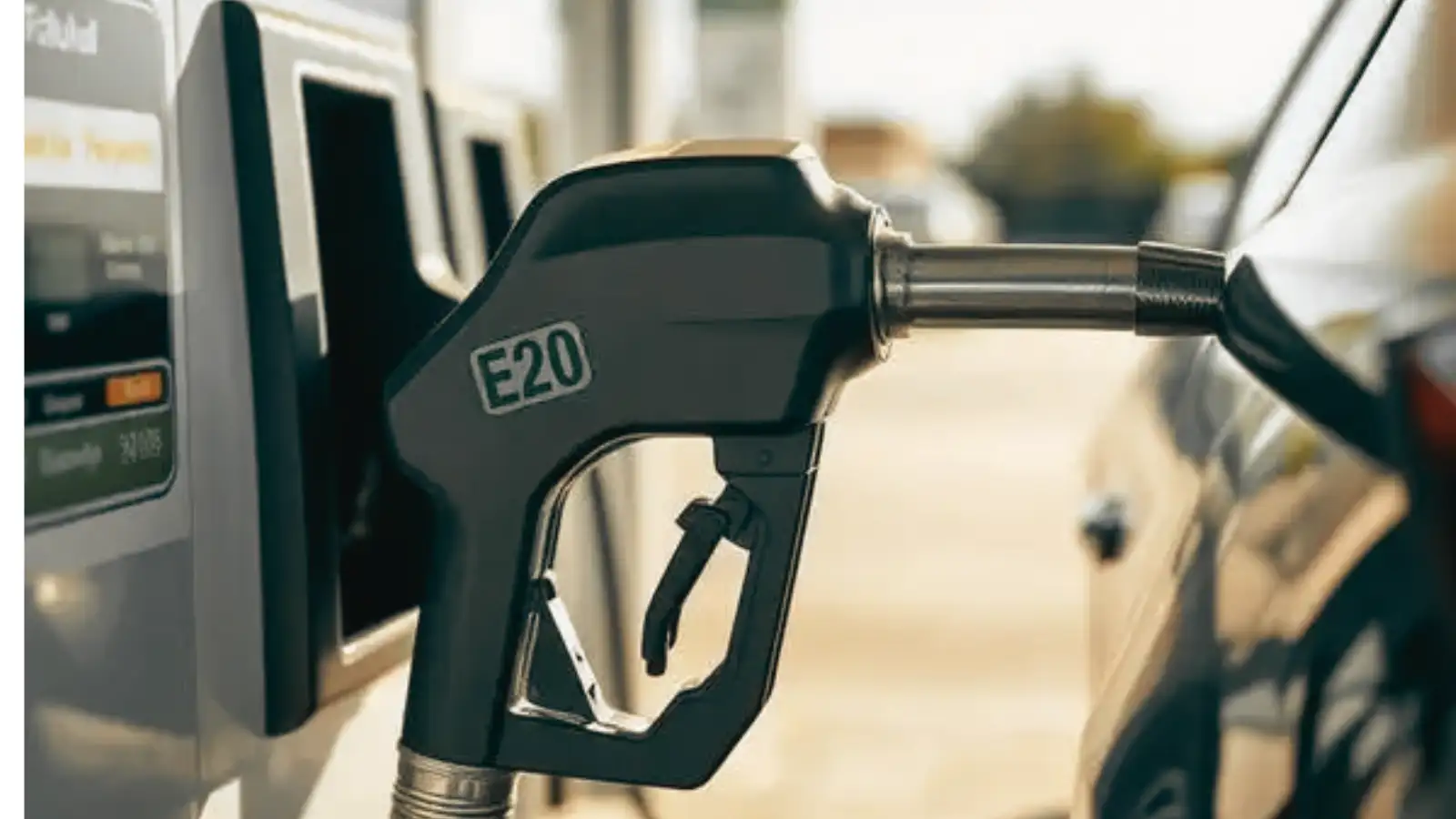
The clip has led many users to believe that the ants are attracted by the ethanol content in the fuel. However, BPCL has dismissed the claim, stating that there is no scientific evidence linking E20 petrol with insect attraction.
Fuel-grade ethanol used for petrol blending is produced through fermentation and distillation processes that eliminate residual sugars from the final product. Further, fuel ethanol contains denaturants, which are repellent to insects.
Upon blending, the characteristic hydrocarbon odour of petrol remains dominant over any inherent ethanol odour.
In addition, ethanol-blended petrol exhibits lower fuel vapour formation compared to conventional petrol. As a result, there is no identifiable attractant associated with E20 fuel that would cause ants or other insects to congregate around vehicle fuel caps.
Therefore, claims suggesting a link between E20 fuel and ant attraction have no scientific basis.
The claims being circulated on social media are baseless and are not supported by scientific evidence."
Under the Ethanol Blended Petrol (EBP) Programme, India mixes ethanol with petrol to reduce crude oil imports, lower carbon emissions, and improve energy security. The country has already achieved its E10 target, under which petrol contains 10% ethanol. It is now moving toward wider adoption of E20 fuel as part of its clean energy transition strategy.
By increasing ethanol blending, the government aims to reduce dependence on imported fossil fuels, support domestic agriculture, and cut greenhouse gas emissions. According to government estimates, a successful nationwide E20 programme could help India save nearly $4 billion (around Rs 30,000 crore) annually in foreign exchange.
The clip has led many users to believe that the ants are attracted by the ethanol content in the fuel. However, BPCL has dismissed the claim, stating that there is no scientific evidence linking E20 petrol with insect attraction.
Ants in Fuel Filler
The short clip circulating on social media shows a colony of ants near the fuel filler cap of a car. It is worth mentioning that the video does not show the entire vehicle. However, it specifically shows the E20 fuel sticker on the lid, indicating that the car is compatible with ethanol-blended fuel. While the origin of the video is not known, it has been widely circulated, with social media users believing the claim and further disseminating the information.BPCL’s Clarification
Addressing the claim, Bharat Petroleum Corporation Limited has issued a clarification, saying, "BPCL has examined the claims circulating on social media regarding ants congregating around vehicle fuel filler caps and their alleged association with E20 petrol.Fuel-grade ethanol used for petrol blending is produced through fermentation and distillation processes that eliminate residual sugars from the final product. Further, fuel ethanol contains denaturants, which are repellent to insects.
You may also like
- Union Minister reviews power sector, urban schemes with Jharkhand Govt
- Jeevan Pramaan to face authentication: Govt highlights 12 years of pension reforms
- Gaming industry layoffs top 3,700 globally in 2026 so far: Report
- Stock market today: Sensex closes over 600 points down, Nifty50 above 24,000 - not just IT stocks, HDFC Bank & RIL also drag down indices
- 10 lakh talent shortfall in global chip sector opens opportunity for India: Minister
Upon blending, the characteristic hydrocarbon odour of petrol remains dominant over any inherent ethanol odour.
In addition, ethanol-blended petrol exhibits lower fuel vapour formation compared to conventional petrol. As a result, there is no identifiable attractant associated with E20 fuel that would cause ants or other insects to congregate around vehicle fuel caps.
Therefore, claims suggesting a link between E20 fuel and ant attraction have no scientific basis.
The claims being circulated on social media are baseless and are not supported by scientific evidence."
What Is Ethanol Blending ?
Ethanol, or ethyl alcohol (C₂H₅OH), is a biofuel produced by fermenting sugars obtained from sugarcane, maize, and other agricultural feedstocks.Under the Ethanol Blended Petrol (EBP) Programme, India mixes ethanol with petrol to reduce crude oil imports, lower carbon emissions, and improve energy security. The country has already achieved its E10 target, under which petrol contains 10% ethanol. It is now moving toward wider adoption of E20 fuel as part of its clean energy transition strategy.
Why Is India Increasing Ethanol Blending?
India is one of the world's largest importers of crude oil. During 2020-21, the country imported around 185 million tonnes of petroleum products at a cost of approximately $55 billion.By increasing ethanol blending, the government aims to reduce dependence on imported fossil fuels, support domestic agriculture, and cut greenhouse gas emissions. According to government estimates, a successful nationwide E20 programme could help India save nearly $4 billion (around Rs 30,000 crore) annually in foreign exchange.






More from our partners


Loving Newspoint? Download the app now
