
Centre Waives Excise Duty on E22–E30 Petrol, Signals Push Beyond E20 Ethanol Blending

The central government has exempted petrol blended with higher levels of ethanol from excise duty, extending tax support beyond the current E20 standard.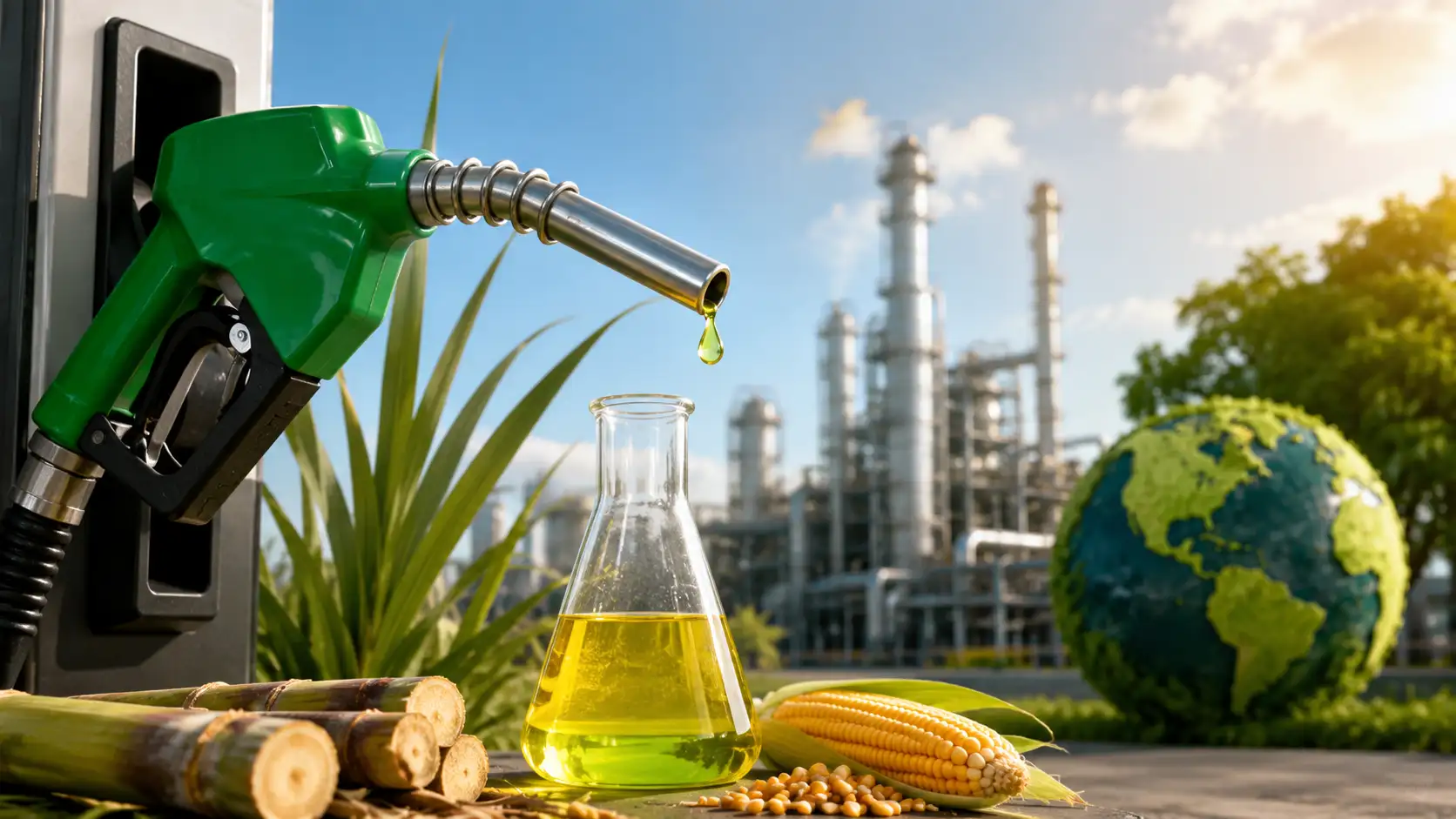
According to a government notification, petrol containing 22 per cent to 30 per cent ethanol will not attract excise duty. The exemption covers fuel variants such as E22, E25, E27 and E30, marking the first major fiscal incentive for ethanol blends above E20.
The decision comes as India steadily expands its biofuel programme to reduce dependence on imported crude oil and promote cleaner, domestically produced energy.
The latest tax exemption may appear technical, but it carries a broader message. For years, India's ethanol blending programme focused on achieving the E20 target. That goal is now within reach. The government's latest move suggests policymakers are already preparing the groundwork for what comes next.
Under the notifications, E22 fuel will comprise 78% petrol and 22% ethanol, while E25, E27 and E30 fuels will contain 25%, 27% and 30% ethanol respectively. The exemptions apply where appropriate duties have been paid on motor spirit and applicable GST has been paid on ethanol used in the blend.
The amendments have been made to Notification No. 11/2017-Central Excise and Notification No. 28/2002-Central Excise, while separate notifications also exempt these higher blends from additional excise duties and road and infrastructure cess.
The government has repeatedly indicated that it intends to raise blending levels further after achieving the E20 milestone, although a formal roadmap for E25 or E30 adoption is yet to be announced.
India is currently implementing E20 fuel adoption nationwide, while industry bodies and biofuel manufacturers have increasingly advocated movement towards E22 and higher blends, citing surplus ethanol availability and the need to reduce oil import dependence.
The move comes as the country grapples with a crude supply squeeze and volatile prices triggered by the West Asia war, especially the closure of the Strait of Hormuz waterway, through which 20% of the world's oil supply passes.
Such a move would also likely raise ethanol production capacity utilization from the current 50%.
According to a government notification, petrol containing 22 per cent to 30 per cent ethanol will not attract excise duty. The exemption covers fuel variants such as E22, E25, E27 and E30, marking the first major fiscal incentive for ethanol blends above E20.
The decision comes as India steadily expands its biofuel programme to reduce dependence on imported crude oil and promote cleaner, domestically produced energy.
The latest tax exemption may appear technical, but it carries a broader message. For years, India's ethanol blending programme focused on achieving the E20 target. That goal is now within reach. The government's latest move suggests policymakers are already preparing the groundwork for what comes next.
Beyond E20
The move comes as India has already achieved its target of 20% ethanol blending in petrol ahead of schedule and is exploring higher blending levels to reduce crude oil imports, cut carbon emissions and boost demand for domestically produced biofuels.You may also like
- Wipro Rs 15,000 crore buyback opens - what it means for retail investors
- Anti-NVIDIA data center start-up reaches $1.5B valuation
- Rajesh Exports shares hit lower circuit for 6th straight session
- Punjab Tragedy: Jalandhar Doctor Found Dead At Home; Family Alleges Assault, Affair & Fraudulent Loans By Estranged Husband
- Boost for litchi exports! Assam's GI-tagged Tezpur litchi reaches Dubai, Singapore in first shipment
Under the notifications, E22 fuel will comprise 78% petrol and 22% ethanol, while E25, E27 and E30 fuels will contain 25%, 27% and 30% ethanol respectively. The exemptions apply where appropriate duties have been paid on motor spirit and applicable GST has been paid on ethanol used in the blend.
The amendments have been made to Notification No. 11/2017-Central Excise and Notification No. 28/2002-Central Excise, while separate notifications also exempt these higher blends from additional excise duties and road and infrastructure cess.
Technical groundwork
India's ethanol blending programme has expanded rapidly in recent years, with ethanol procurement by oil marketing companies rising sharply on the back of increased production from sugarcane-based and grain-based distilleries.The government has repeatedly indicated that it intends to raise blending levels further after achieving the E20 milestone, although a formal roadmap for E25 or E30 adoption is yet to be announced.
India is currently implementing E20 fuel adoption nationwide, while industry bodies and biofuel manufacturers have increasingly advocated movement towards E22 and higher blends, citing surplus ethanol availability and the need to reduce oil import dependence.
The move comes as the country grapples with a crude supply squeeze and volatile prices triggered by the West Asia war, especially the closure of the Strait of Hormuz waterway, through which 20% of the world's oil supply passes.
Such a move would also likely raise ethanol production capacity utilization from the current 50%.






More from our partners


Loving Newspoint? Download the app now
