
Credit Card Usage Tips: Where to Use Your Card and Avoid Extra Fees

Credit card usage tips can help you make the most of your card without falling into unnecessary fees or debt. Credit cards can offer rewards, cashback and help build a healthy CIBIL score when used responsibly. However, careless spending, cash withdrawals and avoidable transaction charges can quickly increase your financial burden. Here are some important things to keep in mind before using your credit card.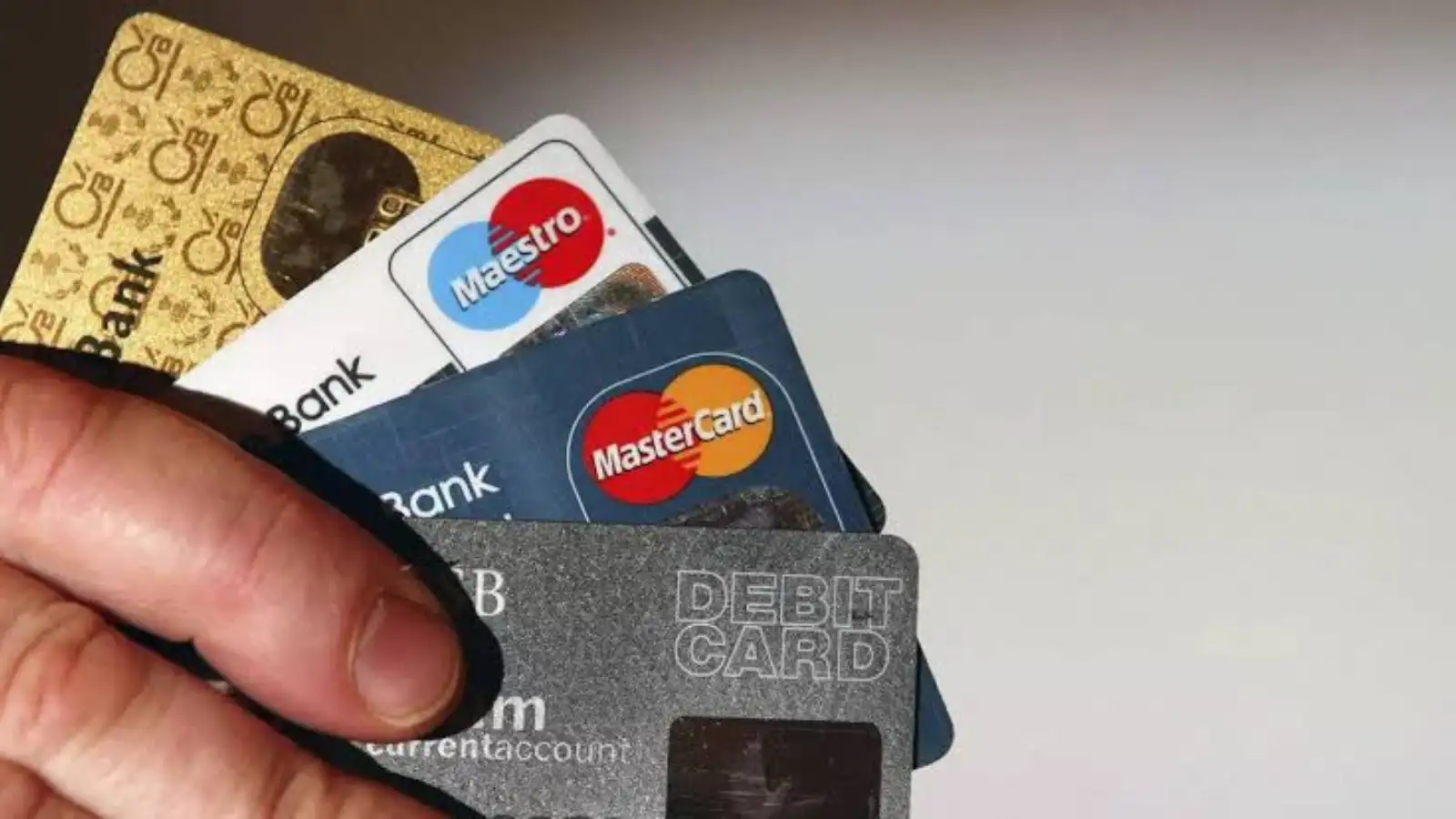
The bigger concern is interest. Unlike regular purchases, cash advances usually do not come with an interest-free period. Interest can start accumulating from the day you withdraw the money, and the applicable rate can be considerably high.
So, if you need cash, explore lower-cost alternatives before using your credit card at an ATM.
Whether you use platforms such as Paytm, PhonePe, Google Pay or Amazon Pay, check your card's latest fee structure before transferring money from your credit card.
Repeatedly using a credit card for wallet loading can turn a seemingly convenient payment method into an expensive habit.
If you have other payment options available, compare the final amount before completing the booking. UPI or net banking may sometimes be more economical, depending on the payment option offered at the time of booking.
Before using your card at petrol pumps, understand the surcharge waiver rules associated with your card. It is also wise to remain alert while making card payments at fuel stations, as card skimming and other payment-security risks can occur.
Banks may charge processing fees, taxes or other applicable charges for balance transfers. If the new repayment terms are not favourable, your overall cost of borrowing may remain high or even increase.
Before opting for a balance transfer, compare the processing fee, interest rate, repayment period and total amount payable.
A credit card can make purchases feel affordable because payment is deferred, but the amount still has to be repaid. Carrying an unpaid balance from month to month can lead to substantial interest and make debt harder to manage.
The safest approach is to use your credit card for purchases you can comfortably repay within the applicable billing cycle.
Pay your bills on time, avoid spending beyond your repayment capacity and review your card statement regularly. Most importantly, do not treat your available credit limit as extra income.
Used wisely, a credit card can be a useful financial tool. Used without planning, it can quickly turn into a costly debt trap.
Avoid Withdrawing Cash With Your Credit Card
Using a credit card at an ATM to withdraw cash should generally be avoided unless it is an emergency. Banks may charge a cash advance fee, often around 2.5% to 3% of the withdrawn amount.The bigger concern is interest. Unlike regular purchases, cash advances usually do not come with an interest-free period. Interest can start accumulating from the day you withdraw the money, and the applicable rate can be considerably high.
So, if you need cash, explore lower-cost alternatives before using your credit card at an ATM.
Be Careful When Loading Money Into Digital Wallets
Credit cards may offer a convenient way to add money to digital wallets, but frequent wallet loading can result in additional charges and GST, depending on the card issuer and transaction.Whether you use platforms such as Paytm, PhonePe, Google Pay or Amazon Pay, check your card's latest fee structure before transferring money from your credit card.
Repeatedly using a credit card for wallet loading can turn a seemingly convenient payment method into an expensive habit.
Check Charges Before Booking Train Tickets
Using a credit card to book railway tickets through IRCTC can involve additional payment-related charges. Depending on the payment method and card, you may have to pay a payment gateway or transaction fee along with applicable taxes.If you have other payment options available, compare the final amount before completing the booking. UPI or net banking may sometimes be more economical, depending on the payment option offered at the time of booking.
Understand Credit Card Charges at Petrol Pumps
Paying for fuel with a credit card can attract a fuel surcharge and applicable taxes. Some credit cards provide a fuel surcharge waiver, but these cards may have specific conditions, transaction limits or other fees.Before using your card at petrol pumps, understand the surcharge waiver rules associated with your card. It is also wise to remain alert while making card payments at fuel stations, as card skimming and other payment-security risks can occur.
Think Twice Before Transferring Your Credit Card Balance
A balance transfer can appear to be an easy way to move outstanding credit card debt from one card to another. However, it is not automatically a cheaper option.Banks may charge processing fees, taxes or other applicable charges for balance transfers. If the new repayment terms are not favourable, your overall cost of borrowing may remain high or even increase.
Before opting for a balance transfer, compare the processing fee, interest rate, repayment period and total amount payable.
You may also like
- Gurugram EV Buyers Get 100% Motor Tax Waiver On Vehicles Up To ₹30 Lakh Under New Haryana Policy
- Eid-e-Milad 2026: Savoury Dishes To Try On The Auspicious Occasion Of Milad-Un-Nabi
- WATCH: Viral Video Shows Stray Dog Biting Woman Carrying Toddler In Pune; Child Falls During Attack
- Trump Tightens Pressure On Iran, Here's Why India's Basmati Rice Trade Could Pay The Price
- Bloomberg India to expand premium business and market coverage launched
Avoid New Credit Card Debt When You Already Have Heavy EMIs
If you are already paying a personal loan, home loan or multiple EMIs, be especially cautious about taking on additional credit card debt.A credit card can make purchases feel affordable because payment is deferred, but the amount still has to be repaid. Carrying an unpaid balance from month to month can lead to substantial interest and make debt harder to manage.
The safest approach is to use your credit card for purchases you can comfortably repay within the applicable billing cycle.
Credit Card Usage Tips To Stay Financially Safe
Responsible credit card use is less about avoiding cards altogether and more about understanding their costs. Before making a transaction, check whether it attracts a surcharge, processing fee, cash advance fee or other additional charge.Pay your bills on time, avoid spending beyond your repayment capacity and review your card statement regularly. Most importantly, do not treat your available credit limit as extra income.
Used wisely, a credit card can be a useful financial tool. Used without planning, it can quickly turn into a costly debt trap.






Loving Newspoint? Download the app now
