
Digital Ration Distribution: How e-PoS Machines Make the Public Distribution System More Transparent

The Digital Ration Distribution system is helping modernise how subsidised food grains are provided to eligible households in India. Through electronic Point of Sale (e-PoS) machines installed at Fair Price Shops, ration distribution details can be recorded digitally, beneficiary identities can be verified and transactions can be monitored more efficiently. These machines are designed to improve record-keeping and reduce the chances of irregularities in the Public Distribution System (PDS). Here is how e-PoS technology works, its key benefits for ration card holders and its role in making ration distribution more accessible.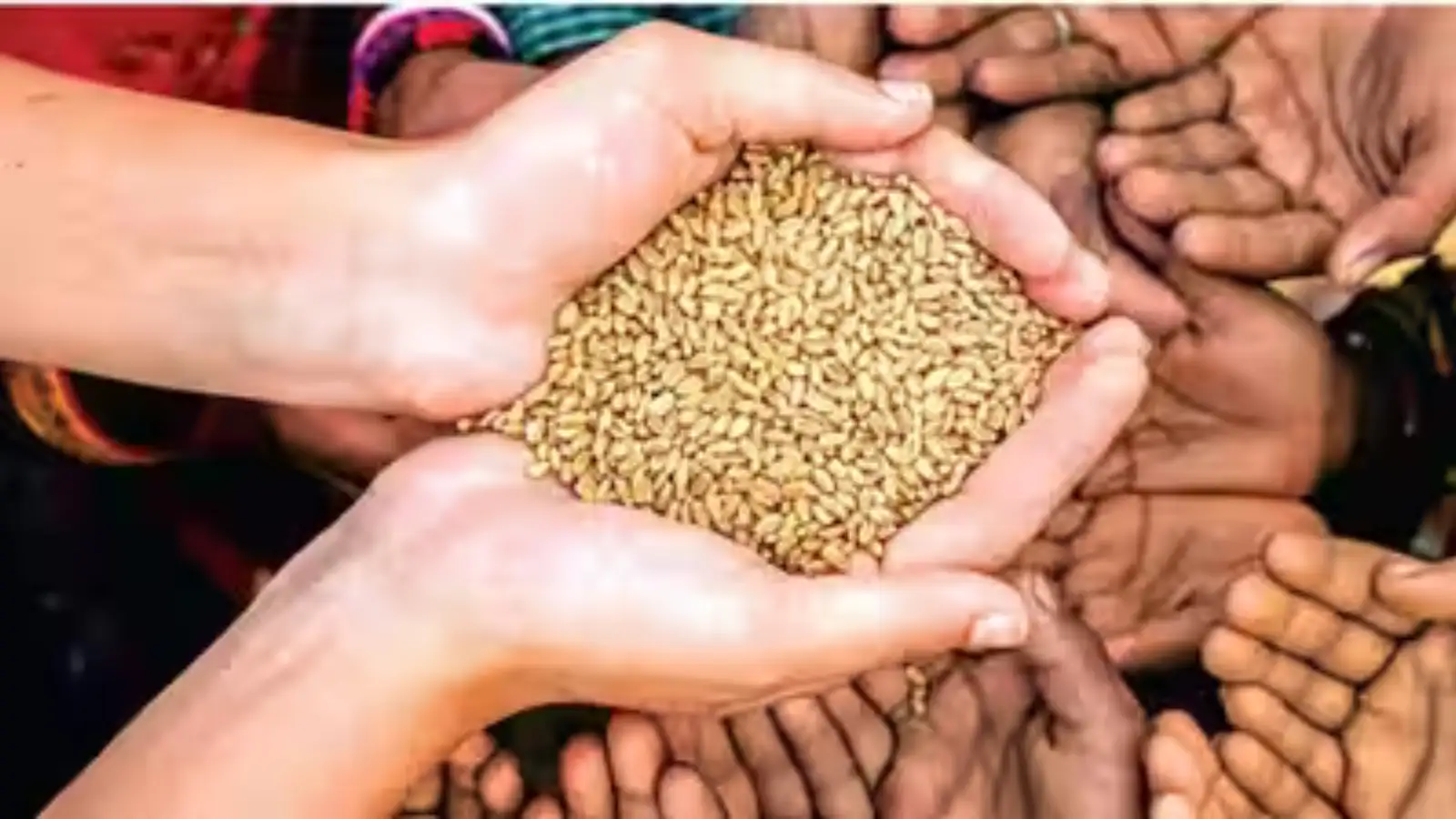
When a ration card holder visits a Fair Price Shop to collect their entitled ration, the dealer follows the prescribed beneficiary verification process. Depending on the system and applicable state rules, this may involve Aadhaar-based authentication or another permitted method.
Once the transaction is completed, the machine records relevant details, including the quantity of ration distributed. These digital entries help authorities monitor transactions and check whether beneficiaries are receiving their entitled food grains.
Digital record-keeping can also reduce dependence on handwritten registers and make the monitoring process more organised.
However, authentication may not always succeed because of technical issues or biometric mismatches. Alternative verification methods, where permitted, depend on the applicable government guidelines. Eligible beneficiaries should not assume that a failed biometric authentication automatically means they cannot receive their ration.
Although digital systems can improve oversight, they do not automatically eliminate every problem. Regular monitoring, proper implementation and an effective grievance redressal process remain important.
This facility can be particularly useful for migrant workers and families who move to another city or state for employment. They may be able to access their food grain entitlement without having to return to the location where their ration card was originally issued.
Beneficiaries should check their transaction details, retain any receipt or acknowledgement provided and report discrepancies through official channels.
The term Sarthak PDS is associated with efforts discussed in the context of improving the Public Distribution System. However, the specific features, implementation status and operational details of any initiative under this name should be confirmed through official government notifications or the relevant department before drawing conclusions about its scope.
For ration card holders, the most important step is to follow official instructions issued by their state or Union Territory's food and civil supplies department.
For beneficiaries, understanding the verification process, checking transaction details and knowing how to report discrepancies can help them access their entitled ration more effectively. While technology can strengthen transparency and accountability, its success also depends on reliable infrastructure, clear procedures and timely resolution of complaints.
What Is an e-PoS Machine in the Ration Distribution System?
An e-PoS machine is an electronic device used at authorised ration shops to verify beneficiaries and record the distribution of food grains. It helps maintain digital records instead of relying entirely on manual entries.When a ration card holder visits a Fair Price Shop to collect their entitled ration, the dealer follows the prescribed beneficiary verification process. Depending on the system and applicable state rules, this may involve Aadhaar-based authentication or another permitted method.
Once the transaction is completed, the machine records relevant details, including the quantity of ration distributed. These digital entries help authorities monitor transactions and check whether beneficiaries are receiving their entitled food grains.
5 Key Benefits of e-PoS Machines for Ration Card Holders
1. Digital Records of Ration Distribution
One of the main advantages of e-PoS machines is that they create digital records of ration transactions. This makes it easier for the authorities to track how much food grain has been distributed and identify discrepancies that may require investigation.Digital record-keeping can also reduce dependence on handwritten registers and make the monitoring process more organised.
2. Beneficiary Identity Verification
e-PoS machines support identity verification for eligible ration card holders. Where Aadhaar-based biometric authentication is used, the system can help confirm the beneficiary's identity before the ration is issued.However, authentication may not always succeed because of technical issues or biometric mismatches. Alternative verification methods, where permitted, depend on the applicable government guidelines. Eligible beneficiaries should not assume that a failed biometric authentication automatically means they cannot receive their ration.
3. Better Monitoring and Accountability
Recording ration transactions electronically helps officials review distribution patterns and investigate suspected irregularities. Authorities can use these records to check whether the quantity issued matches the transaction details.Although digital systems can improve oversight, they do not automatically eliminate every problem. Regular monitoring, proper implementation and an effective grievance redressal process remain important.
4. Support for the One Nation, One Ration Card Scheme
The e-PoS-based system supports the implementation of the One Nation, One Ration Card (ONORC) scheme, which enables eligible beneficiaries to collect their entitled food grains from a Fair Price Shop outside their home location, subject to scheme rules and operational availability.This facility can be particularly useful for migrant workers and families who move to another city or state for employment. They may be able to access their food grain entitlement without having to return to the location where their ration card was originally issued.
5. Easier Access to Transaction Information and Complaints
Digital records can help authorities verify ration distribution details when a beneficiary raises a concern. If a ration card holder believes they have received less than their entitled quantity, they can follow the prescribed complaint process through the relevant state food department or designated grievance channel.Beneficiaries should check their transaction details, retain any receipt or acknowledgement provided and report discrepancies through official channels.
How Does Digital Ration Distribution Work?
The process generally involves a few steps, although the exact procedure may differ across states and Union Territories.- Visit an authorised ration shop: The beneficiary goes to a Fair Price Shop to collect the ration available under their entitlement.
- Complete verification: The dealer verifies the beneficiary using the prescribed authentication method.
- Record the transaction: The e-PoS machine captures the details of the ration issued.
- Update distribution records: The transaction is recorded digitally, allowing the relevant authorities to monitor the distribution process.
What Is Sarthak PDS?
The Public Distribution System (PDS) is the government mechanism through which eligible households receive food grains under applicable food security schemes. Improving its efficiency involves a combination of technology, administrative oversight and beneficiary support.The term Sarthak PDS is associated with efforts discussed in the context of improving the Public Distribution System. However, the specific features, implementation status and operational details of any initiative under this name should be confirmed through official government notifications or the relevant department before drawing conclusions about its scope.
For ration card holders, the most important step is to follow official instructions issued by their state or Union Territory's food and civil supplies department.
What Should Ration Card Holders Do If There Is a Problem?
If your e-PoS transaction fails, your ration details appear incorrect or you receive less than your entitled quantity, consider these steps:- Ask the ration dealer for the transaction details or receipt, where available.
- Check your entitlement and distribution information through the official channel provided by your state.
- If biometric authentication fails, ask about the alternative verification procedure permitted under the applicable rules.
- Submit a complaint through your state food department's official grievance mechanism if the issue remains unresolved.
- Keep any relevant transaction details or complaint reference number for future follow-up.
How e-PoS Machines Are Changing Ration Distribution in India
Digital technology is making ration distribution records easier to maintain and review. By supporting beneficiary verification, electronic transaction records and the portability of ration entitlements, e-PoS machines play an important role in the modernisation of India's Public Distribution System.For beneficiaries, understanding the verification process, checking transaction details and knowing how to report discrepancies can help them access their entitled ration more effectively. While technology can strengthen transparency and accountability, its success also depends on reliable infrastructure, clear procedures and timely resolution of complaints.
Next Story