Global LNG Supply Disruption Raises Concerns Over Energy Prices

The ongoing tensions in the Middle East are beginning to affect global energy markets. Recent disruptions have reduced the supply of liquefied natural gas, commonly known as Liquefied Natural Gas, creating concerns about rising prices and tighter availability across different regions.
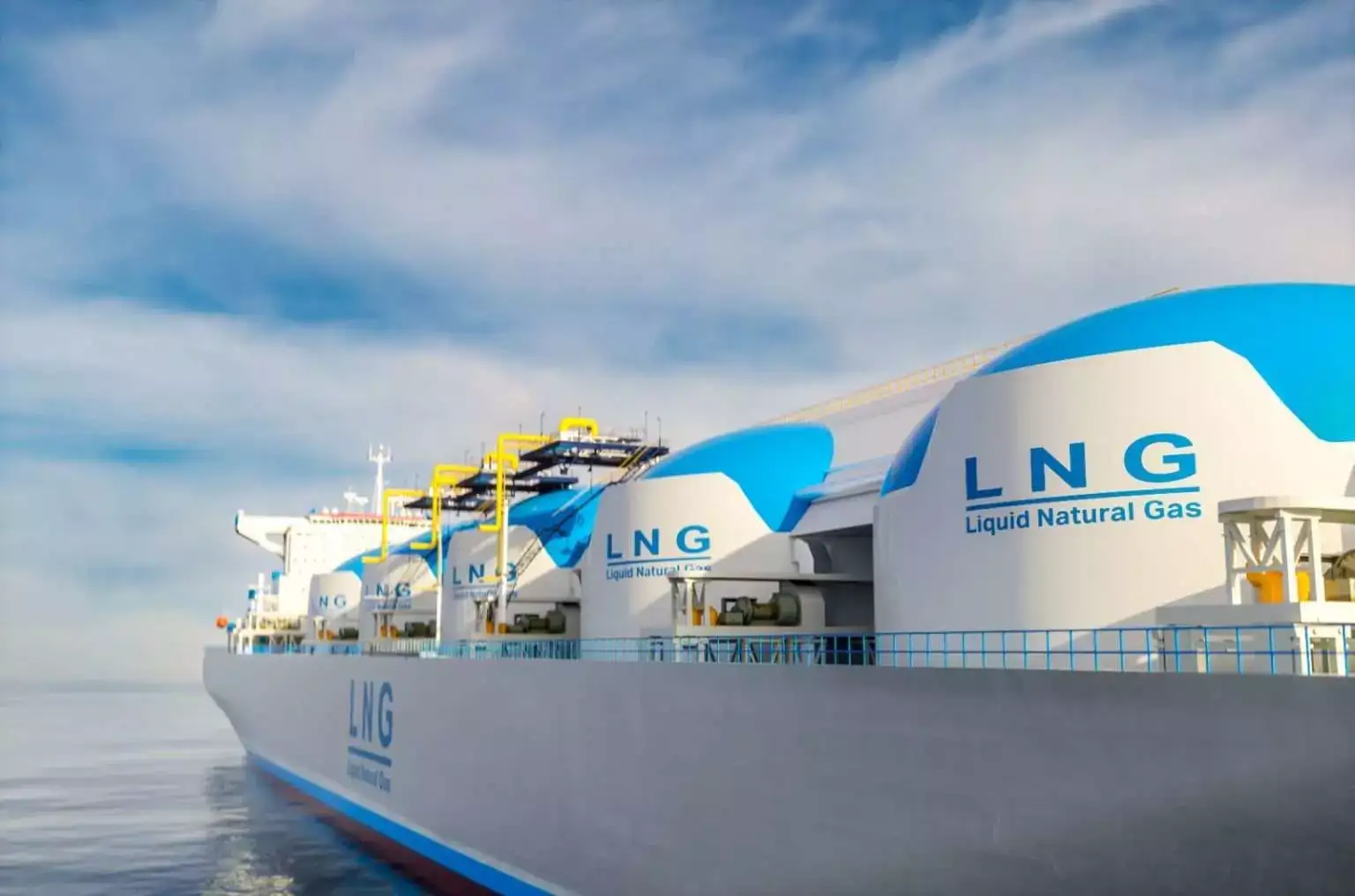
Energy analysts say the situation could impact both Europe and Asia as countries compete to secure LNG shipments to meet their energy needs.
LNG Supply Disruptions Begin to Impact Markets
The crisis began after operations were halted at Ras Laffan Industrial City in Qatar, which is considered one of the world’s largest LNG export hubs. At the same time, shipping traffic has been affected in the Strait of Hormuz, a vital route for global energy transport.
Experts say that for every day shipments remain blocked, several LNG cargoes from Qatar effectively disappear from the global market. A smaller LNG export facility in Abu Dhabi has also been unable to dispatch shipments due to the disruption. Together, these issues are estimated to affect nearly 20 percent of the global LNG supply.
Limited Alternatives to Replace Supply
Energy analysts warn that if the situation continues for several months, global supply may struggle to keep up with demand. According to analyst Matthew Utting, there are limited alternative sources available to quickly replace the missing supply.
Major LNG producing nations such as the United States and Australia are already operating their facilities at near full capacity. This means there is little room to increase production immediately to compensate for the current shortage.
A major LNG project in Texas known as Golden Pass LNG Terminal is nearing completion. However, it has not yet started operations and is unlikely to provide immediate relief to the market.
Europe and Asia Compete for Supply
The disruption comes at a crucial time for European countries that need to refill gas storage ahead of the winter season. With storage levels running low in some areas, securing additional LNG cargoes has become a priority.
At the same time, several Asian countries are also increasing their demand for energy. Warmer temperatures expected in parts of Asia could drive higher electricity consumption as air conditioning use rises in the coming months.
Energy analysts say the situation could impact both Europe and Asia as countries compete to secure LNG shipments to meet their energy needs.
LNG Supply Disruptions Begin to Impact Markets
The crisis began after operations were halted at Ras Laffan Industrial City in Qatar, which is considered one of the world’s largest LNG export hubs. At the same time, shipping traffic has been affected in the Strait of Hormuz, a vital route for global energy transport.Experts say that for every day shipments remain blocked, several LNG cargoes from Qatar effectively disappear from the global market. A smaller LNG export facility in Abu Dhabi has also been unable to dispatch shipments due to the disruption. Together, these issues are estimated to affect nearly 20 percent of the global LNG supply.
Limited Alternatives to Replace Supply
Energy analysts warn that if the situation continues for several months, global supply may struggle to keep up with demand. According to analyst Matthew Utting, there are limited alternative sources available to quickly replace the missing supply.Major LNG producing nations such as the United States and Australia are already operating their facilities at near full capacity. This means there is little room to increase production immediately to compensate for the current shortage.
A major LNG project in Texas known as Golden Pass LNG Terminal is nearing completion. However, it has not yet started operations and is unlikely to provide immediate relief to the market.
Europe and Asia Compete for Supply
The disruption comes at a crucial time for European countries that need to refill gas storage ahead of the winter season. With storage levels running low in some areas, securing additional LNG cargoes has become a priority. At the same time, several Asian countries are also increasing their demand for energy. Warmer temperatures expected in parts of Asia could drive higher electricity consumption as air conditioning use rises in the coming months.
Next Story