
India has optimised the order. It hasn't yet optimised how it treats the person behind it


India’s app-based delivery ecosystem, from doorstep meals to grocery deliveries in minutes, has transformed the way people experience everyday convenience. But behind each order is a brief but important interaction between a customer and a delivery partner that can often define the experience on both ends.
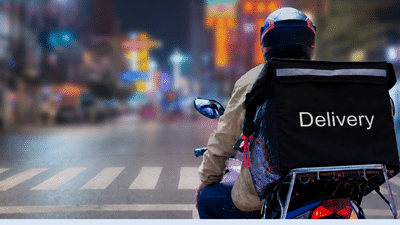
Delivery partners are the most evident faces of India’s online and gig economy , as digital platforms increasingly pervade everyday life. They are there during the morning rush, the late-night order, the festival season, critical cricket moments and all points in-between when consumers need quick access and convenience.
But with technology making ordering so seamless, the human interaction at the doorstep has often been reduced to a transactional exchange - a handover, a confirmation and the door closed.
In the rush for speed and efficiency, the little acknowledgements, courtesy and appreciations that happen between consumers and delivery partners can sometimes get overlooked. Alpenliebe’s India’s Sweetness Report, a survey conducted with nearly 28,000 delivery partners across India, highlighted this gap in everyday interactions. The report found that nearly two in five riders rated their customer experiences below average, while one in four deliveries ended without a greeting or acknowledgement from the customer, pointing towards an opportunity to make these everyday exchanges warmer and more meaningful. The report also includes city-wise insights into consumer interactions and delivery partner experiences, offering a deeper understanding of how these everyday exchanges vary across cities.
Delivery partners, across India, work in a fast-paced environment driven by delivery schedules and customer interactions. Every day is about traffic, weather, peak hour demand and different consumer expectations. Few interactions are warm and appreciative; while the majority of them can feel purely transactional, mirroring the evolving need to recognise the people behind the convenience.
The growth of quick commerce has further changed the expectations of consumers. Customers have been conditioned to expect convenience at breakneck speed with promises of faster deliveries. This has placed delivery partners at the core of a system where they are expected to provide instant access but also must cope with the realities of working on the road.
The conversation around delivery partners has also gained attention due to external challenges such as extreme weather. A recent report has highlighted the challenges faced by gig workers working in temperatures crossing 45 degrees, bringing attention to safety measures, working conditions and the need for sustainable work practices in the sector1.
Besides the operational challenges, the delivery partners’ perception and interaction with consumers also affect the delivery experience. Delivery partners are the only human point of contact between a platform and a customer, hence they shape the overall brand experience. A simple sign of patience, a thank you or recognition, can turn a routine transaction into a more positive humane interaction.
This change in perspective is becoming increasingly relevant as India’s delivery ecosystem expands beyond the metros. Growing in importance are smaller towns and emerging markets, which bring a diverse set of consumer behaviours and expectations into the ecosystem. As adoption grows, creating respectful and positive interactions will become an important part of building a sustainable delivery culture.
Platforms have also been working towards strengthening the delivery ecosystem through initiatives around partner support, safety programmes, insurance coverage, training, and improved communication mechanisms. These initiatives demonstrate the growing recognition that the future of delivery is not just about faster fulfillment, but about creating better experiences for everyone involved.
Delivery partners are the most evident faces of India’s online and gig economy , as digital platforms increasingly pervade everyday life. They are there during the morning rush, the late-night order, the festival season, critical cricket moments and all points in-between when consumers need quick access and convenience.
But with technology making ordering so seamless, the human interaction at the doorstep has often been reduced to a transactional exchange - a handover, a confirmation and the door closed.
In the rush for speed and efficiency, the little acknowledgements, courtesy and appreciations that happen between consumers and delivery partners can sometimes get overlooked. Alpenliebe’s India’s Sweetness Report, a survey conducted with nearly 28,000 delivery partners across India, highlighted this gap in everyday interactions. The report found that nearly two in five riders rated their customer experiences below average, while one in four deliveries ended without a greeting or acknowledgement from the customer, pointing towards an opportunity to make these everyday exchanges warmer and more meaningful. The report also includes city-wise insights into consumer interactions and delivery partner experiences, offering a deeper understanding of how these everyday exchanges vary across cities.
Delivery partners, across India, work in a fast-paced environment driven by delivery schedules and customer interactions. Every day is about traffic, weather, peak hour demand and different consumer expectations. Few interactions are warm and appreciative; while the majority of them can feel purely transactional, mirroring the evolving need to recognise the people behind the convenience.
The growth of quick commerce has further changed the expectations of consumers. Customers have been conditioned to expect convenience at breakneck speed with promises of faster deliveries. This has placed delivery partners at the core of a system where they are expected to provide instant access but also must cope with the realities of working on the road.
The conversation around delivery partners has also gained attention due to external challenges such as extreme weather. A recent report has highlighted the challenges faced by gig workers working in temperatures crossing 45 degrees, bringing attention to safety measures, working conditions and the need for sustainable work practices in the sector1.
Besides the operational challenges, the delivery partners’ perception and interaction with consumers also affect the delivery experience. Delivery partners are the only human point of contact between a platform and a customer, hence they shape the overall brand experience. A simple sign of patience, a thank you or recognition, can turn a routine transaction into a more positive humane interaction.
This change in perspective is becoming increasingly relevant as India’s delivery ecosystem expands beyond the metros. Growing in importance are smaller towns and emerging markets, which bring a diverse set of consumer behaviours and expectations into the ecosystem. As adoption grows, creating respectful and positive interactions will become an important part of building a sustainable delivery culture.
Platforms have also been working towards strengthening the delivery ecosystem through initiatives around partner support, safety programmes, insurance coverage, training, and improved communication mechanisms. These initiatives demonstrate the growing recognition that the future of delivery is not just about faster fulfillment, but about creating better experiences for everyone involved.
Next Story